E-Paper



A California island had 5,000 feral pigs; scientists used traitor pigs with radio collars to wipe them all
Scientists sterilized wild pigs, fitted them with radio collars, and used them as spies to help wipe out 5,000 feral pigs from a California island

 Prefer HTon Google


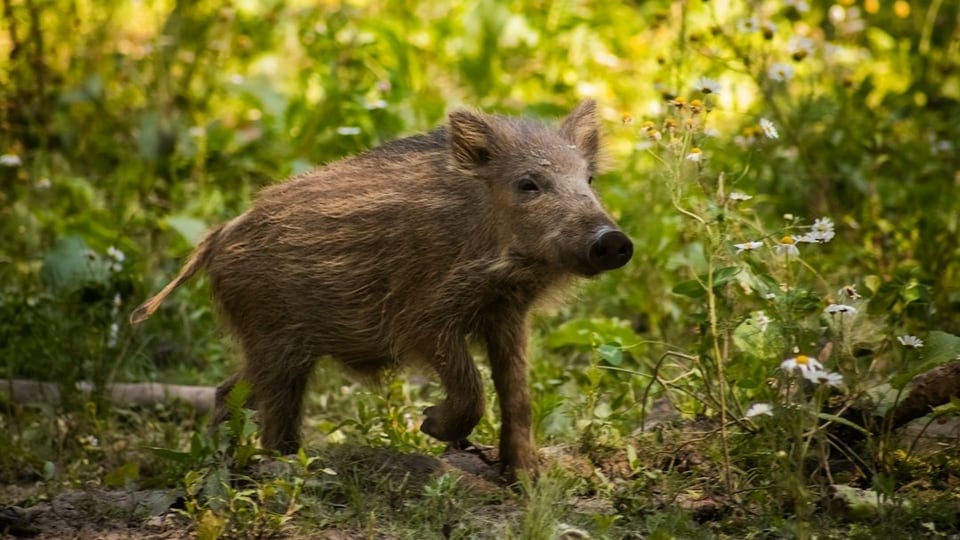
Somewhere on Santa Cruz Island off the coast of California, there was a pig that was turned loose again with a radio collar, and its only job is to lead hunters right to its own herd. It might sound fictional, but that’s roughly what happened when wildlife managers carried out one of the fastest large-scale animal eradications on record. A team led by researcher John Parkes removed 5,036 feral pigs on the 25,000-hectare island in just 411 days, according to a study published in the journal Biological Conservation. That averages out to about 12 pigs removed per day.
Why the island needed to be cleared of pigs
By the mid-1800s, pigs were introduced to Santa Cruz Island, and over more than a century they multiplied and spread to nearly every corner of the island. Their incessant digging disturbed soil containing archaeological remains dating back thousands of years and destroyed native plants that other island animals depended on, the researchers noted, since the island had no native burrowing mammals before pigs arrived.
The damage extended beyond plants and soil. Research published in the Proceedings of the National Academy of Sciences found that pigs indirectly pushed the island fox, a species found nowhere else on Earth, to the brink of extinction. Piglets were among the prey that drew golden eagles to the island in growing numbers, according to research on the same food-web collapse. Once established, the eagles began to heavily prey on the island foxes, which were much smaller, and the fox population collapsed.
Trapping, helicopters, and dogs
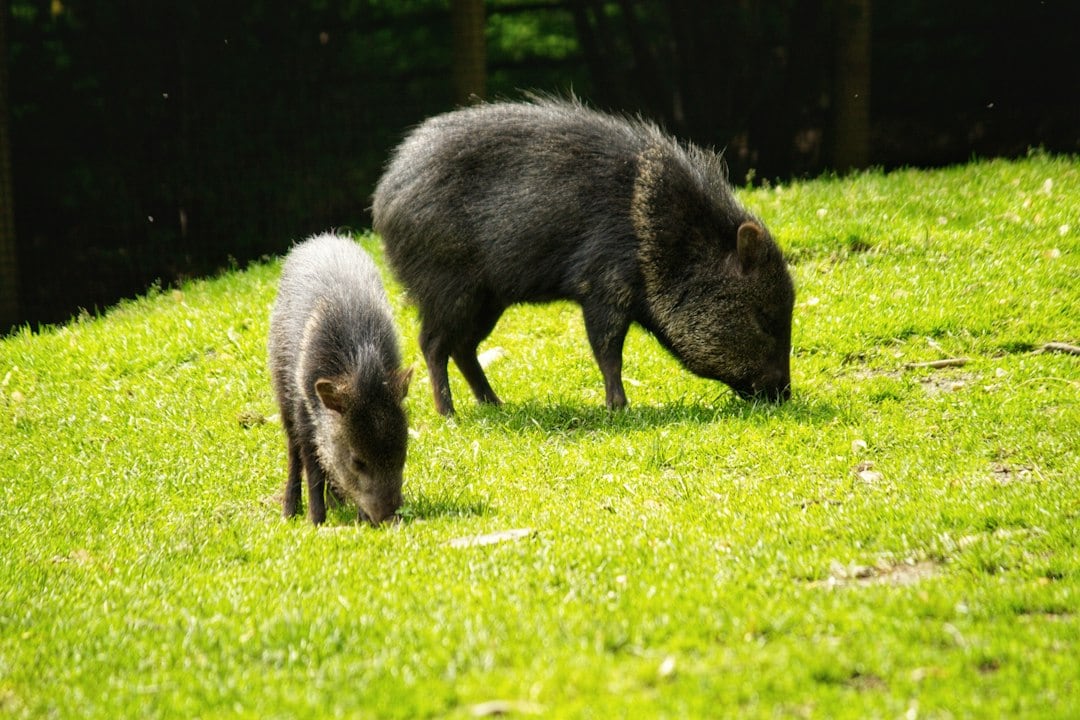
The Nature Conservancy and the National Park Service decided eradication was the best option. They hired a specialist contractor and divided the island into five fenced zones. Teams went through the same three-step sequence in each zone.
They began with cage traps, which accounted for 16 percent of the pigs removed. Next on the list was aerial shooting from helicopters, which was the single largest contributor at 77 percent of the total. Then they sent in dogs to hunt on the ground, picking off the last five percent of stubborn survivors. The order mattered, this study notes, because if the loudest, most disruptive methods had been used first, surviving pigs would have learned to avoid people altogether, making the final stretch much more difficult.
Why the traitor pigs were the real game changers
The hardest part of any eradication is not wiping out the bulk of the population. It is finding the last few animals, which quickly become experts at hiding. To find a solution, the team sterilized a group of adult pigs, fitted them with radio collars, and released them back into their old home.
These collared pigs, attracted to the company, sought out remaining wild pigs and inadvertently revealed their locations. The female collared pigs were significantly better at tracking than the males. After normal hunting had stopped, these radio-tagged informants found 43 percent of the last remaining pigs on the island.
The entire project moved about twice as fast as a similar effort on nearby Santa Rosa Island and roughly 12 times faster than a comparable pig eradication in the Galapagos Islands. It stands today as a reference point for how island conservation projects can be planned to move quickly, cut costs, and reduce animal suffering, all at once.