E-Paper



In 2005, scientists left two lizards on each of seven empty islands; four years later, all seven groups had shorter legs
In 2005, biologists left a pair of lizards on each of seven hurricane-emptied Bahamian islands. Within four years, all seven populations had shorter hind legs.

 Prefer HTon Google


In 2005, biologists left a male and female lizard on each of seven small, vacant islands in the Bahamas. Then they waited and watched. In a 2012 Science paper by Kolbe and colleagues, the researchers found that the lizards’ descendants had shorter hind legs within four years. It might sound like a small detail, but it shows how quickly life can respond when its environment changes.
Why the islands were empty
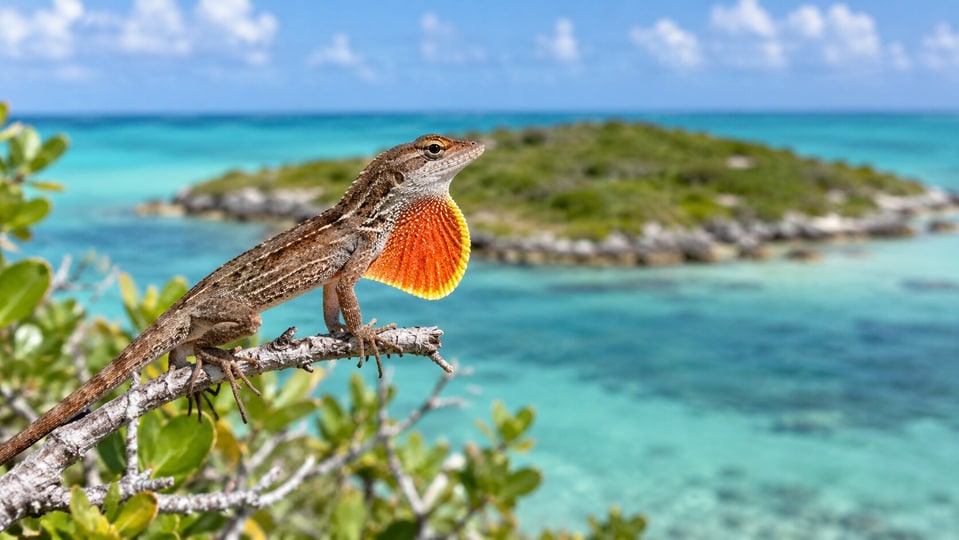
The islands weren’t empty by choice. Hurricane Frances passed over the small islands near Great Abaco in September 2004. The brown anole lizards lived there before the storm. Following that, the scientists examined seven of those islands and did not find any lizards there at all.
How the experiment worked
Pairs of brown anoles were randomly selected from a larger island close by in May 2005. These pairs were then released onto seven different islands, with one pair on each island. The vegetation in these new habitats was thinner than in the source habitat. The researchers also examined lizards in 12 islands near the experiment sites for comparison. They continued to measure limbs and take tissue for genetic testing for over four years.
What changed
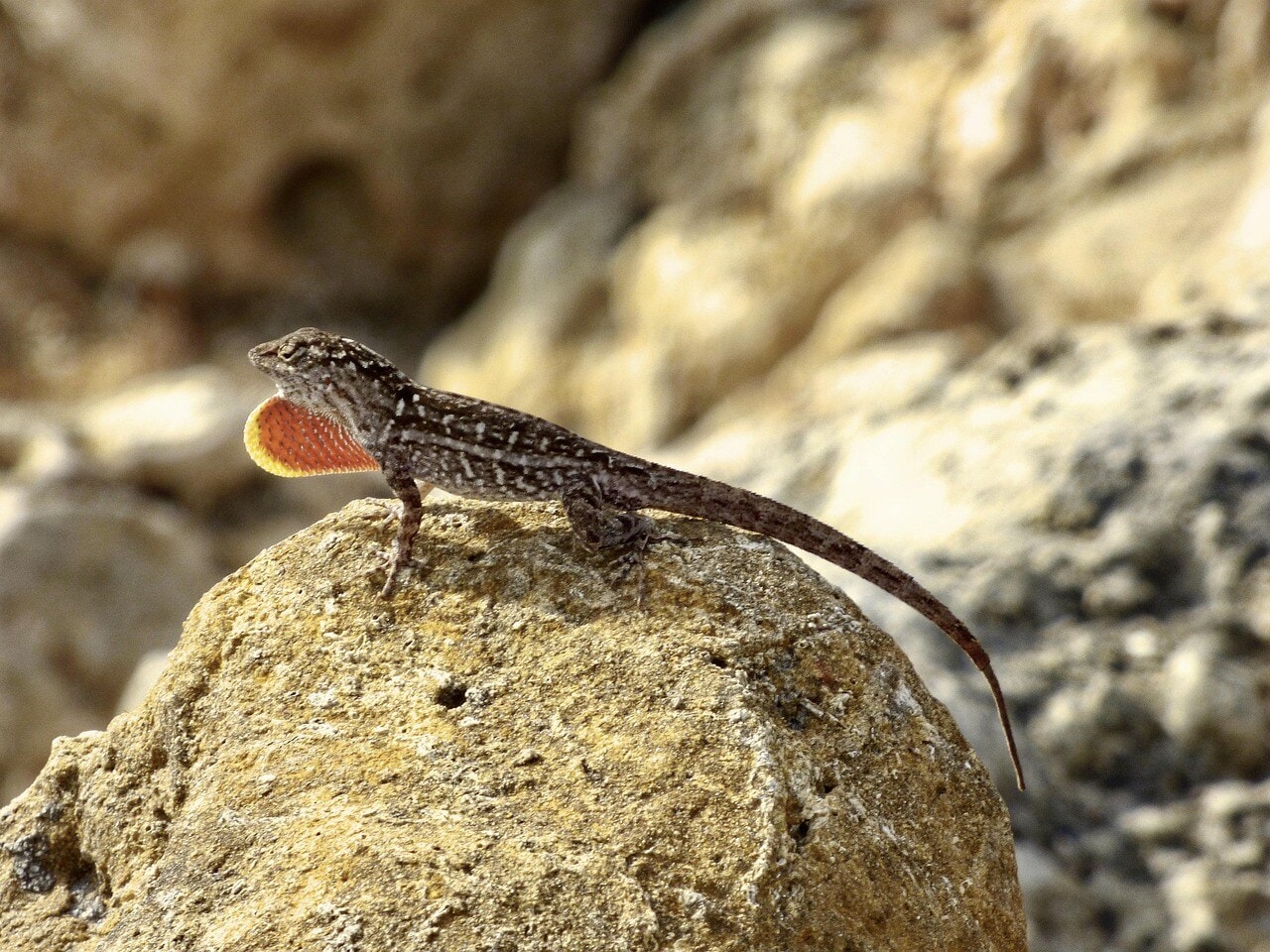
The lizards fared pretty well. On average, they increased about 13-fold in the first two years, before leveling off. However, their bodies changed. Previous studies had linked short hind legs to narrow, twiggy plants, and that’s what showed up here as well. All seven populations ended up having shorter average hind legs. This fits with natural selection. Lizards that were better suited to their environment tended to have more babies, so those traits became more common.
Chance played a part too
The islands did not have the same kinds of lizards. It is impossible to transfer all the characteristics of a large population into just two lizards. So, each island began with a slightly different mix, and this phenomenon is known as the founder effect. The team spotted it in a year. The differences in genes and leg length persisted throughout the study. Natural selection pushed every population toward shorter hind legs, but it did not erase the differences each island started with, so the populations shifted in the same direction without becoming identical. The authors found that chance and natural selection both played a role in shaping these lizards.
What the lizards can't tell us
It would be tempting to conclude that if lizards can adapt in four years, nature can cope with anything. However, this research does not prove that point. The lizards in the study had one clear challenge: the thinner vegetation. In real life, many species encounter multiple challenges simultaneously.
When wild places change, people feel it
That matters for people, too. Lawler and colleagues explored linkages between nature and health in their 2021 paper published in The Lancet Planetary Health. The paper links land-use change, intensive livestock production, wildlife trade, and climate change to diseases that jump from animals to humans. It also warned that the pandemic could intensify those drivers, creating feedback loops that could promote future outbreaks.
What we can take away from it
The lizards show that living things can adapt to a change in their environment. However, they do not show that adaptation is guaranteed or quick when pressures pile up. Lawler's team said the risk needs urgent management through conservation and a One Health approach that links human, animal and environmental health. A practical way to act on that would be to support policies that protect forests and wildlife. Nature may be flexible, but it is not endless.