
 E-Paper



Samsung Galaxy Z TriFold vs Huawei Mate XTs: Design, display, and performance compared
The Galaxy Z TriFold has finally been launched with three interconnected displays. Here’s how it compares with the Huawei Mate XTs tri-fold smartphone.

 Prefer HTon Google


You may be interested in

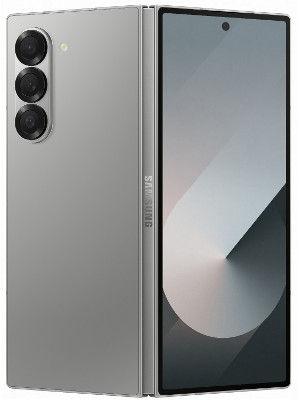


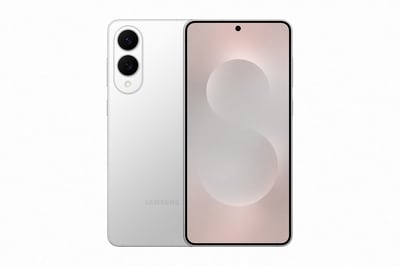

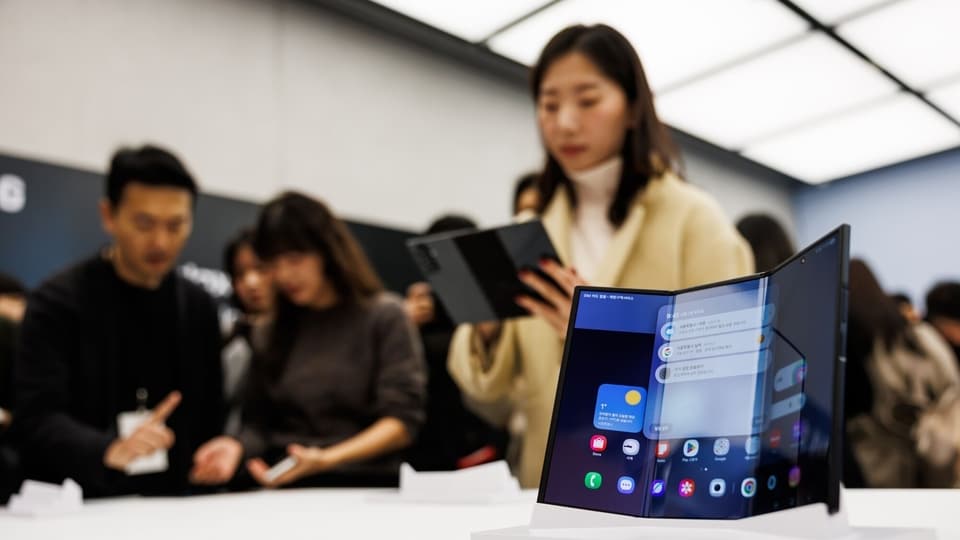
Samsung has recently unveiled its most ambitious foldable smartphone yet, the Galaxy Z TriFold. This device features two hinges and three interconnected displays, delivering a tablet-sized experience in a foldable phone form factor. Samsung positions the TriFold as a versatile device for productivity, media, and multitasking. The phone will launch first in South Korea on December 12 and will later be available in other markets, including China, Taiwan, Singapore, the UAE, and the US.

With the Galaxy Z TriFold, Samsung steps into a fiercer foldable race where every brand is pushing bold innovations. However, Huawei still leads the tri-fold game with its Mate XTs, which was launched in China on September 4, 2025. The device is powered by the Kirin 9020 and runs on HarmonyOS. Both devices target users who want large, flexible displays, multitasking capabilities, and innovative folding mechanisms. Samsung introduces a dual-hinge design with three interconnected screens, while Huawei continues refining its tri-fold approach with its proprietary hinge and durable materials.
Here is a closer look at how the latest Galaxy Z TriFold and Huawei Mate XTs compare in design, display, camera, performance, battery, and price.
Samsung Galaxy Z TriFold vs Huawei Mate XTs: Design and Build
The Samsung Galaxy Z TriFold adopts a multi-fold inward design that protects the main display. Samsung’s refined Armour FlexHinge system features two differently sized hinges with a dual-rail structure for smoother folding and minimal gaps. The titanium hinge housing and Advanced Armour Aluminium frame provide durability and stability. Samsung applies rigorous quality checks, including CT scanning and laser measurement, to ensure precise assembly. Addtinlay, the phone supports dual SIMs, IP48 dust and water resistance, and runs on Android 16-based OneUI 8.
In contrast, Huawei Mate XTs retains a tri-fold design with parallel geometric embossing for structural integrity. The device weighs 298 grams and comes in White and Purple colour options with a leather-like finish. Its Tiangong dual-track hinge system ensures smooth operation. The phone also integrates a multi-antenna design and satellite communication for maintaining connectivity in weak network areas. Mate XTs supports single, dual, and triple-screen modes for flexible use.
Also read: Buy Buy sale 2025: Flipkart reveals early access, bank discounts and big year-end offers
Samsung Galaxy Z TriFold vs Huawei Mate XTs: Display
Samsung Galaxy Z TriFold features a 10-inch inner QXGA+ Dynamic AMOLED 2X display with 269ppi, 120Hz adaptive refresh rate, and up to 1,600 nits peak brightness. The cover display features a 6.5-inch display with Full-HD+, 422ppi, 120Hz adaptive refresh rate, and up to 2,600 nits peak brightness. Both screens claim to cover 100% of the DCI-P3 colour gamut. The cover display has Corning Gorilla Glass Ceramic 2, and the rear panel is reinforced with Ceramic-Glass Fibre for added protection.
In comparison, Huawei Mate XTs offers three screens: a single 6.4-inch (2232x1008 pixels) display, a double 7.9-inch (2232x2048 pixels) display, and a triple 10.2-inch (2232x3184 pixels) display. It uses OLED LTPO technology, claims to support 1.07 billion colours, P3 wide colour gamut, 1440Hz PWM dimming, and a 240Hz maximum touch response. Users can operate the phone vertically or horizontally and switch between screen modes based on their needs. Huawei also offer stylus support with the M-Pencil 3 for presentations or media navigation.
Also read: Vivo X300 Pro vs Google Pixel 9 Pro: Decoding camera, battery, and performance differences
Samsung Galaxy Z TriFold vs Huawei Mate XTs: Camera Setups
The Galaxy Z TriFold has a triple rear camera setup: a 200MP primary sensor with OIS, a 12MP ultrawide lens, and a 10MP telephoto lens with OIS and up to 30x digital zoom. It has two 10MP selfie cameras for the cover and inner screens.
Meanwhile, the Huawei Mate XTs features a quad-lens rear system: 50MP main camera with variable aperture and OIS, 40MP ultrawide lens, 12MP periscope sensor with OIS, and a 1.5MP multi-spectral sensor. It supports 5.5x optical and 50x digital zoom. It has an 8MP ultrawide lens on the front.
Galaxy Z TriFold vs Huawei Mate XTs: Performance
Samsung Galaxy Z TriFold is powered by the Snapdragon 8 Elite for Galaxy chipset, paired with up to 16GB RAM and 1TB storage. The system claims to handle multitasking, foldable UI transitions, and demanding apps efficiently.
In contrast, the Huawei Mate XTs is powered by the Kirin 9020 chipset and HarmonyOS. Huawei claims the processor delivers 20-36% performance improvement over the previous generation. It supports seamless switching between screen modes, stylus input, and multitasking without performance loss.
Also read: iQOO 15 vs OnePlus 15 vs Realme GT 8 Pro: Which one offers the better overall package?
Samsung Galaxy Z TriFold vs Huawei Mate XTs: Battery and Charging
The Galaxy Z TriFold houses a 5,600mAh battery with 45W wired and 15W wireless fast charging support.
Meanwhile, the Huawei Mate XTs also has a 5,600mAh battery, but it supports 66W wired fast charging, 50W wireless charging, and 5W wired reverse charging.
Final Thoughts
Both the Samsung Galaxy Z TriFold and the Huawei Mate Xs are advanced foldable devices offering multiple screens, high-performance processors and versatile functionality. The Galaxy Z TriFold prioritises hinge stability, internal quality checks and a dual-display experience. The Huawei Mate XT focuses on connectivity, multi-mode screen usage, stylus support and a high-resolution, triple-fold display. When choosing between the two, users should consider priorities such as the software ecosystem, screen resolution, stylus support and price.


