
 E-Paper



‘Storm of the Century’: Experts issue serious warning over future Nor'easters
A new study warns of stronger, deadlier Nor’easters due to climate change, with East Coast cities like NYC and Boston facing greater risk.

 Prefer HTon Google


The US East Coast has been getting prepared for the Nor’easter, as strong winds are expected to cause havoc and destruction. Now, new research conducted by experts at the University of Pennsylvania suggests that future storms could be stronger than the past. The study has been conducted by Professor Michael Mann, along with PhD students Annabelle Horton and Mackenzie Weaver.
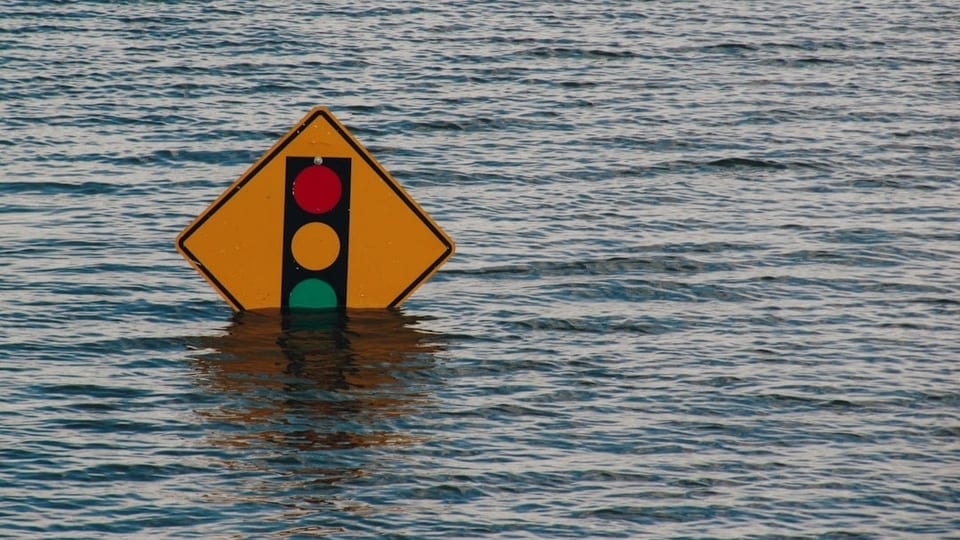
Climate change could affect the storms in the future, making them more deadly than before, an AS report suggests. While these storms will not be frequent, they will be dangerous whenever they come. Such storms, known as Nor’easter, would also make for the next ‘Storm of the Century’, being more devastating than the ones in 1993 and 2010.
What is a Nor’easter? How will they be different now?
Nor’easters can be defined as winter storms, typically formed between September and April. These form when the cold air from the Arctic clashes with warm air from the Atlantic. As per the research, the change in future is related to disturbance in climate patterns. As the global temperature of the Earth goes up, these storms are expected to be more intense than before.
Dr Mann, the lead author of the study, suggests that these storms would have a heavy impact on metropolitan areas in the East Coast, including New York, Philadelphia, and Boston. With seas being warmer due to climate change, there will be more evaporation. It will result in moisture increasing in the atmosphere, leading to more rain and snow.
Also Read: North Wildwood, NJ flooding: Boardwalk inundated, George Redding Bridge closed
How deadly will the next ‘Storm of the Century’ be?
In the past, there have been two storms that are widely remembered for the massive scale of devastation that they caused. These were the storms in 1993 and the Snowmageddon of 2010. Those who have witnessed them should already start bracing for the next one, which is said to be even more dangerous.
Jennifer Francis spoke to CNN and suggested that preparedness will play a significant role. She is a scientist at Woodwell Climate Research Center. According to her, preparing in advance will be much more cost-effective than post-storm damage.
Also Read: NJ weather forecast: Ocean City, Avalon, Sea Isle and Atlantic City flooded amid nor’easter | Videos
FAQs:
1. What is a Nor’easter?
A Nor’easter is a powerful winter storm formed when cold Arctic air meets warm Atlantic air.
2. Why are future Nor’easters expected to be stronger?
Climate change is warming the oceans, increasing moisture and storm intensity.
3. Which areas are most at risk from future Nor’easters?
Major East Coast cities like New York, Boston, and Philadelphia are at high risk.


