E-Paper



Who will see solar eclipse in August 2026? Will it be visible in the US? Check full list of countries
The eclipse will unfold at different times depending on the location. Check out the full list of countries.

 Prefer HTon Google


A partial solar eclipse will sweep across parts of the United States on Wednesday, August 12, 2026, giving sky watchers in the northern US a chance to see the Moon pass across the face of the Sun. While the most dramatic total eclipse will be visible from parts of Greenland, Iceland, Spain and Portugal, the US will remain outside the path of totality. Instead, Americans in parts of the country will see the Moon block only a portion of the Sun.
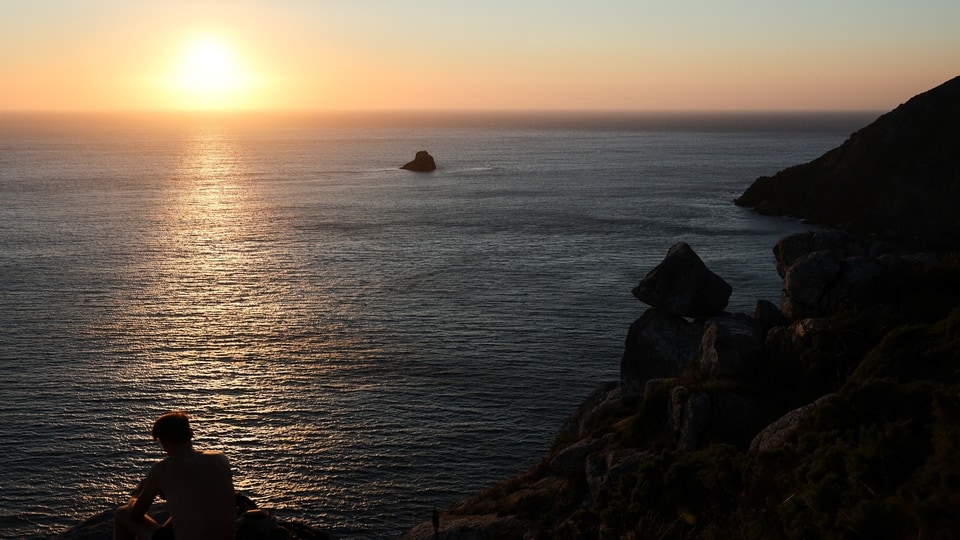
The eclipse will unfold at different times depending on the location, with Alaska and northern parts of the US among the areas that can watch the celestial event. How much of the Sun disappears behind the Moon will vary significantly by location. In New York, for instance, only about 10% of the Sun will be covered, according to CNN.
Which parts of the US will see the 2026 solar eclipse?
The northern United States will be able to see the partial solar eclipse, according to NASA and information cited by CNN.
Alaska will also experience the eclipse, with the event occurring during the morning there.
Across the northern US, the eclipse will take place during the afternoon. The farther north a viewer is, the greater the portion of the Sun that will be covered.
People in the southern parts of the country will have little or no view of the eclipse, depending on their exact location.
How much of the Sun will be covered?
The amount of the Sun obscured by the Moon will depend on where you are.
For example, New York will see only about 10% of the Sun covered, according to CNN.
The eclipse will be considerably more pronounced farther north, while locations outside the eclipse's visibility zone will not see the event.
The key point for US viewers is that this will be a partial eclipse, not a total solar eclipse.
When will the eclipse happen in the US?
The timing will differ across the country.
- Alaska and northern Canada: The partial eclipse will occur in the morning.
- Northern US and eastern Canada: The eclipse will take place in the afternoon.
- Other areas: Visibility will depend on how far south the location is and whether it falls within the partial-eclipse path.
Viewers should check the eclipse timing for their specific city before heading outside, as the start, maximum and end times will vary by location.
Check full list of countries
The August 12 eclipse will be visible across parts of the US, Canada, Europe and Africa, while totality will be limited to a narrower path including Russia, Greenland, Iceland, Spain and Portugal.
Total solar eclipse
- Russia
- Greenland
- Iceland
- Spain
- Portugal
Partial solar eclipse
- United States
- Canada
- Greenland
- Iceland
- Russia
- United Kingdom
- Ireland
- Spain
- Portugal
- Other parts of Europe
- Northwestern Africa