
 E-Paper



After China, others may revise death tolls: WHO
The WHO said Wuhan had been overwhelmed by the virus, which emerged in the city in December, and the authorities had been too swamped to ensure every death and infection was properly recorded.

 Prefer HTon Google


The World Health Organization (WHO) said on Friday that many countries would likely follow China in revising up their death tolls once they start getting the coronavirus crisis under control. Wuhan admitted missteps in tallying its death toll, abruptly raising the city’s count by 50%.
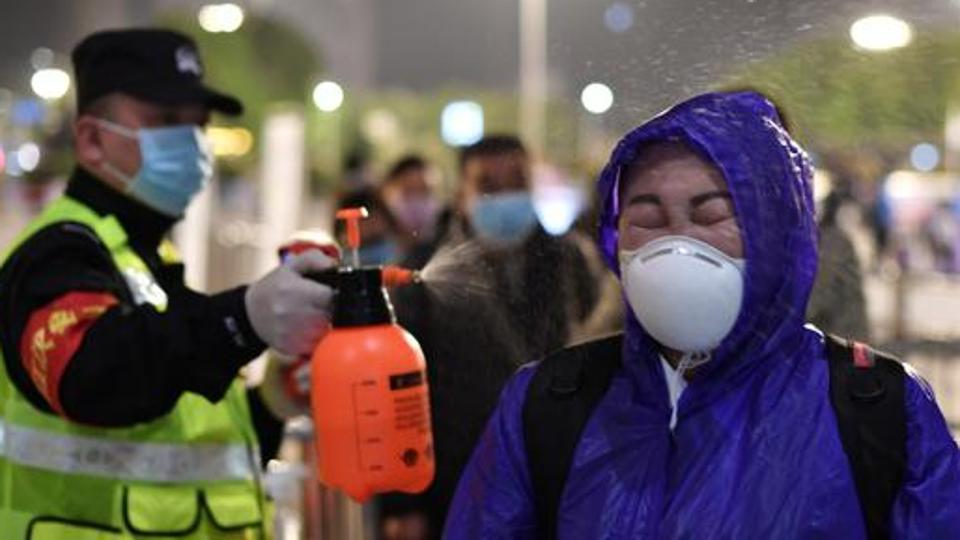
The WHO said Wuhan had been overwhelmed by the virus, which emerged in the city in December, and the authorities had been too swamped to ensure every death and infection was properly recorded.
Maria van Kerkhove, the WHO’s Covid-19 technical lead, said, “I would anticipate that many countries are going to be in a similar situation where they will have to go back and review records.”
Wuhan added 1,290 deaths to its toll, raising the total to 3,869, and added a further 325 cases, bringing the cases to 50,333.
Michael Ryan, the WHO’s emergencies director, said, “All countries will face this.”
Tests mandatory for those leaving Wuhan
The Chinese government ordered on Saturday that anyone in Wuhan working in certain service-related jobs must take a coronavirus test if they want to leave the city.
The order comes after the central city recently lifted a 70-day lockdown that all but ended the epidemic there.
China runs out of drug test candidates
Several clinical trials of drugs including one of the first to be identified as a potential anti-Covid-19 medicine, remdesivir, have been cancelled in China because of the lack of testing candidates.
As of Thursday, 598 coronavirus-related clinical trials had been registered in China, but some 40 had been cancelled.
UN body not sure if antibodies will work
The WHO is not sure whether the presence of antibodies in blood gives full protection against reinfection with the new coronavirus, a top official said on Friday.
Top emergencies expert of WHO Mike Ryan said that even if antibodies were effective there was little sign that large numbers of people had developed them.


