
 E-Paper



After FATF relief and F-16 parts, Pak spews anti-India venom
The diatribe against India from Pakistani politicians in the past week is to draw Modi government into a pig-wrestling match and take off India’s sheen as it prepares for G-20, SCO summits in 2023 and QUAD summit in January 2024.

 Prefer HTon Google


From Pakistan ministers calling India a “rogue state”, then making slanderous personal attacks on Prime Minister Narendra Modi and finally threatening India with “Atom Bomb”, the Islamic Republic’s leadership in the past week has exposed its visceral hatred for India and its people in a bid to score political points with already radicalized domestic audience.
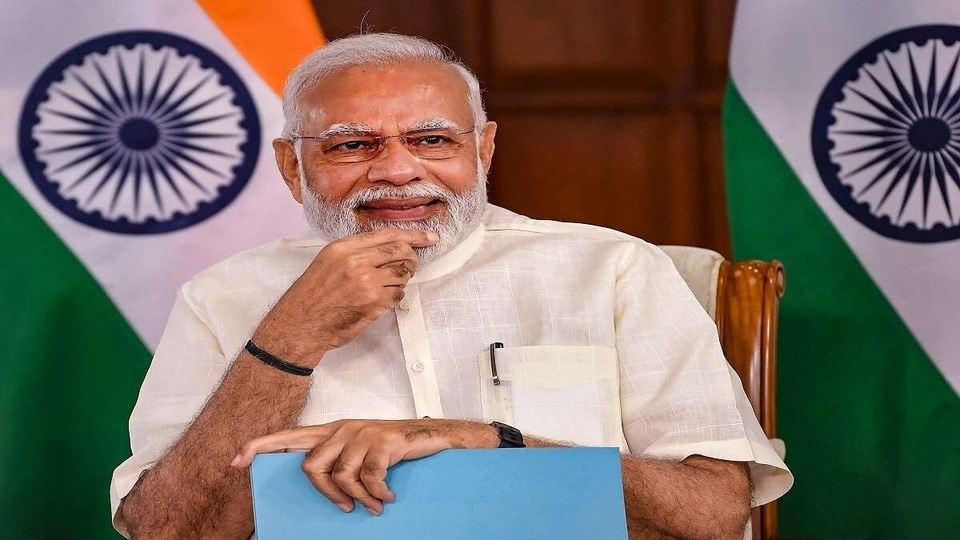
While India retaliated to personal attack made by Foreign Minister Bilawal Bhutto Zardari, son of India hating former PM Benazir Bhutto and grandson of rabidly anti-India Zulfikar Ali Bhutto, on Prime Minister Narendra Modi, Raisina Hill believes the entire show was designed for the domestic clientele in Pakistan with the forthcoming general elections in mind. However, there was method to even this Pakistani madness.
For the past years, the Pakistani natural antipathy against India was curbed by Islamabad’s desire to get off the grey list of Financial Action Task Force (FATF) and get spare parts and maintenance for its F-16 fighters from US. This objective was achieved by former Army Chief Qamar Jawed Bajwa who made a deal with the US and perhaps even tipped off the presence of now dead Al Qaida chief Ayman Al Zawahiri in heart of posh Kabul.
After its objectives were secured, thanks to indulgent US, the Pakistani politicians decided to let off steam by doing what they do best---slandering India and its leadership. And there is a pattern in this.
It has been seen over the years that a newly appointed Pakistan Army Chief like present one Gen Asim Munir tries to show his military muscle against India for at least two of the three years of his tenure and then tries to patch up with India by lowering the temperatures on the borders.
The Pak Ministers diatribe against India was also abetted by diplomats like Pak’s UN Representative Munir Akram, who is a known India baiter and alleged women beater. His diplomat brother Zamir Akram also is part of rabid anti-India industry in Pakistan and served in the Pakistan High Commission in India in early 1990s when Benazir Bhutto pushed jihad in Kashmir was at its peak. It was Benazir father Zulfikar who wanted Islamic bomb at any cost even if Pakistanis had to eat grass in the 1970s.
While Modi’s India has taken note of this Pakistani frustration on account of being rendered globally irrelevant, this angst against India will only increase and become more personal as New Delhi prepares to host the G-20, SCO summit in September 2023 and the QUAD summit in January 2024.
“Politicians like Bilawal, Hina and Shazia basically want India to get into a pig wrestling match with Pakistan to take some sheen off Modi’s global India and earn some points with iron brother China…. Basically, these statements reflect the Pakistani frustration of being totally ignored by Indian leadership,” said a former foreign secretary.
The present Indian attitude to Pakistan was best summed up when former prime minister Nawaz Sharif asked then foreign secretary and now External Affairs Minister S Jaishankar about his emotional attachment to his country when Prime Minister Narendra Modi landed in Lahore on December 25, 2015.
EAM Jaishankar told then prime minister Sharif that he consider Pakistan as a foreign country like Afghanistan, Tajikistan, Iran, Uzbekistan and Kazakhstan and hence had no emotions for the Islamic Republic. A sea change from the previous UPA regime where the then Prime Minister Manmohan Singh longed to visit Gurudwara Panja Sahib at Hassan Abdal in Attock, where his naming ceremony had taken place in pre-independence India.


