E-Paper



An Enclave of Americans Finds a Difficult New Reality in the West Bank
Palestinian-Americans who returned to their ancestral home find themselves in a worsening conflict with Israeli settlers and soldiers.


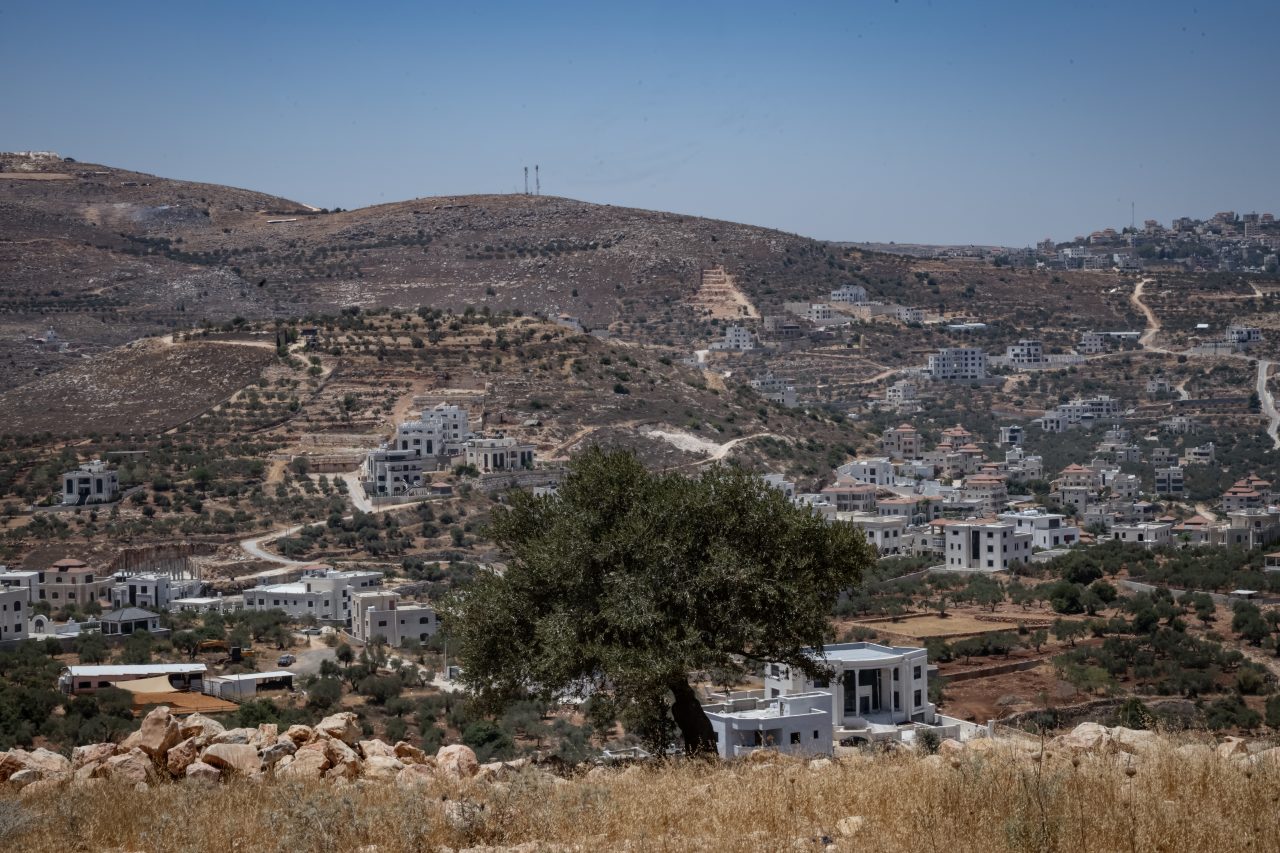
TURMUS AYYA, West Bank—Amid the olive trees and rolling hills of the central West Bank sits a little slice of Americana.
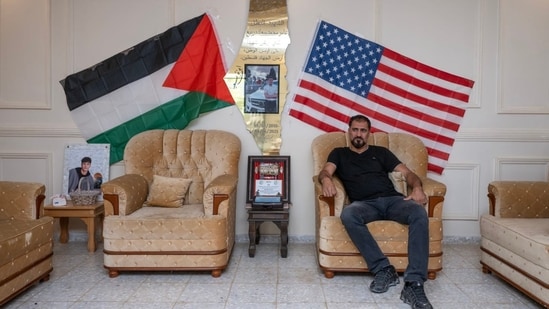
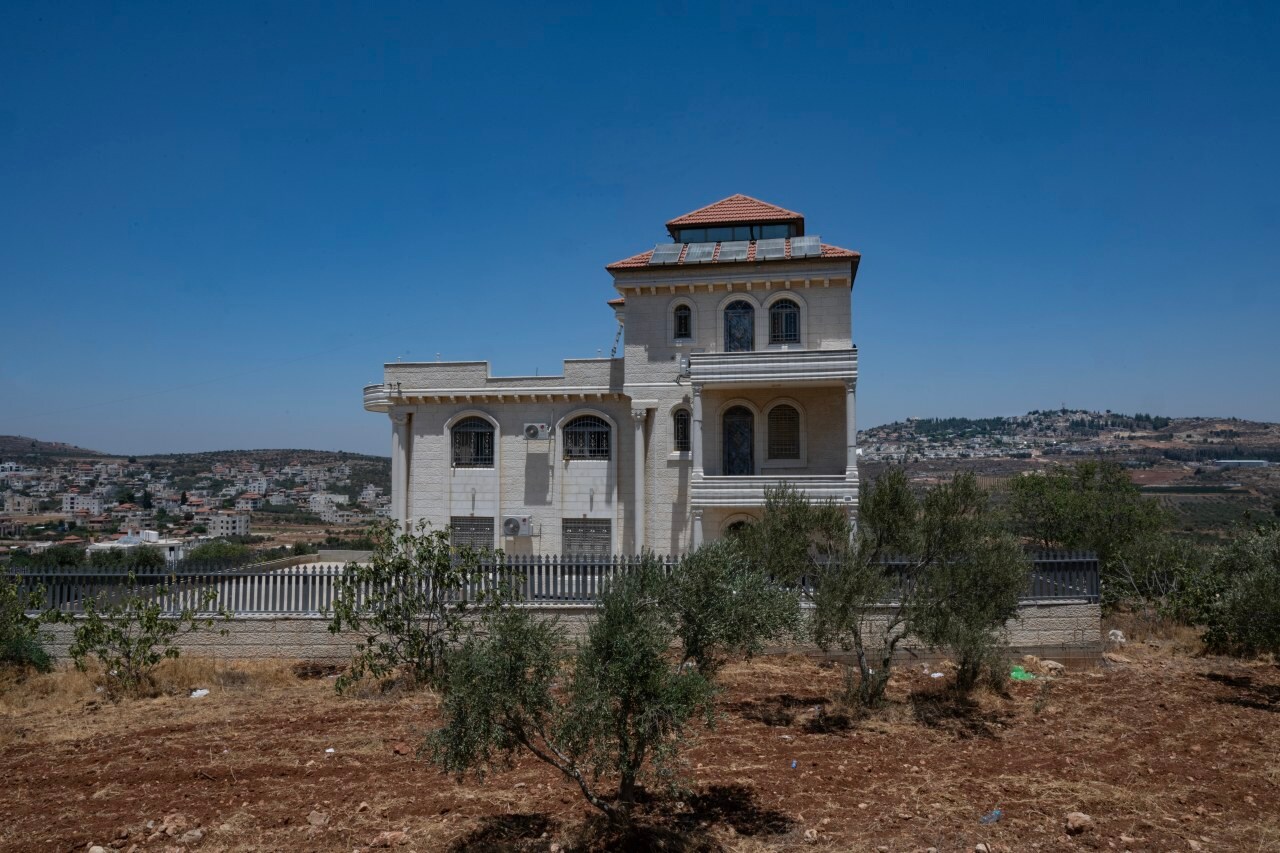
The villages of Turmus Ayya and Sinjil are full of American dual nationals who have come to retire or to raise families in a place where their dollars go further and it feels like home. Many speak English as their go-to language, live in large suburban houses and eat in East Coast-style pizza parlors.
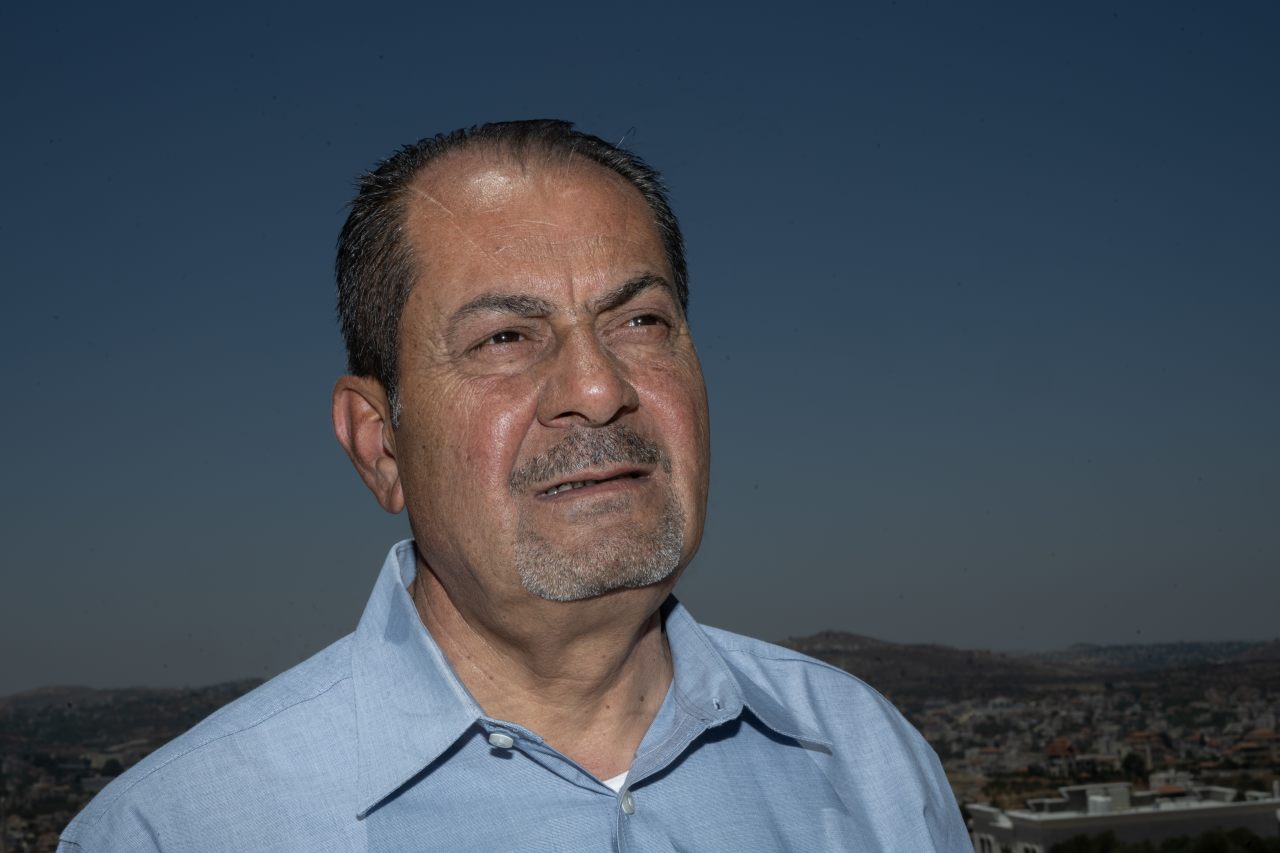
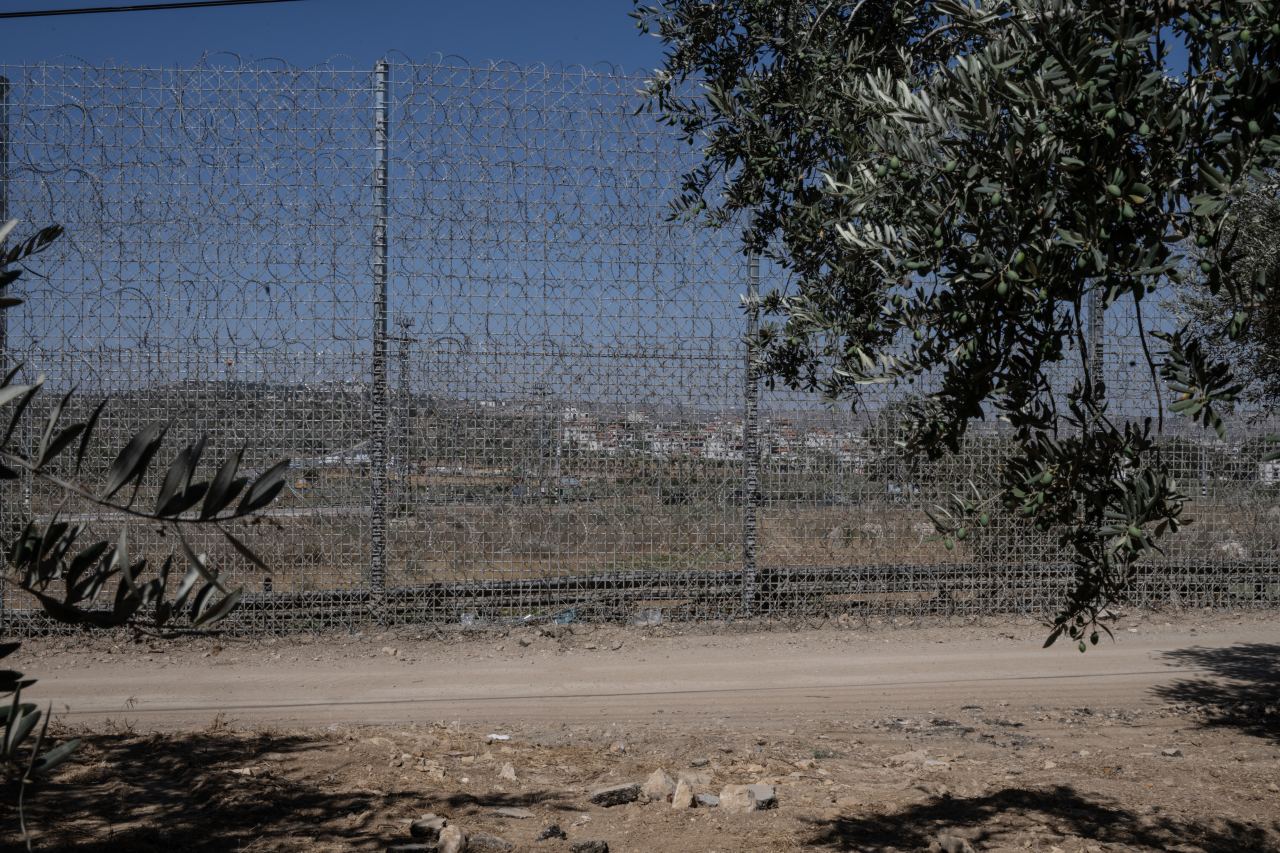
It is easy to forget where you are until you see the tall, new barbed-wire fence that divides parts of Sinjil and separates much of it from a main road used by both Israeli settlers and Palestinians. It crosses the land of Fuad Daoud, a 55-year-old who splits his time between Sinjil and Florida’s breezy west coast, where his wife and 26-year-old son remain.
“It isn’t something you can get used to,” he said of the fence, which he watched go up earlier this year.
Israel’s military said it was erected to prevent rock-throwing onto the roadway below. Now, it is a symbol of the growing tension between Israeli troops and settlers and Palestinians that has shattered the hopes that pulled émigrés back from America to the villages.
Daoud, who immigrated to the U.S. in 1993 and spent the bulk of his adult life there before returning to Sinjil to be with his aging father, said there was a time when he would have encouraged his son to live there as well. “But honestly right now, seeing what I have been seeing, I say no,” he said.
Violence by settlers against Palestinians has risen sharply since the Hamas-led attacks on Oct. 7, 2023, that sparked the war in Gaza. Places like Turmus Ayya are bearing the brunt.
The village sits in a low-lying valley. To its north is a line of around a dozen Israeli settlements and several military positions towering above it from the hilltops. At least three Palestinian-Americans have been killed by Israeli military fire or during attacks from Israeli settlers this year.
In April, 14-year-old Palestinian-American Amir Rabee was shot and killed by Israeli forces. Two friends with him were shot, too, including another American teen who survived and is undergoing treatment in New Jersey.
The Israeli military said its troops fired at the boys after identifying them as “three terrorists who were throwing rocks” at a roadway, “eliminating one and injuring the two others.”
The Rabee family disputes that account and says the boys were picking almonds, when Israeli troops sprayed them with gunfire. Rabee was struck 11 times, according to the medical examination conducted after his death.
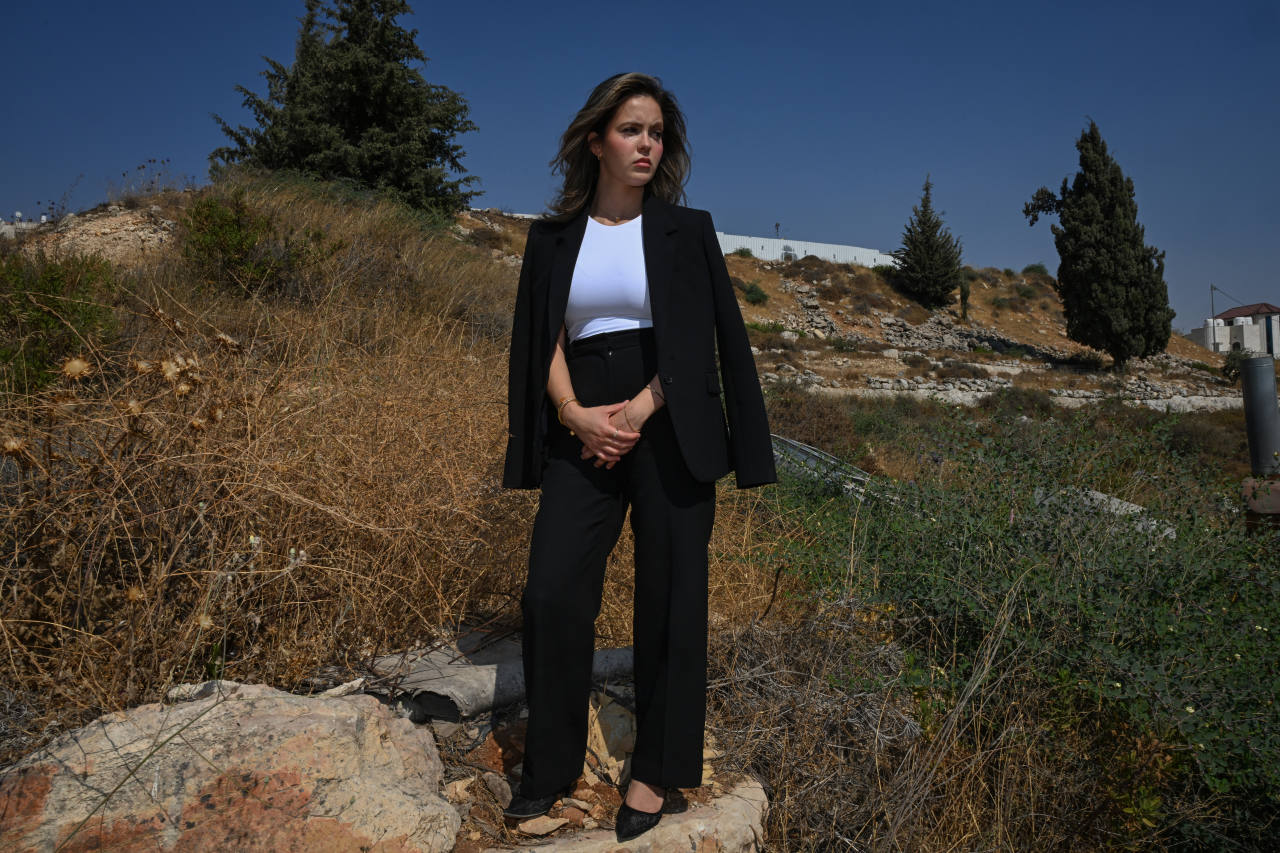
In Sinjil, Sayfollah Musallet, a 20-year-old Palestinian-American from Florida who was visiting relatives in the West Bank, was beaten to death during an Israeli settler attack in July.
The Israeli military said it is investigating the incident and that its mission is to ensure the security of all residents.
“It’s a ghost town now,” said Diana Halum, Musallet’s 27-year-old Palestinian-American cousin. “Everybody is really worried, and it is driving people away.”
Palestinians from the villages emigrated to the Americas in waves beginning early in the 20th century, as clans of peasant farmers sought economic opportunity. Many succeeded in their new lives and then began flowing back to the occupied West Bank in recent decades, bringing the wealth they amassed in the West to build houses and fund infrastructure projects and community centers.
Dual nationals make up an estimated 85% of the residents of Turmus Ayya. Many have palatial, red-tiled homes. The municipality has an estimated full-time population of around 3,000, a number that typically swells during the summer, when Palestinian-Americans from the U.S. visit their relatives.
“Palestinian-Americans here are a bridge to the outside world,” said Yaser Alkam, a semiretired family-law attorney who emigrated from Turmus Ayya to Orange County, Calif., in 1987 then returned 35 years later to live out his retirement. “When I am here, there are freedoms and luxuries in the U.S. that I miss. But when I am in the U.S., I miss the feeling of home, of community—a society where everybody knows each other and you might run into someone four times in a day and shake hands every time.”
But as Palestinian-Americans began returning home, growing numbers of Israelis began building their own settlements across the West Bank, which Israel captured from Jordan in 1967.
Palestinians and much of the world consider the Israeli settlements illegal. Israel regards the West Bank as disputed territory and says most of the settlements are legal. Proponents of the settlements see them as a way to prevent the establishment of a Palestinian state and ultimately achieve full sovereignty over the West Bank. Earlier this month, far-right Finance Minister Bezalel Smotrich said Israel would move ahead with a controversial settlement expansion near East Jerusalem that “finally buries the idea of a Palestinian state.”
The result is worsening friction.
Along the drive to his house in Turmus Ayya, Alkam pointed out plots of land owned by Palestinians that were torched during Israeli settler attacks and others rendered inaccessible by Israeli military restrictions. He drove by the large, empty houses of Palestinian-American neighbors who had left Turmus Ayya out of fear.
Village officials say the municipality used to receive applications for about two dozen construction permits a year. Since the war in Gaza began, it has received about four.
“People are thinking twice about building new homes or moving back here,” said Alkam, who with the mayor’s approval set up a municipal department of foreign relations to deal with diaspora affairs and manage Western media attention. “But I speak for myself when I say I would rather die in my home than leave.”
Rights groups and Palestinian-American residents of the villages say settlers who carry out attacks are rarely prosecuted or punished and act with impunity. The Palestinian-Americans said they don’t feel protected by the U.S. government and are calling for more American pressure on Israel to rein in extremist settlers and lethal military force on unarmed civilians.
American administrations had long condemned the growth of Israeli settlements in the West Bank, seeing them as obstacles to peace and the prospects of an eventual Palestinian state. President Joe Biden raised the pressure by imposing sanctions on settlers linked to violent attacks.
President Trump lifted those sanctions and appointed an ambassador to Israel, Mike Huckabee, who openly supports settlements.
In the home of Amir Rabee, the 14-year-old killed in the almond grove, Palestinian and American flags hung side by side on the wall next to a memorial for the boy. Mohammed Rabee, his father, teared up as he held the bloodied, punctured clothes his son was wearing when he was killed.
“In Palestine, we are not treated as Americans,” said Rabee, who has alternated between living in the West Bank and New Jersey, where his family still has a home. “I don’t need the American Embassy to be a messenger between me and Israel. I need them to fight for me.”
In an interview with The Wall Street Journal, Huckabee said he is sympathetic to concerns from Palestinian-Americans in the West Bank who say the U.S. isn’t doing enough to protect them.
“I wouldn’t argue with them over it, because until you have been in someone’s shoes and lived their lives, you can’t know what people feel. So, all I would say is I respect if people feel that way,” Huckabee said. “Maybe we need to do a better job of communicating, a better job of showing a level of respect.”
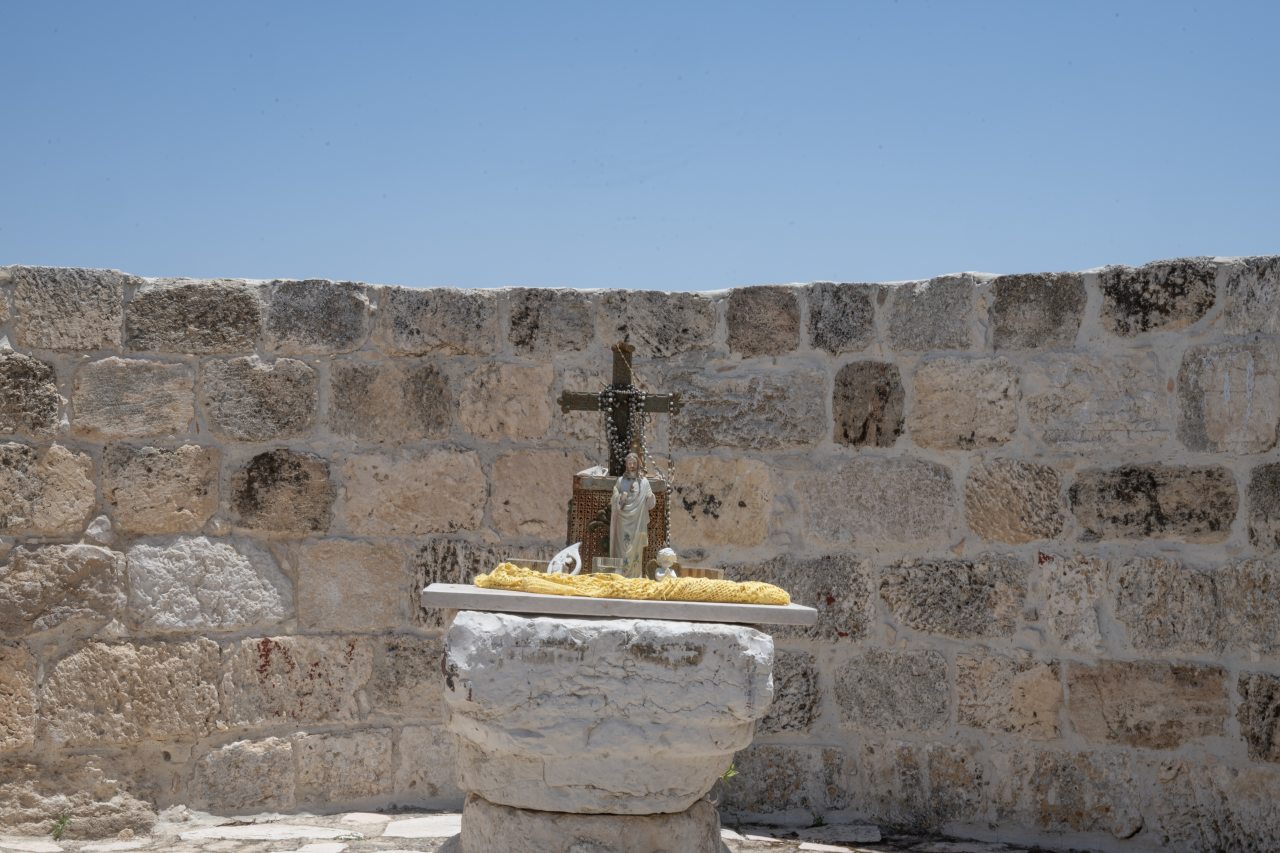
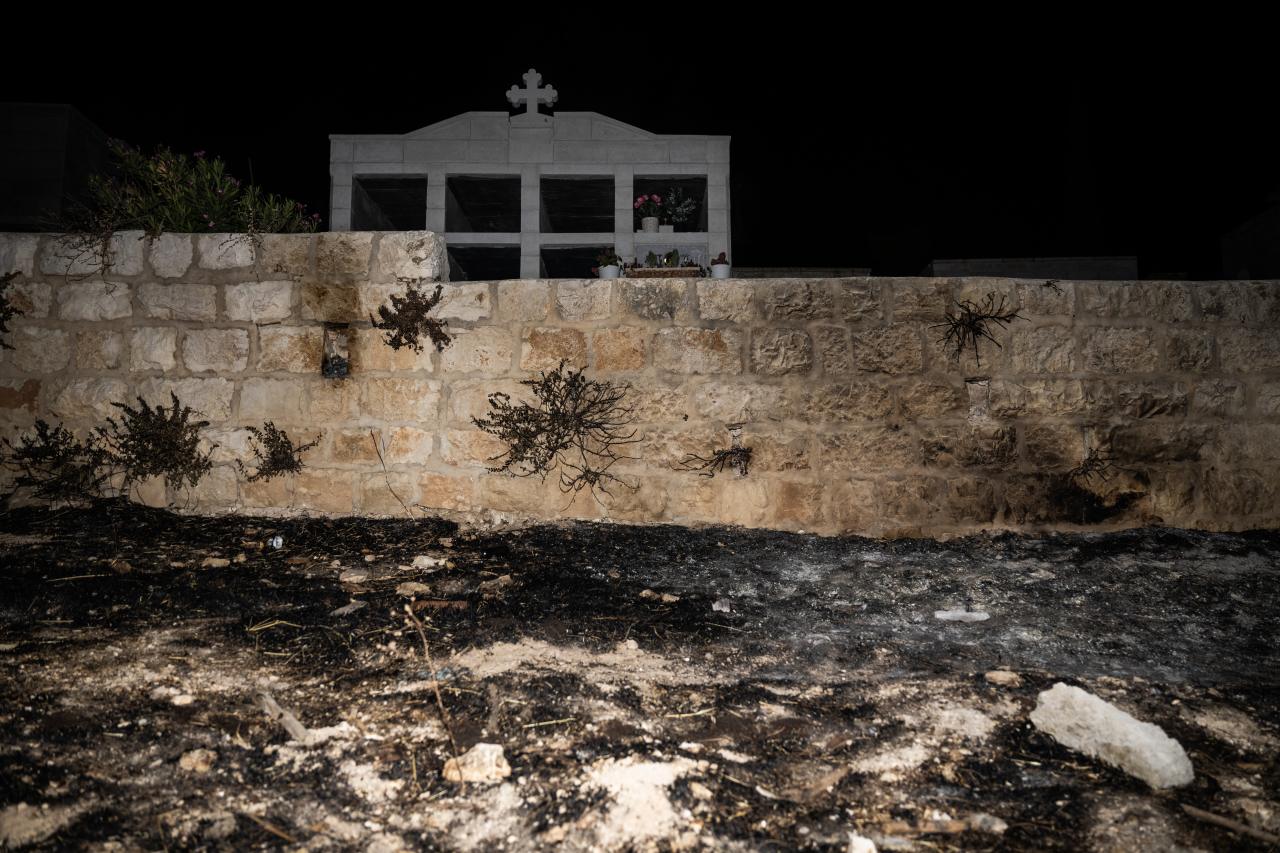
Huckabee toured Taybeh, another town with a large population of U.S. citizens and one of the few majority-Christian villages in the West Bank, after several Israeli settler attacks, including one that left fields at the foot of an ancient church ablaze, according to local leaders.
Huckabee said he expects Israeli forces to protect Palestinians during settler attacks and apply the law evenly.
“As an American that is so fundamental to what we are supposed to believe—that justice does not wink at some people committing a crime and open both eyes at another,” Huckabee said.
Religious, business and political leaders in Taybeh say they are worried the West Bank’s depressed economy and intensifying attacks will lead to wide-scale exodus from the tiny town. Its economy relied heavily on tourists coming to view sites mentioned in the Bible, as well as summer visits from its American diaspora. Both have been all but frozen since the war began.
The knock-on effect is clearly apparent.
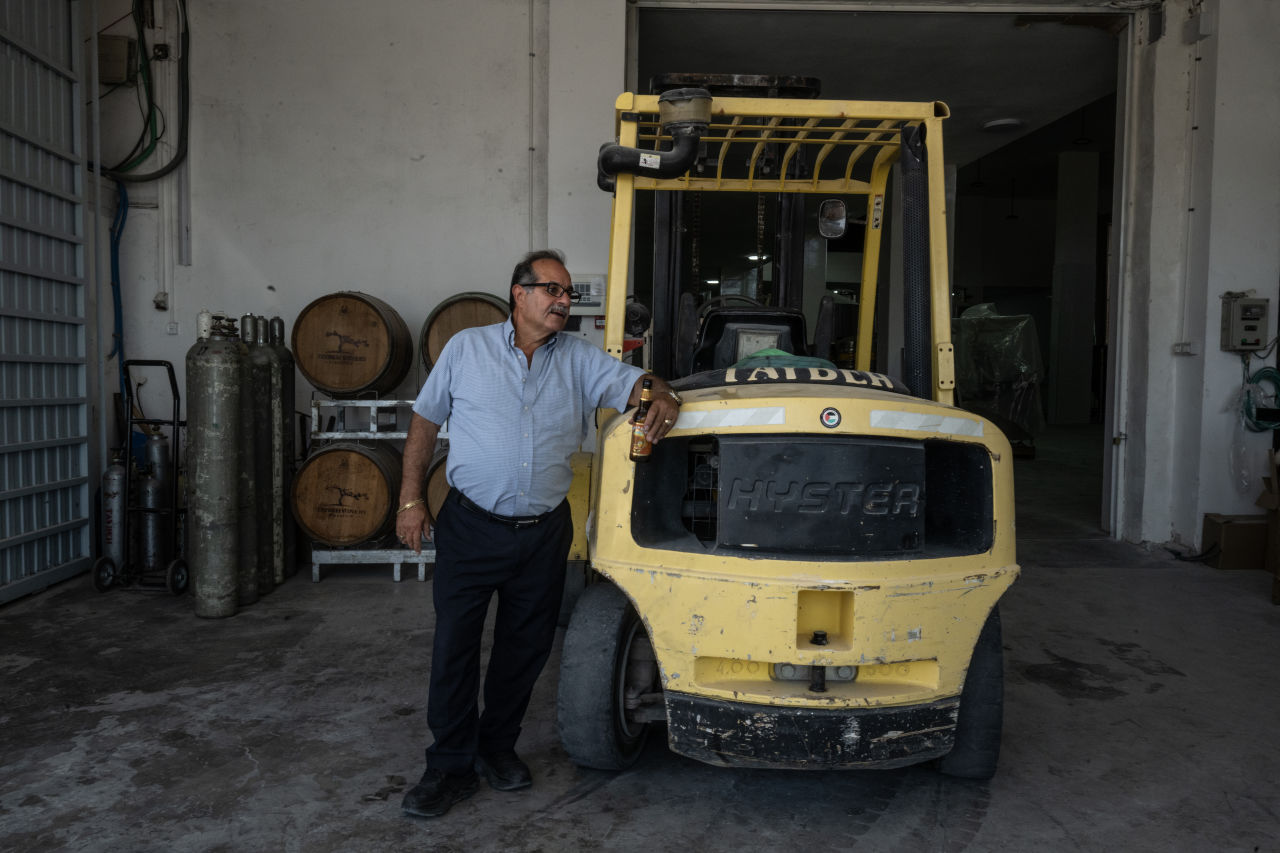
Taybeh entrepreneur Nadim Khoury brewed beer in his Boston dorm room while at college in the 1980s. When he returned to his hometown in 1994 to launch a brewery with his brother, it became the most renowned Palestinian brewery and grew to include a winery, distillery and eco-hotel.
Production today is down 90% from prewar levels, and the hotel is closed for lack of visitors. Checkpoints, settler attacks around a crucial source of spring water and difficulties obtaining permits have hampered imports and exports, Khoury said.
“There has been so much strain,” Khoury said as he sank in his chair, sipping a beer in his now largely quiet brewery.
Write to Omar Abdel-Baqui at omar.abdel-baqui@wsj.com