E-Paper



CIA had multiple clues linking 9/11 mastermind to terror plot before attack but failed to act: Report
The name "Mukhtar" had already appeared in CIA reporting in the spring of 2001, with multiple reports indicating that a person using the name was recruiting.

 Prefer HTon Google


Khalid Sheikh Mohammed (KSM), accused by US authorities of masterminding the September 11, 2001 attacks, was linked to the nickname “Mukhtar” in a CIA human intelligence report received on August 28.
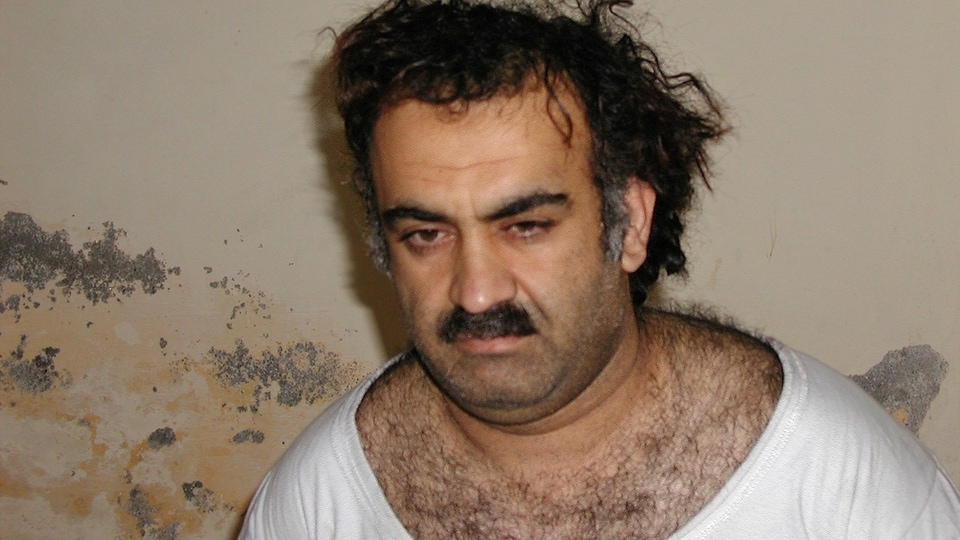
The name "Mukhtar" had already appeared in CIA reporting in the spring of 2001, with multiple reports indicating that a person using the name was recruiting and training terrorists to carry out attacks in the United States, according to a report by News Week.
CIA and FBI's investigations
At the time, the CIA and FBI were focused on placing Khalid al-Mihdhar on watch lists and determining what Zacarias Moussaoui was planning. They were also operating on the assumption that Abu Zubaydah was the mastermind behind the 2001 plots.
However, the emergence of KSM's name should have raised significant alarm.
He had been indicted in January 1996 for his role in the 1993 World Trade Center attack, including assisting Ramzi Yousef in planning it. That same year, an unsuccessful attempt had been made to render him from Qatar.
In other words, the US intelligence "knew" that KSM existed and that he had terrorist connections but it reportedly failed to connect the dots.
Also Read | Khalid Sheikh Mohammed, alleged chief planner of 9/11 attacks, gets 2028 trial date
KSM's links to al-Qaeda were already known
After escaping Qatar following the failed rendition attempt in 1996, KSM lived in Afghanistan and Pakistan. He provided media facilitation for al-Qaeda and became head of its media committee in late 2000.
There was also an existing link between KSM and the al-Ghamdi alias. During the 1998 African embassy attacks, Kenyan authorities reported that an individual using the alias Abdulrahman A.A. Al-Ghamdi, which the CIA had already identified as being associated with KSM, had flown into Nairobi just days before the attack.
This meant that a connection between KSM, the al-Ghamdi alias and the nickname "Mukhtar" existed before 9/11.
Yet after the August report identifying Mukhtar as KSM, no one at the CIA connected it with additional intelligence from June 2001 indicating that KSM himself, operating under that name, was recruiting terrorists to travel to the United States.
CIA failed to connect key intelligence
Nor was KSM's significance fully recognised in light of reports about his cousins, several of whom were involved in terrorism: Ramzi Yousef, then in custody for his role in the 1993 World Trade Center bombing; Abd al-Samad; Abd al-Karim aka (Abu Musab al-Baluchi); Abd al-Mun'im aka (Abu Khalid al-Baluchi); Hashim Abd al-Aziz aka (Shabir); and Ali Abdul Aziz Ali (Ammar al-Baluchi), who were involved in the 9/11 financial operations.
Also Read | CIA faults its officers over 9/11 attacks
Links emerged only after 9/11
All were known to the CIA to have connections to al-Qaeda. Abu Musab and Abu Khalid were also known to the agency for handling logistical and administrative matters for the group.
It was only after 9/11 that German intelligence discovered that KSM, by then established as the same person as Mukhtar, had communicated with a telephone used by Ramzi Bin al-Shibh. Bin al-Shibh had, in turn, used the same phone to communicate with Zacarias Moussaoui.
The web of names and aliases can make the intelligence picture seem like a maze. But that is precisely the point: despite possessing many of the individual pieces, the intelligence agency failed to put them together and "connect the dots."