
 E-Paper



Climate change to hit staple produces by 2030, corn will suffer majorly: Nasa study
Global corn yields could sink by nearly a quarter by 2030 as climate change wreaks havoc on traditional weather patterns.

 Prefer HTon Google


With climate change rapidly flipping traditional weather patterns around the world, global corn yields, among other staple produces, can be expected to sink by nearly a quarter or 24 per cent by 2030, the National Aeronautics and Space Administration (NASA) said in a new study. At the same time, wheat yields have been projected to grow at 17 per cent.
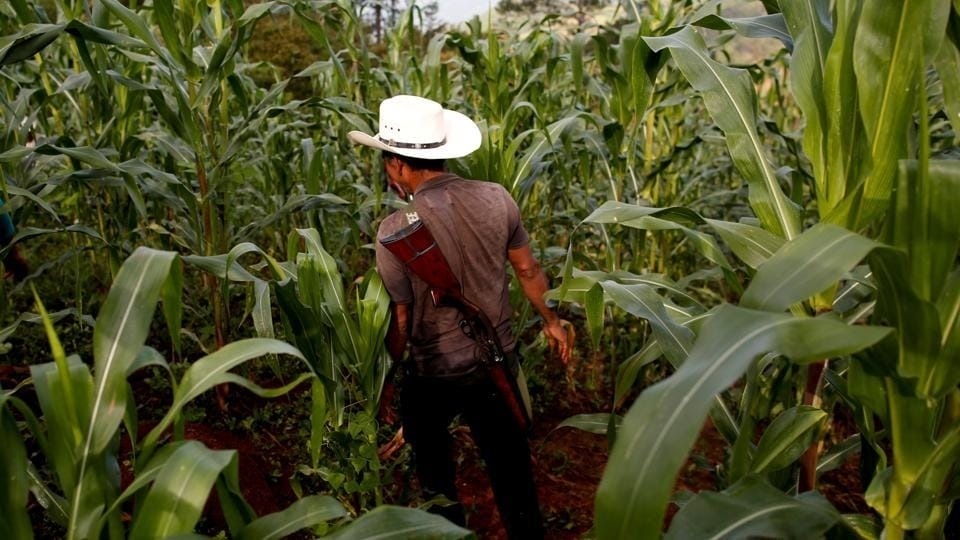
The study, published in the journal Nature Food, was a collaborative effort from groups, including NASA, as well as the International Institute for Applied Systems Analysis (IIASA).
Researchers found rising temperatures and shifts in rainfall and human-made greenhouse gas emissions, which have already begun to cause effects, will make it harder to grow corn and production cuts are occurring sooner than expected as compared to past studies, reported Bloomberg.
Corn, like soybeans and rice, is a staple in global livestock rations in regions like the Americas, west Africa and China.
The study revealed the production cuts are going to affect several other staple produce as well. However, the results for corn and wheat yields were clearer.
Wheat yields, it said, could significantly climb till 2030 as warming weather expands suitable growing areas for the crop, including the northern United States, Canada, the plains of north China, central Asia, and others. However, these gains are likely to level off by mid-century.
“Even under optimistic climate change scenarios, where societies enact ambitious efforts to limit global temperature rise, global agriculture is facing a new climate reality…And with the interconnectedness of the global food system, impacts in even one region’s breadbasket will be felt worldwide,” lead author Jonas Jaegermeyr said in a statement.
According to the researchers, while wheat will fare better than corn from rising carbon dioxide levels in the atmosphere, it may come at the cost of the crop’s nutritional value.


