
 E-Paper



‘Eagle Claw’ reminder vs Trump's ‘f-ing’ threat: Iran turns to memes after US rescues downed airman
Iran did not deny that the US operation was a success. Yet, it fired multiple salvos with memes and taunts, and invoked an American failure from 46 years ago.

 Prefer HTon Google


After the US carried out a daring rescue operation for an airman stuck behind enemy lines after Iran shot down an F-15 fighter jet, President Donald Trump followed up with a fresh warning laced with expletives. Iran did not deny that the rescue was a success. Yet, it fired multiple salvos with memes and taunts, plus invoking an American failure from 46 years ago, on social media.
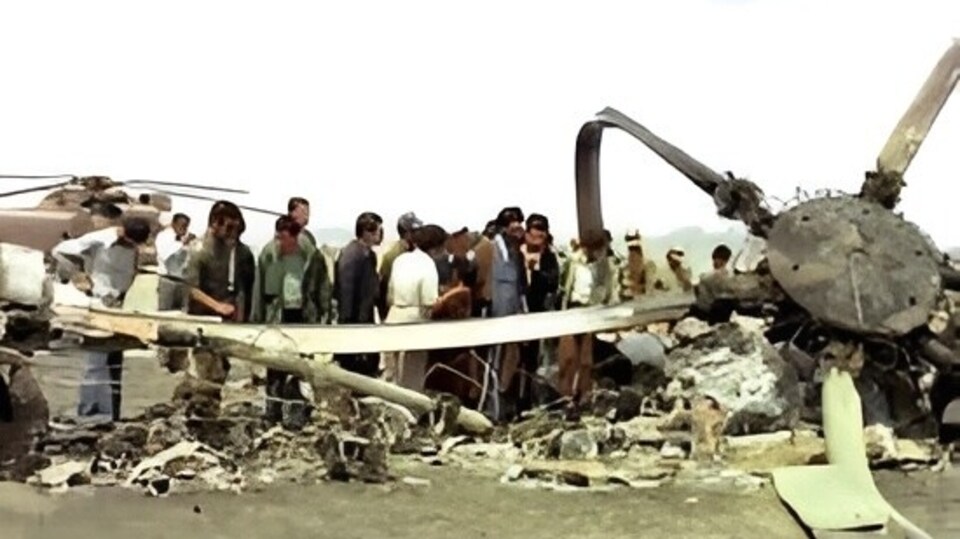
"History repeats itself. Operation Eagle Claw, a historic US military failure in Iran's Tabas Desert. April 24, 1980," posted Iran's embassy in South Africa, one of the most prolific official accounts in the propaganda battle.
The X post had an image referencing the 1980 Desert One disaster. That failure is believed to have given birth to the US Navy SEAL Team Six, the elite force that carried out the rescue this weekend.
Social media attack via embassies
The Islamic Republic's diplomatic missions, in fact, launched a coordinated social media offensive that carried, besides the history lesson, several political jabs. This came within hours of Trump announcing the rescue of a downed Air Force colonel from a hilly region of Iran on Sunday,
Iran's military command's spokesman claimed the rescue mission was a "deceptive rapid extraction operation" that, he said, had “ended in total failure”. He claimed Iran destroyed four US aircraft involved in the operation. The US has said it destroyed two of its own planes after they could not make the return journey due to a malfunction.
Soon came Trump's next Truth Social post, which was expletive-laden and threatened to target Iran's power plants and bridges unless it reopened the Strait of Hormuz.
"Open the Fuckin' Strait, you crazy bastards, or you'll be living in Hell — JUST WATCH! Praise be to Allah," Trump wrote, using a Muslim prayer phrase at the end.
Iran's embassy in Thailand posted a rebuke: “We know that some Americans swear, but is this the best and finest of you as POTUS? Is this how you want to be represented in the world? Language!”
The Iranian embassy in Zimbabwe was more deadpan: "Trump, please talk. We are bored." This account also noted that American fuel prices had risen “more than 55% since the war began”, mimicking Trump's all-caps posting style. "Thank you for your attention to this 'IMPORTANT' MATTER! DONALD. J. TRUMP," it wrote.
The embassy in Thailand also posted: Judging by how POTUS swears like a teenager, it seems the US has reached the Stone Age sooner than expected," it posted, referring to Trump and war secretary Pete Hegseth's claims that the US would “send Iran to the Stone Age”.
Speaker of Iran's parliament, MB Ghalibaf, also posted a reply to Trump, saying “reckless moves” of the US President will drag the US into a “living hell” for every family. “Our whole region is going to burn because you insist on following Netanyahu’s commands,” he added.
Ghalibaf further wrote, “Make no mistake: You won’t gain anything through war crimes, adding in another post that the only real solution is ”respecting the rights of the Iranian people and ending this dangerous game."


