
 E-Paper



EU trade talks to face ‘moment of finality’ on weekend: UK foreign minister
To prepare for a possible no-deal exit on January 1, the EU on Thursday proposed four contingency measures to make sure air and road traffic can continue as smoothly as possible for the next six months.

 Prefer HTon Google


Britain’s foreign minister said Thursday that negotiations on a trade deal with the European Union will reach a “moment of finality” this weekend, with both sides assessing chances of an agreement as slim.
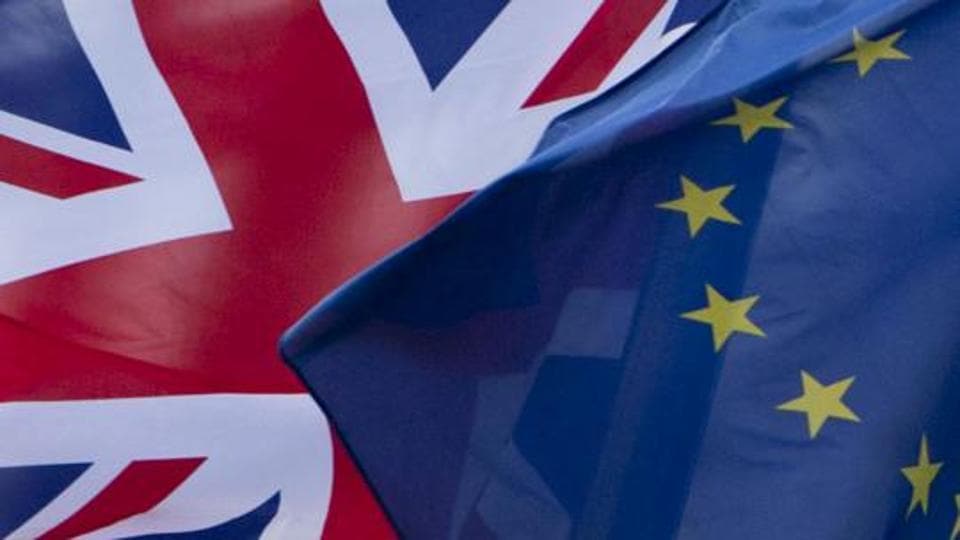
To prepare for a possible no-deal exit on January 1, the EU on Thursday proposed four contingency measures to make sure air and road traffic can continue as smoothly as possible for the next six months.
It also proposes that fishermen will still have access to each others waters for up to a year, to limit the commercial damage of a no-deal split. The plans depend on the UK offering similar initiatives.
“Our responsibility is to be prepared for all eventualities,” European Commission President Ursula von der Leyen said.
Von der Leyen and UK Prime Minister Boris Johnson held a three-hour dinner meeting Wednesday in hope of unblocking stalled talks, but came away without making substantial progress.
“We understand each other’s positions. They remain far apart,” von der Leyen said.
They told their negotiators to keep talking, but set Sunday as decision day.
UK Foreign Secretary Dominic Raab said the Sunday deadline set by Britain and the EU for a decision was final — though he added “you can never say never entirely.”
Without a deal, the bloc and Britain face a tumultuous no-deal split at the end of the month, threatening hundreds of thousands of jobs and billions in losses.
Britain left the EU on January 31, but remains in its economic structures until the end of the year. That means a serious economic rupture on January 1 that could be chaotic if there is no trade agreement. A no-deal split would bring tariffs and other barriers that would hurt both sides, although most economists think the British economy would take a greater hit because the UK does almost half of its trade with the bloc.
Months of trade talks have failed to bridge the gaps on three issues — fishing rights, fair-competition rules and the governance of future disputes.
While both sides want a deal, they have fundamentally different views of what it entails. The EU fears Britain will slash social and environmental standards and pump state money into UK industries, becoming a low-regulation economic rival on the bloc’s doorstep — hence the demand for strict “level playing field” guarantees in exchange for access to its markets.
The UK government sees Brexit as about sovereignty and “taking back control” of the country’s laws, borders and waters. It claims the EU is trying to bind Britain to the bloc’s rules indefinitely.


