
 E-Paper



Europe widens coronavirus lockdown, moves to limit economic damage
With Europe now the epicenter of the outbreak, countries in the Schengen free-travel zone were considering restricting access to foreigners and asking residents to refrain from leaving, effectively sealing external frontiers, three officials familiar with the matter said.


Europeans were faced with increasingly draconian restrictions on public life Sunday, as governments tightened border controls to check the spread of the coronavirus and moved to limit damage to the continent’s fragile economies.
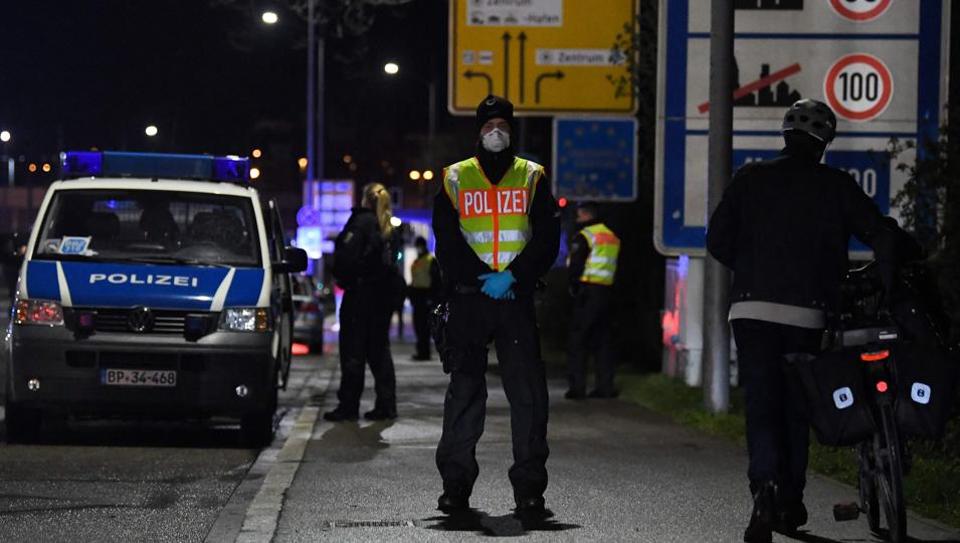
With Europe now the epicenter of the outbreak, countries in the Schengen free-travel zone were considering restricting access to foreigners and asking residents to refrain from leaving, effectively sealing external frontiers, three officials familiar with the matter said.
In Rome, the Italian government was weighing a new package of measures for Europe’s most-affected nation, including increased spending for its stricken health care sector, the postponement of some tax deadlines and aid for airlines.
ALSO WATCH | Coronavirus: PM Modi offers $10 million for new fund at SAARC virtual meet
Germany will close its borders with France, Switzerland and Austria on Monday at 8 a.m. local time, though goods and commuter traffic will still be allowed to flow, Bild newspaper and other media reported. Spokespeople for the German government and the interior ministry said they are unaware of the plan when contacted by Bloomberg.
While one focus is checking the spread of the disease and limiting the strain placed on medical facilities, another is addressing the impact on economies. The European Central Bank unveiled a series of monetary measures Thursday that failed to pacify investors concerned that the euro-area is heading for recession.
Markets recovered Friday as Germany pledged to spend whatever it takes to protect its economy and the European Commission said it’s ready to green light widespread fiscal stimulus.
Still, HSBC Holdings Plc economists are among those declaring that a euro-area recession looks unavoidable. Italy and France were already contracting before the health emergency, while Germany had stalled.
For the broader European Union, the European Commission last week said there could be a 1% contraction this year, which would be more severe than the downturn experienced during the sovereign debt crisis a decade ago.
Earlier Sunday, Austria banned gatherings of more than five people and said it will close restaurants from Tuesday, while France announced reductions on domestic transport links by air, rail and bus, a day after closing restaurants, cafes and non-essential stores.
That’s after Italy and Spain went into lockdown and many other governments have either already followed suit or are poised to.
“The next weeks will be challenging, difficult and painful,” Austrian Chancellor Sebastian Kurz told an emergency session of parliament. “We’re hoping that we, our society and our economy will be resurrected after Easter, and our life can go on as we love and cherish it.”
Here are other European developments:
- A 75-year-old Hungarian man became the nation’s first fatality from the virus, the government said.
- Spain’s confirmed cases jumped to 7,753 on Sunday, from 5,753 on Saturday, and the death toll more than doubled to 288 from 136.
- Italian authorities are attempting to halt an exodus of people from lockdown in the north to second residences or toward their families in the south, daily la Repubblica reported.
- Lithuanian Prime Minister Saulius Skvernelis pledged to announce a financial aid package of “no less” than 1 billion euros ($1.1 billion) on Monday.
- Estonia will bar everyone except for residents and their family members from entering the country from Tuesday.
- Latvia will close borders, airports and ports to non-residents on Tuesday and ban all official events, with unofficial events capped at 50 people.
- The Swiss government may provide additional economic support on top of its $10 billion COVID-19 aid package if the crisis worsens, Switzerland’s President Simonetta Sommaruga said in an interview with SonntagsZeitung.
- Slovenia suspended all public transport from Sunday and the government is expected to close all bars and restaurants.
- Poland has implemented full border controls and international flights are suspended. Cafes, bars, restaurants and shopping malls are closed.
- The Czech government may place the entire nation into quarantine, Prime Minister Andrej Babis said.
- Bulgaria will use its state-owned development bank to provide liquidity to businesses, Finance Minister Vladislav Goranov said in Sofia.
- Greece closed its land borders with Albania and North Macedonia and stopped flights and sea arrivals from the two nations.
- Cyprus announced a package of measures worth 700 million euros, or 3% of its gross domestic product, to support companies and workers.


