E-Paper


Faster fossil fuels phase-out, $120bn aid in COP31 draft
Ahead of COP31, India’s Union environment minister Bhupender Yadav had said India will not support a phase-out of fossil fuels or a roadmap around it.

 Prefer HTon Google


The first draft of the COP31 cover decision has called on countries to accelerate the phase-out of fossil fuels, triple climate adaptation finance for developing countries to $120 billion a year by 2035, and contribute to a global electrification target of 35% by 2035.
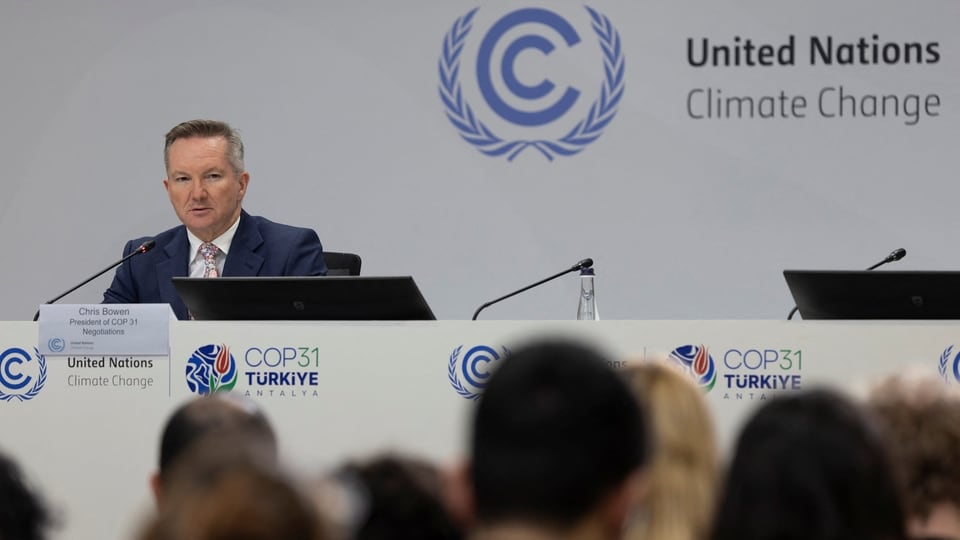
Released on Monday as the second week of the Conference of Parties began in Antalya, the 144-paragraph draft sets out issues for countries to discuss and negotiate, but is expected to undergo several changes before the conference concludes later this week. The draft will require approval from nearly 200 countries at COP31.
Early draft to allow time for conversation
Australia’s Chris Bowen, President of Negotiations at COP31 said the 144-paragraph draft will certainly undergo several changes by the end of the week, but lays bare key agendas countries can discuss and negotiate in the coming days.
“We have taken this decision to release this draft early in the COP process as compared to previous year, to really enable plenty of time for proper conversation among parties and negotiations to lead to the strongest possible outcome,” said Bowen, stating this won’t be the final draft and it had elements not all parties will agree on.
Also Read I COP31 pushes industrial electrification, responsible AI as climate priorities
The draft reiterates the Paris Agreement’s 1.5C goal, asking for any overshoot to be resolved as early as possible and proposes a “work programme” on the science of returning to the threshold. It also calls for moving away from fossil fuels, stating there is a need for “accelerated action to phase out fossil fuels including through the immediate transition away from fossil fuels in energy systems”.
Ahead of COP31, India’s Union environment minister Bhupender Yadav had said India will not support a phase-out of fossil fuels or a roadmap around it.
Climate finance and criticisms
On climate finance, the draft expresses concern over “decreasing climate finance provision” and urges full and timely implementation” of previous pledges to triple adaptation finance. The draft specifies an annual target of $120bn by 2035.
The draft also asks countries to contribute to the COP31 presidency’s “35 by 35” goal, under which electricity would account for 35% of global final energy consumption by 2035.
The proposals have drawn criticism from climate groups. 350.org, a global organisation consisting of activists and experts focused on solving the climate crisis, said the draft omitted key elements on the transition away from fossil fuels and did not ensure that the proposed electrification target would be based on renewable energy.
The organisation said the draft welcomed roadmaps for transitioning away from fossil fuels but dropped any reference to taking the work forward. It also criticised the 35% electrification target for not specifying renewable-based, Paris-aligned electrification and promoting electrification “regardless of the electricity mix”.