
 E-Paper



Fuel cuts, WFH and more: How India's neighbours are dealing with global energy crisis triggered by US-Iran war
As India takes stock of its own supply while considering aid requests, here's how its neighbours are dealing with the ongoing energy crisis.

 Prefer HTon Google


As the US-Iran war escalates and global energy flows remain disrupted, several neighbouring countries, such as Sri Lanka, Pakistan, Bangladesh, and Nepal, continue to face fuel shortages. Along with help from India, several countries have announced measures to reduce fuel and energy consumption as the war in West Asia rages on.
With India also affected by the Strait of Hormuz blockade, the Centre has stated that it has received requests for assistance from neighbouring countries.
“We have received requests from some neighbouring countries for energy exports, including diesel from Bangladesh. Domestic availability and production will be factored in before any decision is taken,” MEA spokesperson Randhir Jaiswal said earlier this week while speaking to reporters.
As India takes stock of its own supply while considering aid requests, here's how its neighbours are dealing with the ongoing energy crisis.
How India's neighbours are coping with the global energy crisis
Pakistan
Despite its role as the mediator between the United States and Iran, Pakistan saw a major hike in fuel prices. On Thursday, Petroleum Minister Ali Pervaiz Malik raised petrol prices by PKR 137.24 to PKR 458.4 per litre, a 43 per cent hike, reported Dawn.
This hike comes as Islamabad procures around 80 per cent of its crude oil from the UAE and Oman, where oil prices have reached a new high due to the ongoing conflict in the region.
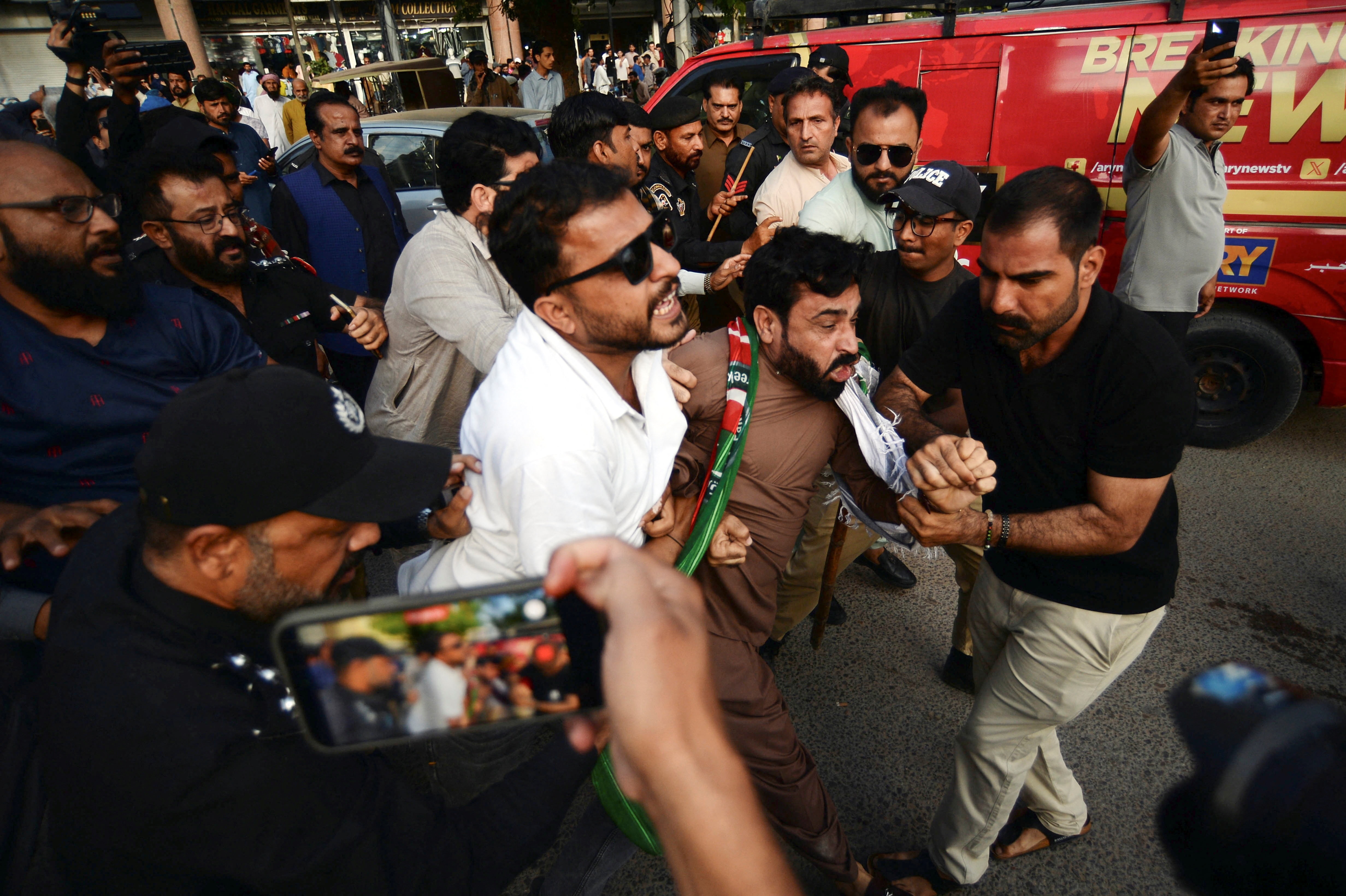
However, after protests in several Pakistani cities, Prime Minister Shehbaz Sharif said that petrol prices in the country will be cut by 80 rupees, bringing them down to PKR 378.
To manage the strain caused by the blockade of the Hormuz Strait, Pakistan also announced a four-day workweek for government offices, extended school holidays, and shifted to online classes.
Furthermore, the government also announced free public transport for the next 30 days.
Bangladesh
Bangladesh imports 95 per cent of its oil and gas from West Asia. However, the conflict between the US and Iran has left Dhaka taking stock of its energy consumption.
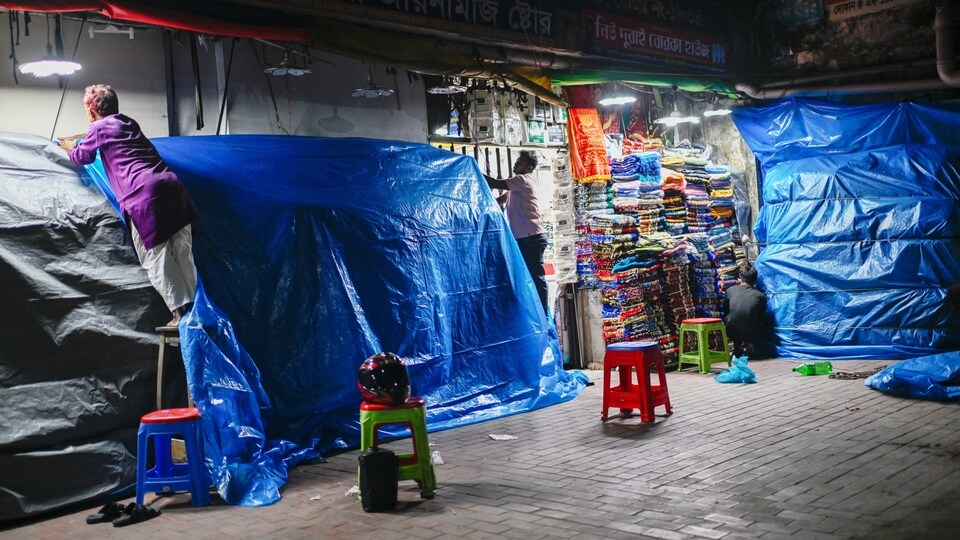
Bangladesh has cut office and shop hours to reduce energy consumption. Furthermore, decorative lighting at weddings in the nation has also been banned until further notice.
Private and government offices in Bangladesh are now required to operate from 9 AM to 4 PM, while banks will remain open from 9 AM to 3 PM.
Shopping centres in the country have been ordered to close at 6 PM. However, food outlets are expected to retain their regular hours.
Furthermore, government departments have been asked to refrain from buying vehicles and computers to reduce energy costs.
Dhaka has also set limits on fuel purchases and halted production at fertiliser factories, among other key measures.
Sri Lanka
Sri Lanka continues to cope with the economic fallout and is working to avoid a collapse similar to 2022 as the war in West Asia rages on.
Amid its energy crisis, Colombo has also received around 38,000 tonnes of fuel from India.
President Anura Kumara Dissanayake has rationed fuel, raised its price by a third and increased electricity costs by up to 40 per cent.
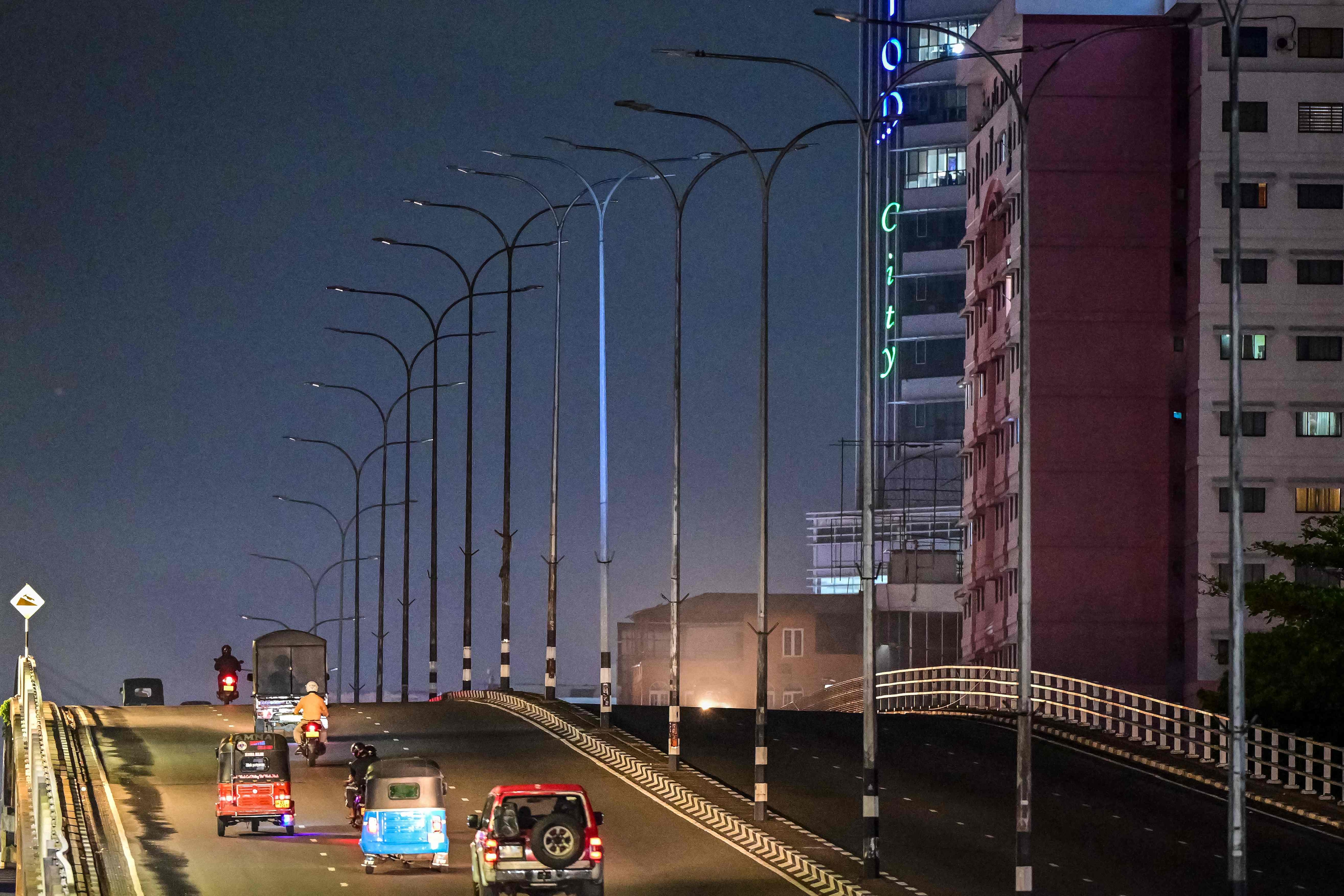
Furthermore, the government has also announced a ban on the use of street lights, neon signs and billboards due to the energy crisis.
The government has also called on state institutions to reduce the use of air conditioners; brought back work-from-home arrangements, and introduce a four-day workweek.
Nepal
The landlocked Himalayan country has also announced it will cut its working week from six days to five to cope with the ongoing energy crisis.
Until now, Nepalese workers have had only one week off, on Saturday. However, with this, a two-day weekend is back in the nation.
"Given the present uncomfortable situation caused by fuel supply, the government and educational institutions remain closed for two days," said Government spokesperson Sasmit Pokharel.
With this order, government offices will also operate from 9 AM to 5 PM from Monday to Friday.
Following this order, the Nepalese government has also stated it will review measures to convert petrol and diesel vehicles to electric power.
Amid the crisis and panic buying, Nepal also began selling half-filled gas cylinders last month.
(With inputs from AFP, Reuters and ANI)


