E-Paper



Want ships to cross Hormuz safely? Pay a toll. Report says Iran mulling new law
Iran’s parliament is drafting a bill to charge ships a fee for passing through the Strait of Hormuz, citing security and oversight of the vital waterway.

 Prefer HTon Google


As tensions continue to disrupt global energy flows, Iran is now exploring a move that could further impact operations at one of the world’s most critical shipping corridors—the Strait of Hormuz.
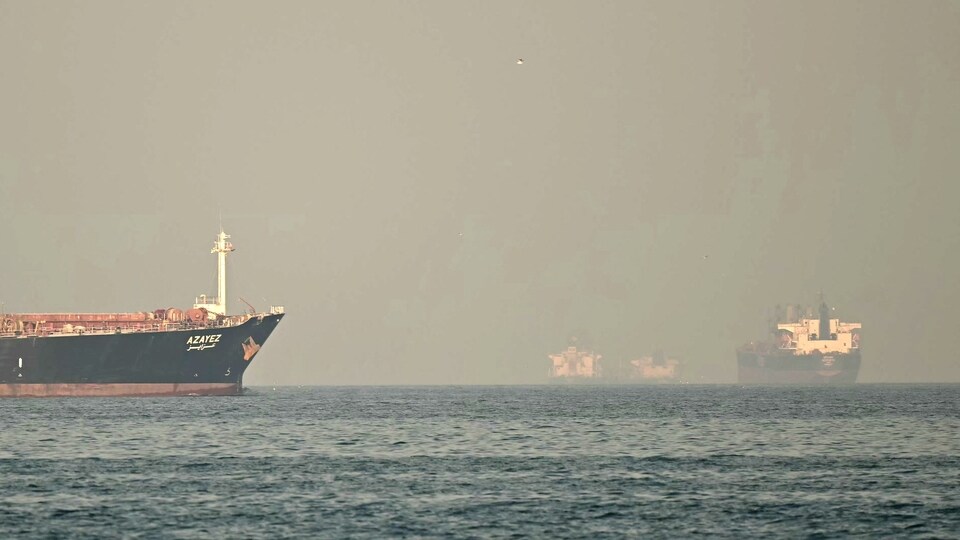
The Iranian parliament is drafting a bill that would introduce a fee for ships passing through the narrow waterway, effectively charging for security and oversight, Bloomberg reported citing semi-official Fars News Agency.
What Iran is proposing
The idea, still in the works, is expected to take clearer shape soon. The report suggests the draft could be finalised as early as next week.
“We are pursuing a proposal in which Iran’s sovereignty, control, and oversight in the Strait of Hormuz are formally recognized in law, and through the collection of tolls, a source of revenue is also created for the country,” Fars cited the lawmaker as saying.
Why this matters now
The timing of this move is significant. The Middle East conflict has now entered its fourth week, and the Strait—through which nearly a fifth of the world’s oil supply moves—has seen severe disruption.
Also read | India among ‘friendly nations’ listed by Iran for big Strait of Hormuz reprieve
Only a limited number of ships, mainly linked to China and Iran, are currently passing through. The route is effectively operating at a fraction of its usual capacity. This choke point has had a ripple effect across the energy market.
Impact on oil supply and prices
With shipping restricted, oil production in the Persian Gulf has been forced to slow down. Refineries in the region have also suffered damage due to the ongoing conflict, further tightening supply.
The result has been a sharp spike in oil prices. Global benchmark Brent crude crossed $114 per barrel earlier this week. There are also concerns about how much higher prices could go, with the administration of Donald Trump reportedly examining the economic implications of a possible surge to $200 per barrel.
Iran’s proposal adds another layer of uncertainty to an already volatile situation.
(With inputs from Bloomberg)