
 E-Paper



Iran willing to talk peace, but not with Trump or Kushner. They want...
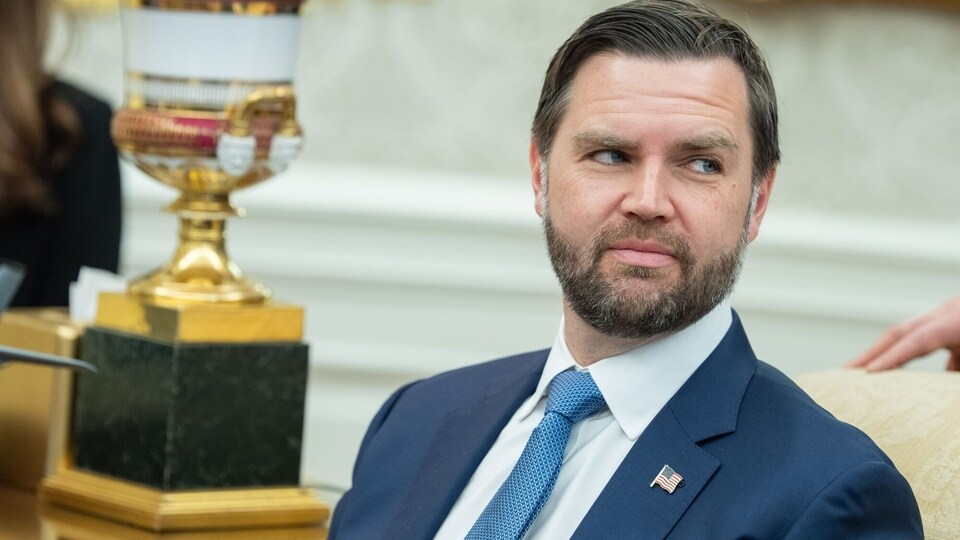
Iran officials believe that JD Vance may be more inclined toward pursuing a diplomatic end to the conflict than some other figures in the Trump administration.

 Prefer HTon Google


Iran has conveyed to the United States that it would prefer engaging in negotiations with US vice-president JD Vance rather than Donald Trump or other members of the administration as diplomatic efforts intensify to end the ongoing war, according to reports.
The message was reportedly passed to Washington through back-channel communications, with Iranian representatives indicating that talks led by US special envoy Steve Witkoff or by Jared Kushner would be unlikely to succeed because of a deep deficit of trust following the collapse of earlier negotiations before the outbreak of hostilities, CNN reported citing regional sources familiar with the issue.
Track Live Updates on US-Iran war
Iran sees Vance as more open to ending the war
The officials said Iran believes that Vance may be more inclined toward pursuing a diplomatic end to the conflict than some other figures in the administration.
“The perception is that Vance would be intent on wrapping up the conflict,” one source familiar with the discussions told CNN.
However, the same sources cautioned that entering direct negotiations could also carry risks for Vance, as reaching an agreement to end the war would likely prove complex and politically sensitive.
Despite Tehran’s preference, Iranian officials acknowledge that the final decision on who represents Washington in negotiations rests with US President Donald Trump.
White House press secretary Karoline Leavitt said Trump alone would determine the US negotiating team. According to her, multiple senior officials - including Vance, secretary of state Marco Rubio, Witkoff and Kushner - are involved in the broader diplomatic effort.
A separate White House official dismissed the reports about Iran’s preference as an attempt by regional actors to influence US policy, calling it a “coordinated foreign propaganda campaign meant to undermine the president.”
Possibility of talks in Pakistan
Diplomatic activity around a potential ceasefire has intensified in recent days. According to reports, discussions are underway about holding a meeting between US and Iranian representatives later this week in Islamabad, with Pakistan offering to host the talks.
Still, officials involved in the mediation efforts remain skeptical about whether such a meeting will actually take place, given the continuing hostilities and deep mistrust between the two sides.
Several countries, including Pakistan, Turkey, Egypt and Oman, are believed to be acting as intermediaries, passing messages between Washington and Tehran in an attempt to broker both a ceasefire and the reopening of the strategically vital Strait of Hormuz.
Diplomacy amid escalating war
The diplomatic manoeuvring comes even as the conflict continues and the United States moves additional military forces into the Middle East.
Trump has said the US is seeking assurances that Iran will not develop nuclear weapons and has outlined a set of demands as part of a potential settlement framework. At the same time, Iranian officials have publicly denied that direct negotiations with Washington are taking place.
Despite the conflicting signals, back-channel exchanges through intermediaries suggest both sides may be testing the possibility of renewed talks - even as the war continues on the ground.


