
 E-Paper



Nuclear curbs to Hormuz: The 3 sticking points in US-Iran peace talks explained
Iran has declined to participate in a second round of negotiations with the US.


Negotiations between the US and Iran remain deadlocked, with both sides struggling to bridge differences as a fragile ceasefire nears expiry.
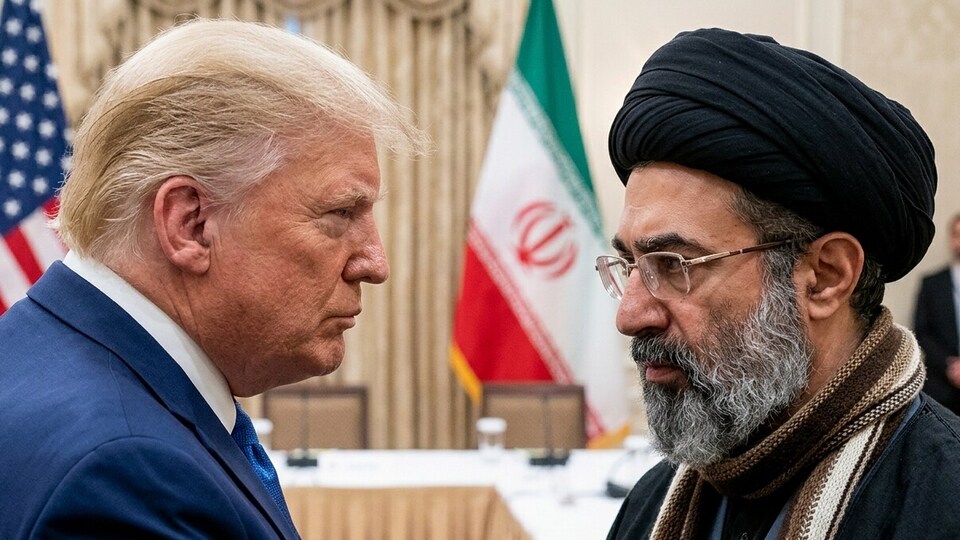
Tehran has reportedly declined to participate in a second round of negotiations over Washington’s “unrealistic” demands and the continued naval blockade of the Strait of Hormuz.
Despite claims of progress from Washington, Iranian officials insist a final agreement is still distant.
3 issues of US-Iran peace deal
Iran’s enriched uranium
A major obstacle is what happens to Iran’s stockpile of highly enriched uranium. The US wants Tehran to transfer or surrender the material to eliminate any pathway to nuclear weapons.
Iran has rejected this outright, calling it unacceptable. Instead, it is demanding sanctions relief and access to billions of dollars in frozen funds as part of any compromise.
Washington is also pushing for a long-term halt to uranium enrichment, while Iran insists it has the right to enrich uranium for civilian use under international agreements. Proposals ranging from a temporary pause to a complete shutdown have been floated, but neither side has agreed on the scope or duration of restrictions.
Strait of Hormuz standoff
The Strait of Hormuz, vital for global oil shipments, is Iran’s most important bargaining chip to end the war.
The US wants immediate and unrestricted passage for commercial shipping. Iran, though, has tightened control over the waterway, slowed vessel movement, and said it may impose new conditions if the US naval blockade doesn’t stop.
The Hormuz Strait was already open ahead of the unprovoked US-Israeli war on Iran that began on February 28.
Sanctions relief and frozen assets
Iran has been under heavy international sanctions for years and wants all US and global restrictions lifted as part of any deal.
Iran's Parliament speaker Mohammad Bagher Ghalibaf earlier said about $120 billion in frozen Iranian funds must be released.
US negotiators remain reluctant to agree to large concessions, particularly before concrete nuclear commitments are secured. Iran’s support for regional groups such as Lebanon-based Hezbollah and others also remain a core concern for the US and its allies.
First round of US-Iran talks
The opening round of high-stakes negotiations between Washington and Tehran was held in Islamabad on April 11. Brokered by Pakistan, the discussions stretched 21 hours and involved direct and backchannel exchanges.
Talks, then, focused on the same key points - Iran’s nuclear programme, sanctions relief, access to frozen assets, and the status of the Strait of Hormuz.
Despite the lengthy negotiations, no agreement or formal framework came to pass. Vance later said Iran had “not accepted” US terms and Tehran called Washington’s demands unreasonable.


