
 E-Paper



‘Use of nuclear weapons can never be justified’: Rahul Gandhi on Trump's ‘civilization will die’ threat to Iran
“Any language or action that contemplates the end of civilisation is unacceptable in the modern world,” Gandhi said, referring to Trump's “tonight” claim

 Prefer HTon Google


India's Leader of Opposition Rahul Gandhi issued a stark warning against the use of nuclear weapons, and even rhetoric to that effect, on Tuesday, as the United States military conflict with Iran entered a dangerous new phase ahead of President Donald Trump's new threats just hour before his “deadline” for Iran to reopen key oil route Strait of Hormuz.
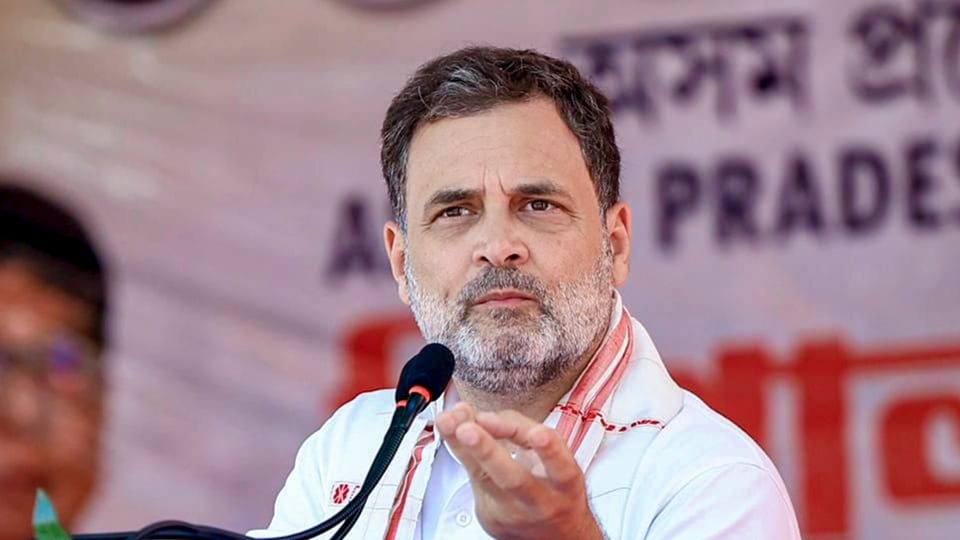
"Wars are tragic, yet they remain a reality," Gandhi said in a statement on X.
"Any language or action that contemplates the end of civilisation is unacceptable in the modern world. The use of nuclear weapons can never be justified — under any circumstances," he added.
Follow | Live updates on the US-Iran war
The statement came hours after Trump made one of his most alarming pronouncements yet in the ongoing US-Iran conflict.
He declared that "a whole civilization will die tonight," setting an 8 p.m. ET Tuesday (5:30 am IST Wednesday) deadline for Tehran to reopen the Persian Gulf waterway or face strikes on civilian infrastructure, including power plants and bridges.
Theories and fears of nuke use came up after US Vice President JD Vance warned that Washington had additional "tools in our toolkit" that could be deployed against Tehran. The White House later pushed back on Tuesday against these theories, saying that "literally nothing" Vance said implied the US would use nukes.
What's the fear?
Trump earlier told reporters that "the entire country" of Iran “can be taken out in one night”.
When pressed about whether strikes on civilian infrastructure would amount to war crimes, Trump said he was “not worried” about that; and asserted that the “real” war crime was “allowing Iran to have a nuclear weapon.”
Tehran has asserted for years that its nuclear programme is for power generation, not for bombs. Trump, however, has rejected that and broke earlier US pacts with Iran.
The Narendra Modi government has maintained a studied “strategic autonomy” that critics, including Gandhi and his party the Congress, have called inadequate and “immoral”.
Officially, India urged all parties to exercise restraint, with Prime Minister Modi advocating the pursuit of “dialogue and diplomacy”. Tehran has been requesting India for a BRICS intervention as Delhi currently chairs the group.
Rahul Gandhi had previously described the foreign policy of the Modi government as a “joke”, particularly after reports emerged of neighbouring Pakistan positioning itself as the major mediator for ending the war.
The conflict has led to some direct economic pain for India, as it has for many other countries due to the oil squeeze. It has led to a shortage of LPG supply for commercial users.
The Opposition particularly questioned why Modi visited Israel just two days before the war began and had pledged solidarity in general.
But the BJP-led government said at an all-party meeting that PM Modi has conveyed to President Trump that the war must end soon. India has kept channels open with Iran too, even getting oil tanker passage via the Strait of Hormuz as a “friendly” gesture.
Modi also told Parliament: “From the beginning, we have expressed deep concern over this conflict. I myself have spoken with all relevant leaders in West Asia. I have urged them to reduce tensions and end the conflict. India has opposed attacks on civilians, energy, and transport-related infrastructure.” In this statement, he condemned the obstruction of the strait (by Iran) but did not name Iran, nor did he mention the US-Israeli strikes as such. The Opposition led by the Congress had walked out demanding a fuller debate.
India first tested nuclear weapons when Rahul's grandmother Indira Gandhi was PM, in 1974; and a second round of tests was conducted in 1998 when Atal Bihari Vajpayee was PM in a BJP-led coalition regime. The country has maintained a No First Use (NFU) policy no matter which party is in power.


