
 E-Paper



US slows arms sales to Saudi Arabia, UAE for review
The UAE deal includes $10.4 billion for 50 F-35A model jets, $10 billion for different models of air-to-ground and other munitions and $2.9 billion for 19 MQ-9 Reaper drones capable of carrying munitions plus ground equipment.

 Prefer HTon Google


The US put a temporary hold on some of its largest pending arms sales, including a Trump administration effort to sell F-35 jets to the United Arab Emirates and smart bombs to Saudi Arabia, according to a State Department official.
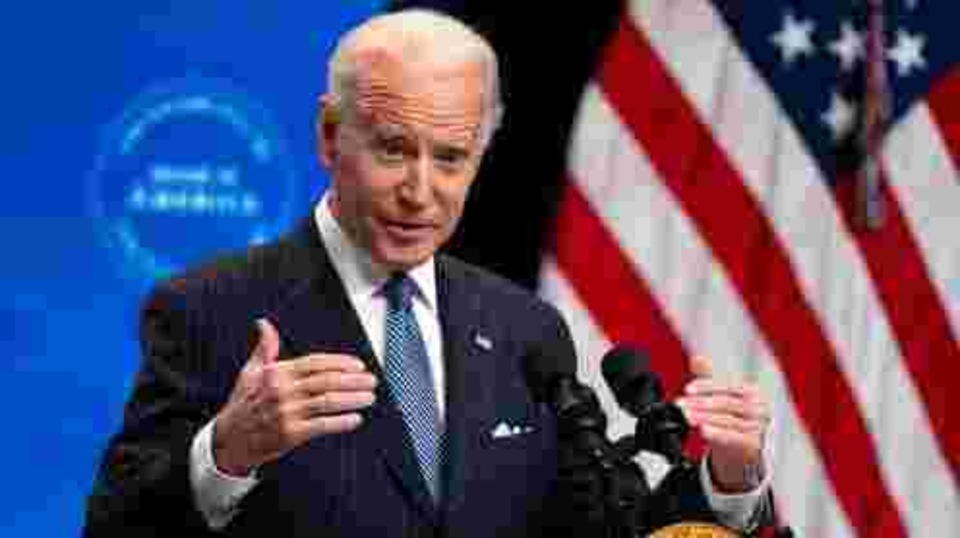
The department is pausing the implementation of these agreements and others to allow the new Biden administration an opportunity to determine whether they meet current US objectives, said the official, who asked not to be identified.
The official characterized the pause as routine. It wasn’t clear how long it may be in place.
The hold includes one on the UAE’s long-sought effort to acquire Lockheed Martin Corp.-built F-35s, a request that was granted in the final months of the Trump administration after the Gulf Arab nation reached a peace deal with Israel. The arms agreement has already cleared Congress, although even without the latest delay it could take years to finalize.
The Biden administration would likely be loath to cancel the UAE deal because it could put at risk that nation’s peace agreement with Israel -- a Trump administration accomplishment that’s been praised by President Joe Biden.
The UAE ambassador to the US, Yousef Al Otaiba, tweeted that his country “will work closely with the Biden Administration on a comprehensive approach to Middle East peace and stability.
“As in previous transitions, the UAE anticipated a review of current policies by the new administration,” he added. There was no official Saudi reaction.
The UAE deal includes $10.4 billion for 50 F-35A model jets, $10 billion for different models of air-to-ground and other munitions and $2.9 billion for 19 MQ-9 Reaper drones capable of carrying munitions plus ground equipment.
The US pause also includes a hold on issuing a formal commercial license to Raytheon Technologies Corp. to sell Saudi Arabia 7,500 precision-guided, air-to-ground munitions valued at $478 million. Raytheon can sell the weapons directly to the Saudi government after receiving the license.
Raytheon officials previewed the sales pause to analysts on Tuesday during the company’s fourth quarter earnings call, though they didn’t name the country or munitions involved.
Raytheon’s Chief Executive Officer Gregory Hayes said “we had assumed that we were going to get a license to provide these offensive weapon systems to our customer.” But “with the change in administration, it becomes less likely that we’re going to be able to get a license for this and so we appropriately decided that we could no longer support the booking of that contract” as a sale.
Included in the pending sale are Raytheon’s Paveway IV smart bomb, the most advanced version of which includes inertial navigation/GPS and laser-guidance for all-weather attacks. The US had sold about 8,000 earlier model Paveways as part of a 2015 deal that included about 5,000 other munitions.


