
 E-Paper



What Netflix’s layoffs mean for other companies; Inflation ripple effects
Plus, the AI boom is supercharging Wall Street profits.


 Prefer HTon Google


Good morning. In light of slower growth expectations and declining user engagement, Netflix is the latest tech and entertainment company to resort to job cuts amid a challenging economic environment.
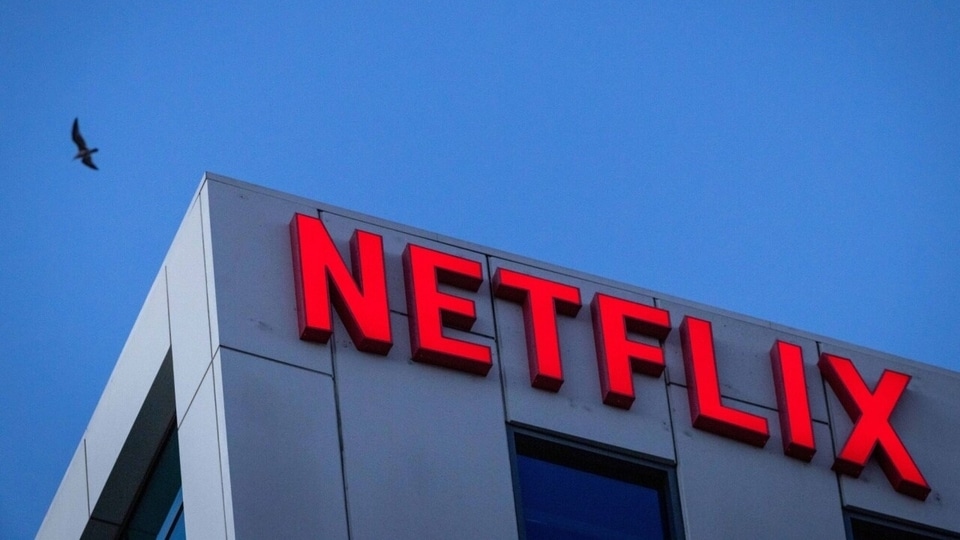
The roughly 1,000 lost jobs mark the biggest round of layoffs since 2022 for the company, my colleagues Joe Flint and Jessica Toonkel report in an exclusive for The Wall Street Journal. Co-Chief Executives Greg Peters and Ted Sarandos noted that most of the cuts would be from the product, tech, legal and human-resources teams.
Key C-suite comment: “Our mission—to entertain the world—is ambitious, and delivering on it requires us to be disciplined about where we prioritize our people and resources,” the executives wrote in an email to employees Wednesday morning.
I asked Joe, the Journal’s media and entertainment reporter based in the Los Angeles bureau, to put these cuts into context.
What’s your take on this move? Are these cuts AI-related?
The people I’ve talked to at Netflix stressed this is not AI-related. Interestingly, a person familiar with the situation there said the company didn’t want to use the AI boogeyman as the cause of cuts. The implication being that some companies are attributing layoffs to better tech when it is really just cost-cutting.
What message does this send to other executives at major U.S. companies?
We are seeing lots of cuts in the entertainment and tech space lately. Each situation is somewhat unique, but if there is an overarching theme in entertainment, it is that the traditional avenues of growth in streaming—subscriptions and advertising—are becoming more challenging. Netflix has seen engagement—the amount of time people spend on the platform—slow and that is a concern. This is why we see them and other streamers investing in more live content such as sports, which also happens to be the most expensive content.
Netflix said it wants to “invest aggressively in high impact areas.” What does that mean exactly?
In their memo to staff, co-CEOs Sarandos and Peters said they need to “prioritize our people and resources.” Just going off that, I’d say it’s a recognition of a much more competitive landscape, which means being able to continue to invest aggressively in programming that will improve engagement time on the platform. That is one of the metrics Netflix views as crucial.
The Day Ahead
📆 Earnings
Alcoa, Bank of New York Mellon, Charles Schwab, Interactive Brokers Group, J.B. Hunt Transport Services, Marsh & McLennan, PNC Financial Services Group, Prologis, and U.S. Bancorp
📈 Economic Indicators
The Census Bureau reports retail sales data for September.
The BLS releases the producer-price index for September.
Forwarded this email by a friend? Sign Up Here ›
What Else I’m Watching
OpenAI is turning the tables on Apple in their trade secret theft case, my Journal colleague Rolfe Winkler reports.
The ChatGPT-maker claimed in a legal filing Wednesday that an employee who left for Apple sent himself more than 100 “highly confidential” files about at least one unreleased OpenAI device under development. The filing is the latest development in the ongoing case that Apple filed against OpenAI in July, claiming that its own confidential information had been taken by employees who left for its AI rival.
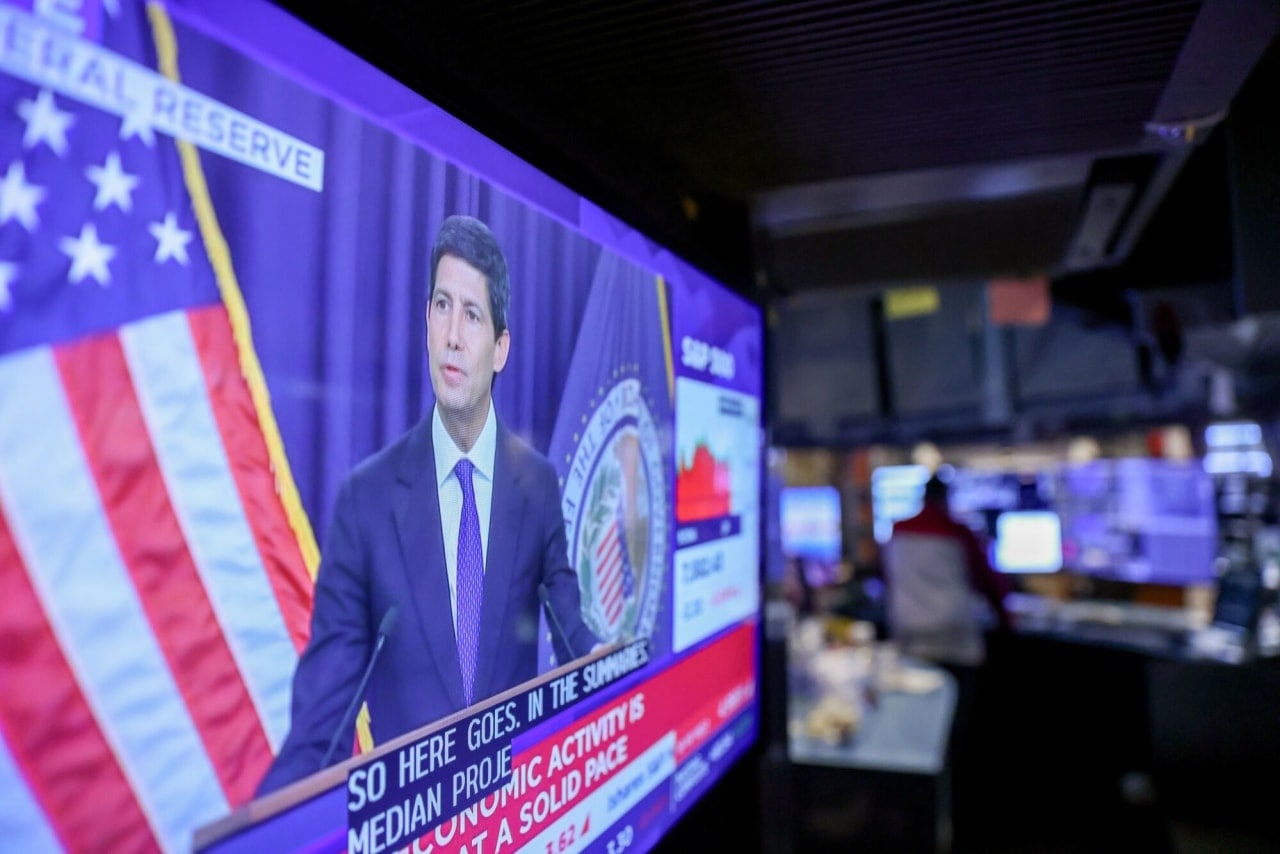
Inflation picked up in September, a sign that high energy prices are tightening their squeeze on consumers ahead of next month’s midterm elections.
Consumer prices were up 3.7% in September from a year earlier, the Labor Department said Wednesday, hotter than August’s gain of 3.4%. That was above the 3.6% rise expected by economists surveyed by The Wall Street Journal.
- Hot Inflation Reading Bolsters Case for Another Fed Rate Increase
- Inflation Jump Will Push Social Security Benefits Up 3.6%
- Podcast: Red, White and Who? The Inflation Election
📰 Other headlines
- The AI Boom Is Supercharging Wall Street’s Profits
- Wall Street Worries Bank of America’s Problems Will Linger
- Rising Rates Threaten Wall Street’s Golden Goose in Trading
- Oil Prices Rise as Traders Weigh Saudi Aramco Attack Report, Hormuz Shipping Risks
- Gas Exporter Venture Global Wants to Get In on AI Power Boom
- Mark Zuckerberg Versus the Pint of Guinness
- Big Pharma Is Pouring Billions Into a New Class of ‘Protein Degrader’ Drugs
- A Swiss Banking Giant Thinks the Unthinkable: Moving Out of Switzerland
- Ambani’s Jio Seeks $108 Billion Valuation in Landmark India IPO
- With China Facing More Trade Barriers, It Can’t Afford to Lose Europe
📈 Earnings wrap-up
- Anthropic’s Quarterly Revenue Jumped 45% to Nearly $17 Billion
- Fastenal Profit Up as Spending Climbs
- Bank of America Settlement Charge Hits Profit, Morgan Stanley Profit Climbs
- TSMC Reports 69% Jump in Third-Quarter Net Profit
- Ericsson Shares Surge on Strong Sales of Network Gear
For more earnings news, click here.
The Big Number
Percentage stake that Berkshire Hathaway has built up in Bending Spoons, the serial acquirer of digital-subscription and software companies.
The WSJ CFO & COO Council
The WSJ CFO & COO Council convenes the world’s top financial leaders so they can gain perspective on navigating market uncertainty, aligning priorities and making decisions that deliver measurable results. Join this trusted community where CFOs and COOs exchange approaches, access strategic insights and continuously sharpen their influence across the enterprise.
About Us
The WSJ Leadership Institute’s CFO Journal offers corporate leaders and professionals CFO analysis, advice and commentary to make informed decisions. We cover topics including corporate tax, accounting, regulation, capital markets, management and strategy.
Follow us on X @WSJCFO. The WSJ CFO Journal Team comprises reporters Kristin Broughton, Jennifer Williams and Bureau Chief Walden Siew.
You can reach us by replying to any newsletter, or email Walden at walden.siew@wsj.com.


