
 E-Paper



Zero active cases: How New Zealand eliminated Covid-19
Prime Minister Jacinda Ardern announced New Zealand will move from midnight on Monday to alert level 1 under which life returns almost to normal.

 Prefer HTon Google


At a time when the world is grappling with the fast-spreading Covid-19, New Zealand has announced that it has eradicated the novel coronavirus which causes the disease.
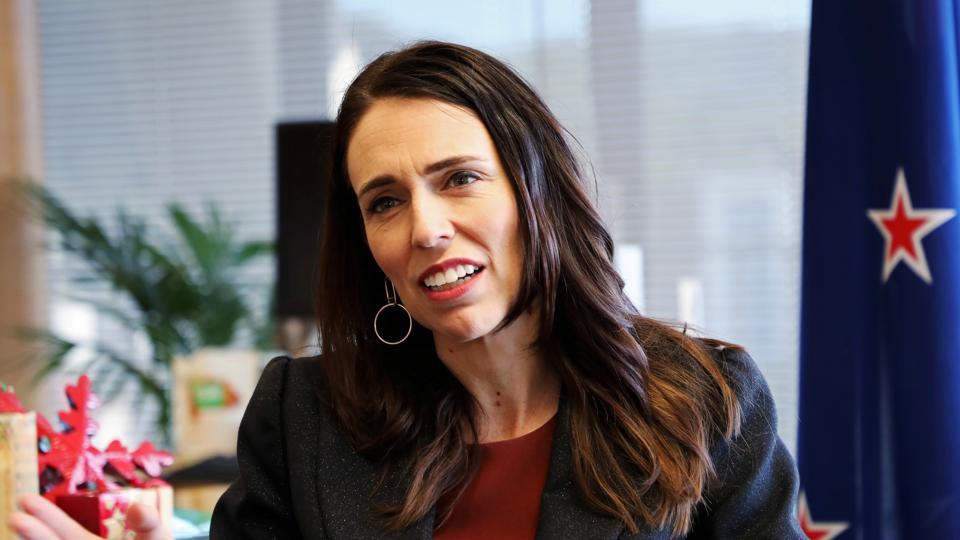
The stunning announcement came on Monday when the country’s health officials said that it has no active cases of Covid-19. The Pacific island nation is among only a handful of countries that have emerged from the pandemic, which first gripped the United States and has now turned Latin American into a hotspot.
It has been 17 days since the last new case was reported in New Zealand, and Monday also marked the first time since late February that there have been no active cases.
So how did they do it?
New Zealand enforced a strict lockdown for nearly seven weeks, in which most businesses were shut and everyone except essential workers had to stay at home.
Experts say that its isolated location in the South Pacific also gave New Zealand vital time to see how outbreaks spread in other countries. Just over 1,500 people contracted the virus in New Zealand, including 22 who died.
New Zealand’s Health Ministry said in a statement on Monday that the last person who was being monitored for coronavirus had recovered.
The officials, however, caution that new cases could be imported into the country, which has closed its borders to everybody but citizens and residents, with some exceptions.
How was lockdown implemented in New Zealand?
The country of five million people has pursued an elimination strategy to beat coronavirus, rather than just aiming to contain the disease.
Elimination did not mean eradicating the virus permanently from New Zealand, but eliminating “chains of transmission” for at least 28 consecutive days after the last infected person left isolation, which would be on June 15, the ministry said.
And this was done by the strict lockdown put in palce by the Jacinda Ardern government.
What now?
New Zealand has decided to move to national Alert Level 1 from the current Level 2. New Zealand’s Prime Minister Jacinda Ardern said on Monday that all coronavirus measures in the country will be lifted from Tuesday, barring border closure restrictions.
She said public and private events can go on without restrictions, retail and hospitality sectors can operate normally, and all public transport can resume.
“Having no active cases for the first time since February 28 is certainly a significant mark in our journey but as we’ve previously said, ongoing vigilance against Covid-19 will continue to be essential,” Director-General of Health Dr Ashley Bloomfield said in the statement.


