
 E-Paper



Review: When We Are Strangers by Vazira Zamindar and Sarnath Banerjee
Set during the nonviolent anti-colonial Khudai Khidmatgar movement, this graphic novel is an appeal to overcome divisiveness

 Prefer HTon Google


When I was 11, my best friend and I created an elaborate plan to steal back the Kohinoor from the British. Hunched over a piece of paper torn out from the back of my school diary, we sketched out the most minute details, including using Frooti to distract the guards away from their positions. I will admit, the plan was not foolproof, but we were determined to correct an injustice done to our people. Fast forward to 2015, the first (and last) time I visited the British Museum in London on a dreary winter morning. I felt that same resentment welling up as I walked, with my hands clenched in my coat pockets, through floors of stolen artifacts and treasures from colonised cultures and people around the world.
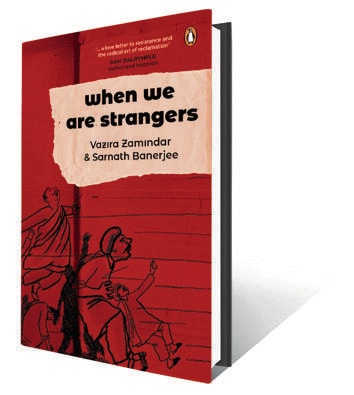
When We Are Strangers by historian Vazira Zamindar and artist Sarnath Banerjee starts as a heist story. I was immediately hooked. As a long-time admirer of Sarnath’s work, I was excited with this latest offering, just a few short months after his now critically acclaimed book Absolute Jaffar hit the stands.
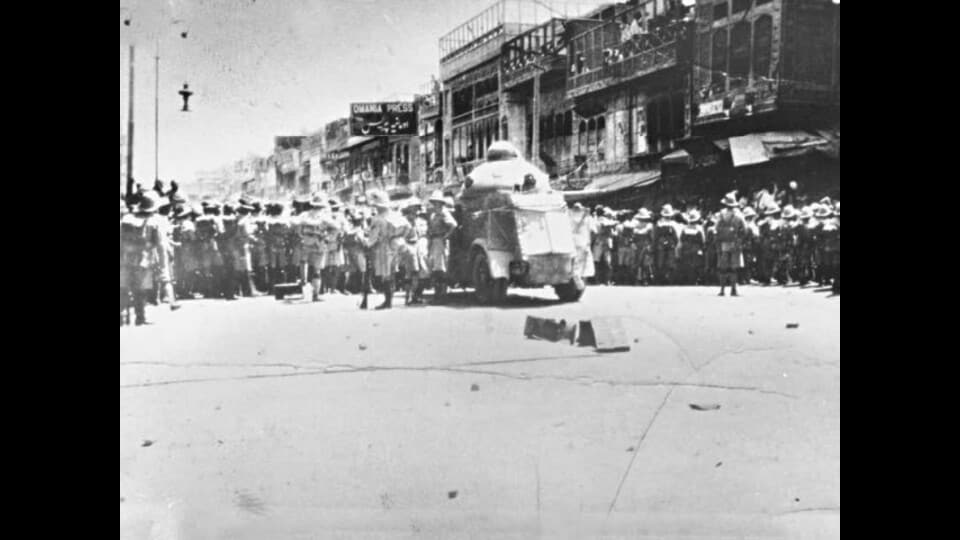
Set during Khudai Khidmatgar, a nonviolent anti-colonial movement, the book follows the story of two friends, Sita and Mahmud, who set out to reclaim a statue of the Buddha stolen by the British. Founded by Pashtun resistance leader Bacha Khan, Khudai Khidmatgar’s story is often overlooked in retellings of our freedom movement. The book explores the aftermath of the Qissa Khwani massacre, the horrifying mass killings of peaceful unarmed freedom fighters by the British Indian Army in Peshawar, and the camaraderie between Khan and Gandhi as they walked together to repair the fraught relationship between communities divided by colonial interests.
The collage-style layout, developed by graphic designer Veronica Borsani, juxtaposed with Sarnath’s vivid illustrations complement the story and genre well. Cutouts of maps, archival material, photographs, pieces of tape, sit alongside and sometimes under, the artwork. Alongside short, thoughtful prose by Vazira, the book feels like a lost journal with a story that urgently needs to be told. Expressive, haunting, and jarring at times, the book’s visual language is unique and refreshing.

Based on our past, When We Are Strangers feels like it’s calling out to activists, leaders and social movements of today. The book starts with the words “We were not always estranged, fearful of each other as we are now”, and this stuck with me throughout. Our politics are as divisive as ever, and we remain under a constant shadow of uncertainty, violence, and unrest. The British Empire’s “divide and rule” strategy continues to be a favourite.

When We Are Strangers speaks in affirmations, not negations. Its four chapters are called “Acts of Love”, ending with the most important and most difficult act being to walk together. It reminded me of the powerful quote by bell hooks “The moment we choose to love we begin to move against domination, against oppression... The choice to love is a choice to connect — to find ourselves in the other.” The book is a timely appeal to stand alongside each other as we find ourselves at a significant crossroads, faced with choices that will shape who we are and what kind of people we will become.
Rachita Taneja is the creator of the webcomic Sanitary Panels.


