
 E-Paper



The murder mystery that changed the rules of the game
On Agatha Christie’s 136th birth anniversary, a look at one of her enduring classics, The Murder of Roger Ackroyd

 Prefer HTon Google


“Mrs Ferrars died on the night of the 16th-17th September — a Thursday.”

The opening line of The Murder of Roger Ackroyd isn’t dramatic. It is precise and factual. But when Agatha Christie wrote it in 1926, she was beginning a novel that would permanently change what readers thought a detective story was allowed to do.
A century later, it remains one of the landmarks of crime fiction — not because of its solution, but because of the argument that solution started about how a mystery should be told.
The setting is familiar. In the peaceful English village of King’s Abbot, wealthy industrialist Roger Ackroyd is found murdered in his study. Ackroyd has recently learned that his fiancée, Mrs Ferrars, killed her abusive husband and was subsequently blackmailed. On the night of his death, he receives a letter that appears to identify the blackmailer.
Enter Hercule Poirot, retired and living nearby.
As he questions servants, relatives, and neighbours, the respectable surface of the village starts to crack. Everyone has something to hide. The reader gets clues, red herrings, apparently useful information — and then a revelation that changes everything.
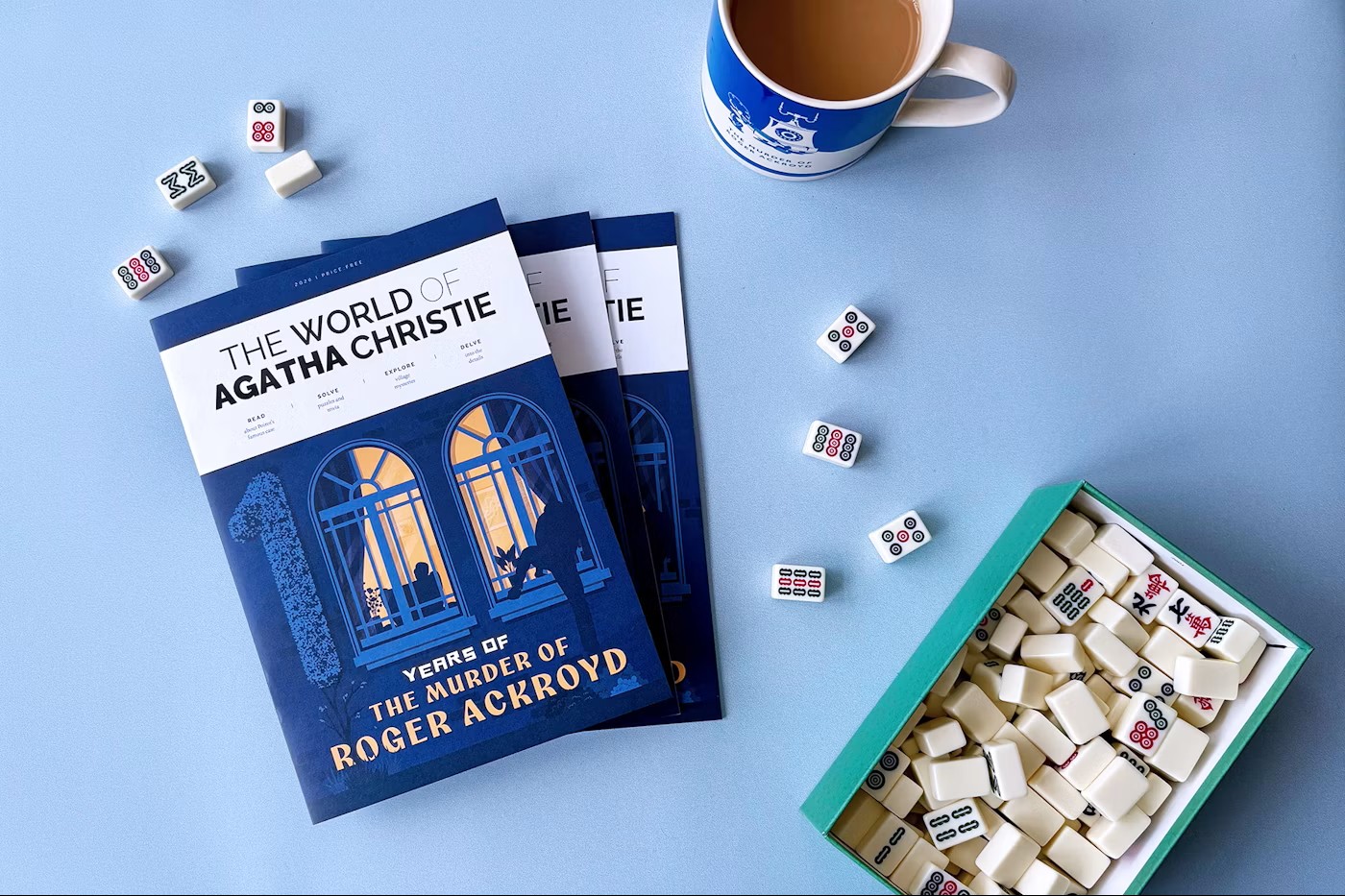
That revelation is now part of literary history. What’s easy to miss, a 100 years on, is how radical the method was.
The classic detective novel of the period ran on an implicit bargain between writer and reader: the author presents the clues, the reader tries to solve the crime. The story could misdirect, conceal, distract, but the rules were supposed to stay intact. The Golden Age detective story was built around this game.
A 2020 paper in the Arab World English Journal describes the form as the “clue-puzzle story”, with its familiar sequence of discovery, red herrings, clues and eventual dénouement — the solution that untangles and ties up the action. The setting, too, was often deliberately contained: a country house, a village, a locked room, somewhere the number of suspects could be controlled and the mystery turned into a puzzle for the reader.
But some of those rules were less formal than readers assumed.
Fair play, unofficially
Agatha Christie historian Chris Chan says readers had developed their own ideas about what counted as fair play even before mystery writers such as SS Van Dine and Monsignor Ronald Knox published their lists of rules for detective fiction.
“A lot of readers had false assumptions about what was considered permissible fair play and what wasn’t,” he says. “Christie broke many of the rules that Van Dine and Knox later set out. In many ways, she was testing the boundaries of rules readers thought existed.”
Chan compares this to the old “Columbus’s egg” story: when Columbus’s critics say an egg can’t stand on its point, he flattens the tip and makes it stand. “There was no rule forbidding it,” he says. The same logic runs through the classic nine-dots puzzle, where the solution depends on stepping outside boundaries that only exist in the solver’s head.
Christie did something similar with detective fiction. She didn’t hide a clue; she exploited something readers rarely think to question: the person telling them the story.
Dr James Sheppard, the village doctor and the novel’s narrator, seems entirely trustworthy from the start. He’s respectable, observant, and helpful, a familiar figure in detective fiction. Readers of Arthur Conan Doyle had been trained to trust Dr Watson, the sensible narrator who accompanies Sherlock Holmes and records his deductions.
Christie took that expectation and turned it inside out.
The narrator you were trained to trust
Chan sees this as part of a much larger shift in storytelling. “The concept of the ‘unreliable narrator’ wasn’t coined until the 1960s,” he says. “Christie started a radical paradigm shift that innovated storytelling.”
In The Murder Game: Play, Puzzles and the Golden Age, John Curran writes that Christie played “a game with the broader game of detective fiction”. “And because there was no indication that she was playing this game-within-a-game – and there was no obligation on her to do so – her solution was a gasp-inducing one: the narrator did it,” he writes.
Christie, he argues, uses a “judicious blend of inclusion and omission” so that Sheppard tells the truth while concealing the whole truth. His account is full of innocuous-seeming phrases whose significance only becomes clear later. What matters isn’t just what Sheppard says, but what he leaves the reader to assume.
Readers are given information, but not the questions they need to ask about it. Take the events around Ackroyd’s death. Sheppard records what happens with real care, but his account has gaps and ambiguities that look suspicious only in hindsight. Curran points to the missing minutes in his account of the evening: the information needed to question the timeline is sitting there in plain sight. The reader has the clue; the problem is recognising it as one.
Chan makes a similar point about the questions readers fail to ask. “A lot of the novel’s clues centre around unasked questions,” he says. “For example, why wasn’t Mrs Ferrars caught for her husband’s murder? The book never raises that question seriously until Poirot’s summation. Once the reader starts raising questions, the answers lead directly to the guilty party.”
This is what makes The Murder of Roger Ackroyd such an ingenious piece of reader manipulation. Christie didn’t just conceal information. She made readers complicit in the concealment, by relying on their assumptions about what a narrator is supposed to do.
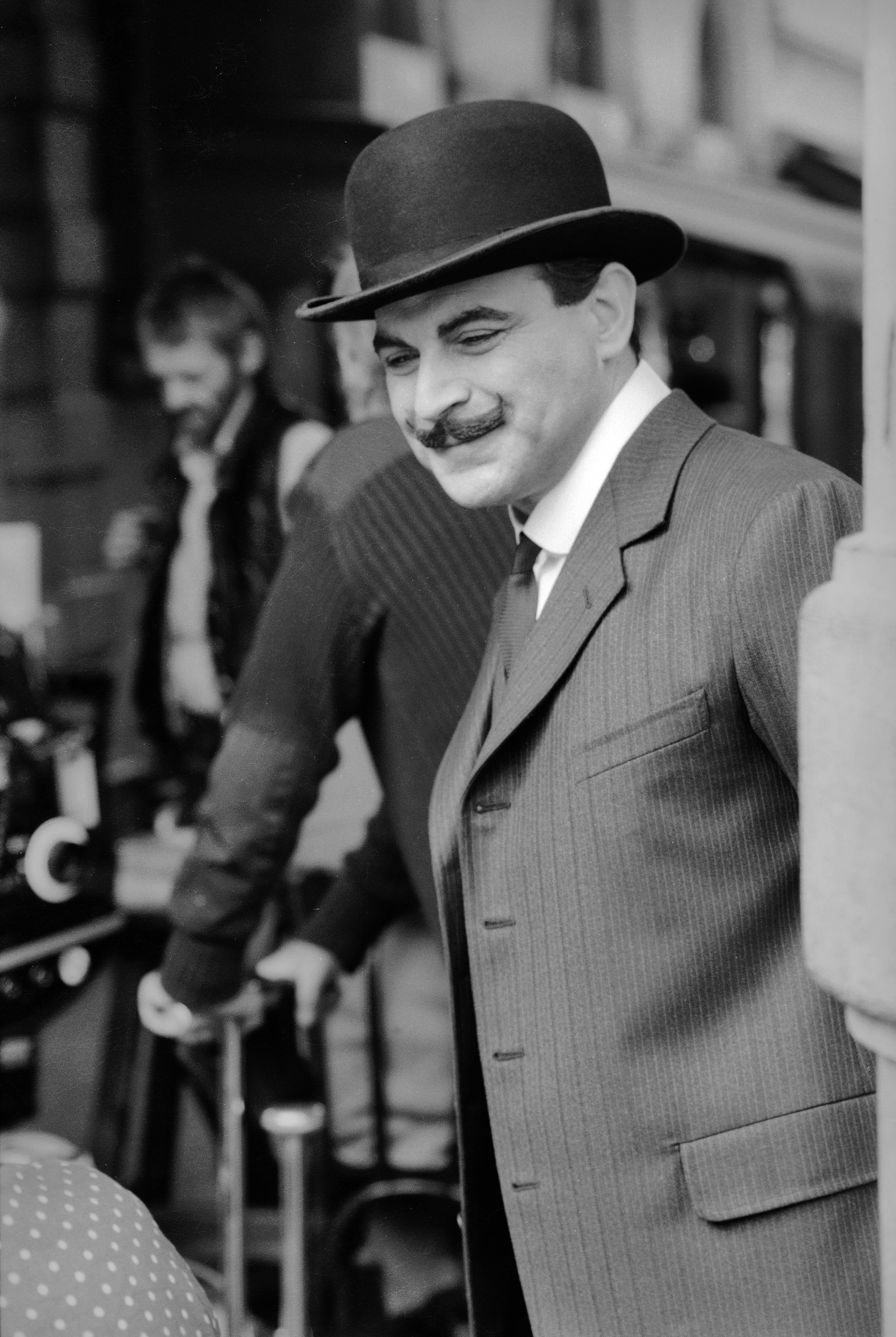
That helps explain the controversy the book caused. American critic Edmund Wilson, no fan of detective fiction, wrote two essays attacking the genre, including Who Cares Who Killed Roger Ackroyd? His irritation lasted. Why Do People Read Detective Stories? appeared almost two decades later. But Wilson’s objections didn’t stop the book from becoming a classic. If anything, the argument around it helped turn it into a legend.
There’s an irony here: a book often dismissed as popular fiction became a lasting subject of literary debate because it exposed the machinery of popular fiction so well.
The reader as accomplice
Christie arrived at her audacity at a moment when detective fiction was still working out its own conventions. She wasn’t breaking rules that existed; she was testing the boundaries of rules readers assumed existed.
Christie also did something else that gave the book its longevity: she made the reader part of the story. Jennifer Monteiro, in her study Decoding the Role of the Reader in The Murder of Roger Ackroyd, argues that the ending deliberately blurs the line between writer, character and reader. The final chapter, Apologia, turns Sheppard’s narrative into a confession and forces the reader to reckon with the strange relationship they’ve had with him all along.
The pleasure of detective fiction, Monteiro argues, isn’t simply receiving the detective’s explanation at the end; it’s in the reader’s “own attempt to make sense of apparent chaos and work out the killer beneath the layers of deception”. Christie understood that the best way to sharpen that pleasure was occasionally to change the rules of the game.
Curran compares the experience to a bullfight, drawing on a 1949 review of Christie by Ralph Partridge: the detective writer is the matador, the reader the bull, charging after red herrings while the author keeps the real target just out of reach. Curran argues the analogy fits Roger Ackroyd especially well as Christie lets the reader come unusually close to the truth without quite letting them grasp it.
What was once a controversial experiment is now a familiar technique. Contemporary thrillers routinely play with narrators whose accounts can’t be taken at face value. Gone Girl and The Silent Patient both depend, in different ways, on the reader trusting a voice before that trust is turned against them.
Yet The Murder of Roger Ackroyd hasn’t been reduced to a clever trick. Part of its staying power comes from the world Christie built around it: the small village, the contained cast, the polite conversations concealing private histories.
Poirot isn’t merely solving a murder; he’s restoring order to a world where appearances have stopped meaning what they seem to mean. That may be why the novel feels different from a simple puzzle, and why it remains one of the finest examples of the whodunnit.
Curran says it all. “The revelation of the identity of the murderer of Roger Ackroyd catapulted the book into Golden Age immortality and ensured that Agatha Christie’s reputation would be forever celebrated,” he writes. “In just his third full-length investigation Hercule Poirot puts his little grey cells to work – and King’s Abbot, and the world of detective fiction, was never the same again.”
Teja Lele is an independent editor and writes on books, travel and lifestyle.


