
 E-Paper



Kerala’s Tirur betel leaves, bonding India and Pakistan over paan, get GI tag
The GI tag is an official stamping on items— agricultural, natural or manufactured products— that is expected to drive up demand and sales


When Imran Khan became Pakistan Prime Minister, a Kerala newspaper ran a story asking whether he would save the state’s Tirur’s betel leaves. It was a throwback to the heights of popularity enjoyed by the betel leaves that originate from the local boroughs in Kerala’s Malappuram district and especially loved in Pakistan, and its current predicament.
At a time when Khan has suspended bilateral trade with India after the fallout over Article 370, the Indian government has come out with a solution for the tattered betel leaves industry by conferring it a Geographical Indication, or GI, tag.
The GI tag is an official stamping on items— agricultural, natural or manufactured products— that is expected to drive up demand and sales. Products marked with GI are officially recognised to have originated from a definite geographical territory, and conveys an assurance of quality and distinctiveness.
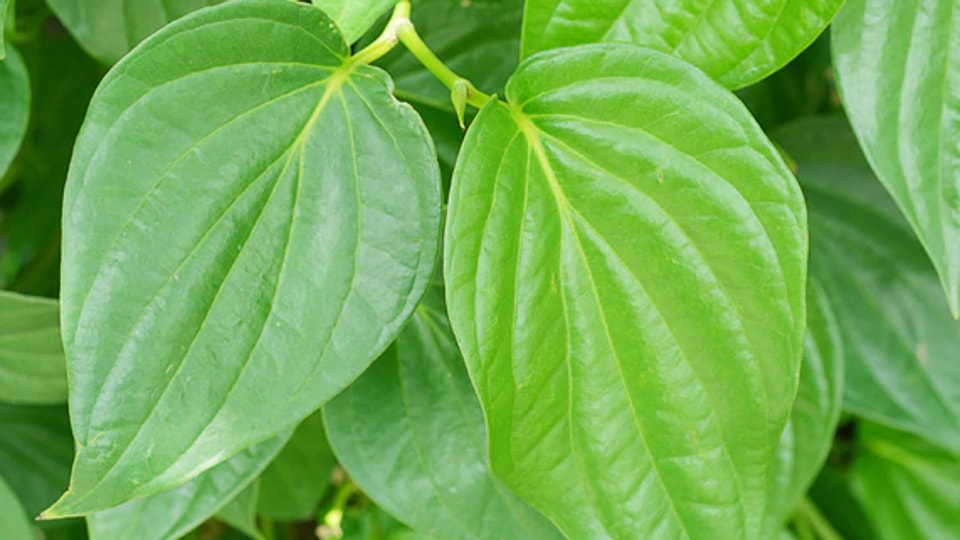
The Tirur leaves are widely used in paan, a popular after-meals treat in both India and Pakistan. It also stands out for its medicinal properties too, with significantly high chlorophyll and protein content. The GI tag is the culmination of a years of application from the Kerala Agricultural University (KAU), the Kerala government’s Agriculture Development and Farmers’ Welfare Development and farmers from Tirur.
The product, but, is faraway from its glory years in the past. Hundreds of betel leave stalls occupied the small towns in Malappuram as recently as three decades ago, with exports thriving especially to Pakistan. As India’s relations with the neighbour soured after the Kargil War in 1999, so did the betel leaves business. The subsequent trade wars between the two countries shattered the local growers— hundreds of stores reduced to about two dozen ones operating in Malappuram now— and with time, the Sri Lankan betel leaves overtook them in competition in the export market.
The GI registration will enhance the demand and marketability of the unique betel leaves, according to Indira Devi, director of research at KAU, quoted in a report in The Hindu. “The antioxidant capacity is more in Tirur betel leaves adding to its medicinal properties. These betel leaves are more pungent than many other cultivars,” she said.


