
 E-Paper



New GST rates: Cigarettes to SUVs and some motorcycles land it highest tax slab
Pan masala, cigarettes, gutka, chewing tobacco, will be on that list of “sin goods”, bigger cars and bikes too

 Prefer HTon Google


A new 40% slab of GST will come into effect on September 22, along with all new rates. The 12% and 28% slabs are gone, and only the 5% and 18% ones from the current four remain.
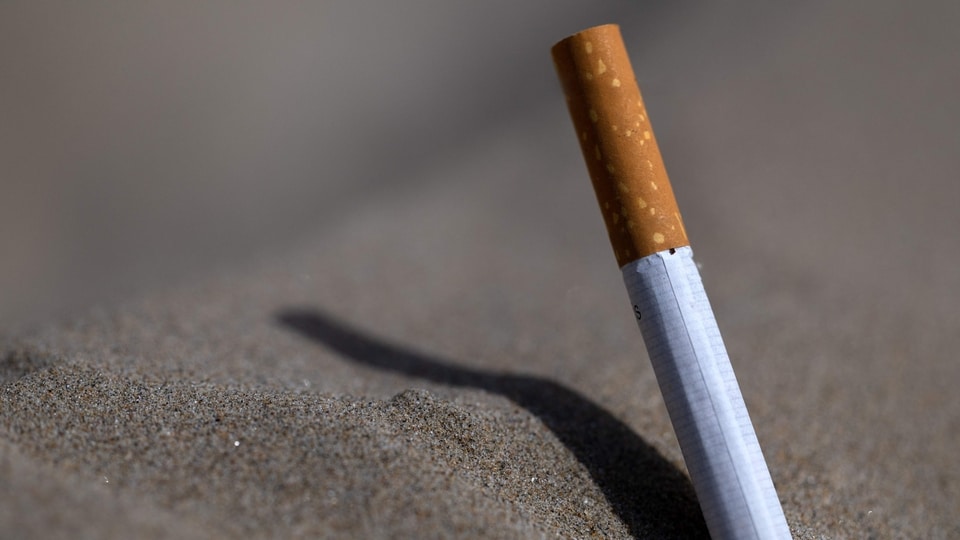
The 40% slab has mostly high-end non-essentials or luxury goods.
For pan masala, cigarettes, gutka, chewing tobacco, it will not kick in immediately due to some technical reasons regarding pending loans, and a date will come later.
Also read | Full list of GST rate changes
But the other things on this list, which get the new rates on September 22, include aerated waters containing added sugar or flavour (which means most cold drinks), caffeinated beverages and other non-alcoholic beverages will also be in 40% now, meaning a jump of at least 12 percentage points from the now-scrapped 28% slab.
Motorcycles exceeding 350 cc are also among these items, as are bigger cars.
Also read | India delivers GST bonanza ‘for common man’, new GST rates from 22 September
A government handout on the rationale and most-asked questions said the 40% rate is applicable only on few select goods, “predominantly on sin goods and few luxury goods and therefore is a special rate”.
But does that make these goods more expensive? Not necessarily.
A lot of these goods attracted compensation cess in addition to GST, which was around 15%, and sometimes crossed 20%
“Since it has been decided to end the Compensation Cess levy, the Compensation Cess rate is being merged with GST so as to maintain tax incidence on most goods. On other goods and services, the special rate has been applied as these were already attracting the highest GST rate of 28%,” said the FAQ document.
So a tax of 28% GST plus 15% cess was 43%, but now becomes flat 40%.
Let's understand it through the example of cars.
- Cars that do not meet the ‘small car’ definition will be taxed at 40%. That does not necessarily mean more tax of the Thar and Safaris and such SUVs or longer sedans.
- The earlier tax rate was 28%, plus there was a cess of up to 22%, thus a total of nearly 50%.
- That now becomes a flat 40%. That's a benefit for the end user.
Smaller cars are those that have petrol engines up to 1200cc, or diesel up to 1500cc, and length not exceeding 4000 mm. These cars will now be at 18% GST, down from 28%, which means the Altos and i10s etc will come for less too.
Also read | New GST rates: All you need to know, FAQs
Similar logic – of cess gone, but base rate hiked – applies to several of the items in the new 40% bracket.
For cigarettes, chewing tobacco products like zarda, unmanufactured tobacco and beedi, the existing rates of GST and compensation cess will continue to apply and the new rates will be implemented at a later date to be notified, based on discharging of entire loan and interest liabilities on account of compensation cess, the government has said.
Other items on the 40% list include: aircraft for personal use, yachts, revolvers and pistols; betting, casinos, gambling, horse racing, and lottery.
Further, admission to sporting events like cricket's Indian Premier League or IPL will attract 40% GST.
However, this rate of 40% will not apply to admission to recognised sporting events. “Admission to other sporting events, including recognised sporting events, where the ticket price is not more than ₹500, continues to be exempt, and if the ticket price is more than Rs. 500, it continues to be taxed at the standard rate of 18%.”


