
 E-Paper



RBI is said to stick to inflation target of 4% for third time in a row
The RBI discussion paper on inflation-targeting framework had also sought views on whether monetary policy should target CPI or shift focus to core inflation.

 Prefer HTon Google


The Reserve Bank of India is expected to stick to its inflation target of 4% within a tolerance band of 2% to 6% for the third straight time, Reuters reported citing two people familiar with the matter.
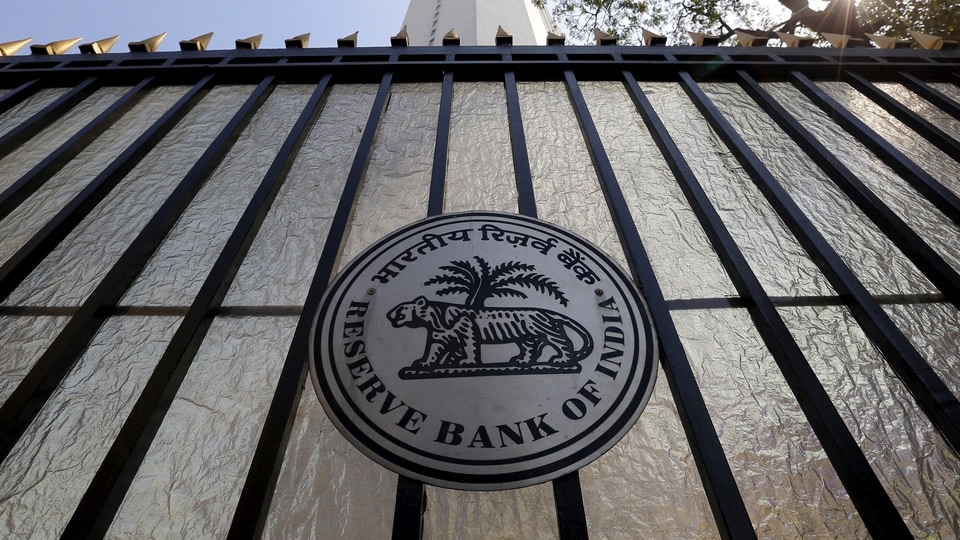
The central bank had sought views from economists, market participants and other stakeholders ahead of March 2026, when inflation-targeting mechanism is set to expire. Most respondents back continuation of the existing structure, the people said.
“There have been no big changes that are sought,” one of the people said. “Most feel the framework has worked quite well.”
While tweaks may be considered to the manner in which RBI communicates its monetary policy stance, the core structure is likely to remain unchanged, a second person familiar with the matter said.
RBI Inflation-Targeting Framework
India adopted the inflation targeting framework in 2016, formally tasking the RBI with keeping headline consumer price index at 4%, with a margin of two percentage points on either side. The framework was last renewed in 2021.
Over the past decade, inflation has stayed within the mandated band for roughly three-quarters of the time, with volatility peaking during the pandemic years.
“Considering the overlap with the covid period, it's a decent performance.” A. Prasanna, chief economist at ICICI Securities Primary Dealership, said, adding that his firm had not submitted feedback as it broadly agreed with the RBI's approach.
Several others also favour continuity.
“We expect the numerical targets as well as tolerance bands to be maintained for the third successive term,” DBS Bank's Chief Economicst Radhika Rao said. “While global practices favour narrower bands, high weightage for food and structural vulnerabilities make a wider range more suitable for India.”
RBI Monetary Policy & Inflation
The RBI's discussion paper had also sought views on whether monetary policy should target headline inflation or shift focus to core inflation, which excludes volatile food and fuel prices.
A government report last year urged a review of the inflation-targeting framework, citing frequent inflation spikes driven by food prices.
Some stakeholders, including a state-run bank, suggested giving more weight to core inflation, but stopped short of recommending it as the main target.
But several RBI officials and monetary policy committee (MPC) members have supported continuing to target headline inflation, saying food and fuel prices eventually seep into broader inflation through second- and third-round effects.
“For a country like India, where food and fuel contribute more than half to the CPI basket, these segments can't be ignored. That's why we should not move away from headline CPI,” said Akshay Kumar, head of global markets at BNP Paribas. “The 4% midpoint target remains relevant as India aims to grow faster than developed market peers.”
The framework balanced price stability with growth, Vivek Rajpal, Asia strategist at JB Drax Honore, told Reuters. “Targeting headline inflation is good as volatility in Indian inflation largely comes from food prices.”
“Targeting headline inflation makes sense, given food price volatility.”
Separately, with the consumer price index basket due for review next year, the weightage of food is expected to decline, potentially reducing future volatility.


