
 E-Paper



Redmi Note 17 Pro Max review: ₹49,999 in a market that's stopped playing nice| HT Verified
Is the ₹49,999 Redmi Note 17 Pro Max worth buying? Read our 20-day review covering its mammoth 10,000mAh battery, IP69K rating and camera performance.

 Prefer HTon Google






Everyone had a plan. Wait for the festive sale, grab a decent smartphone at a slashed price, outsmart the market. And then the market hit back. The deals that did show up during the festive window were barely worth the excitement: a few hundred rupees here, a bank offer there, nothing that changed the math meaningfully. The reality, as anyone tracking the smartphone industry right now would tell you, is that waiting is no longer a strategy. Global DRAM and NAND flash memory shortages, driven heavily by chipmakers pivoting production capacity toward AI data centre infrastructure, are pushing bill-of-material costs upward across the board. According to data from Counterpoint Research, global smartphone shipments dropped 20% year-over-year in Q3 2026, hitting their lowest third-quarter level since 2012. OEMs are passing those higher component costs directly to consumers. Prices are going up, not down.


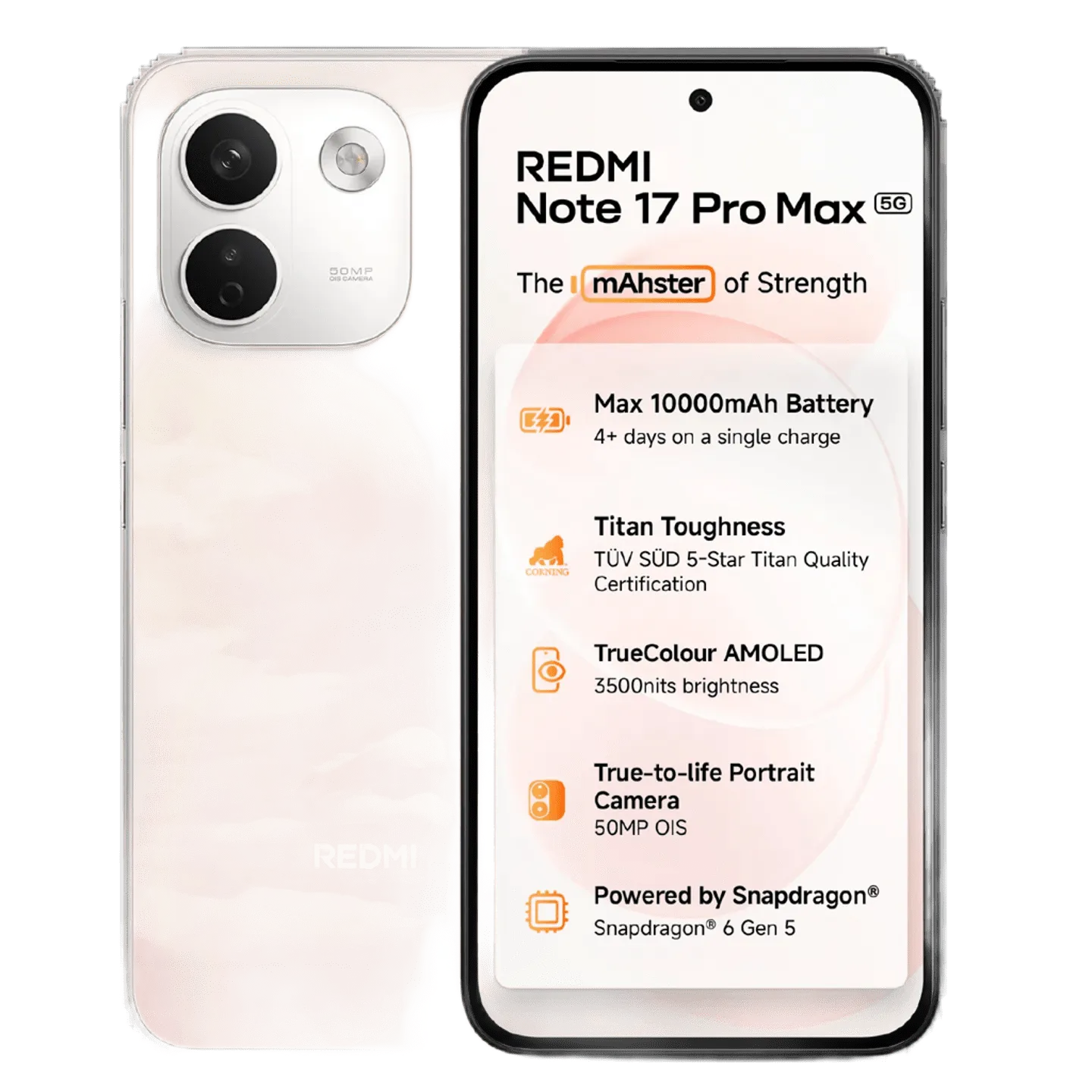
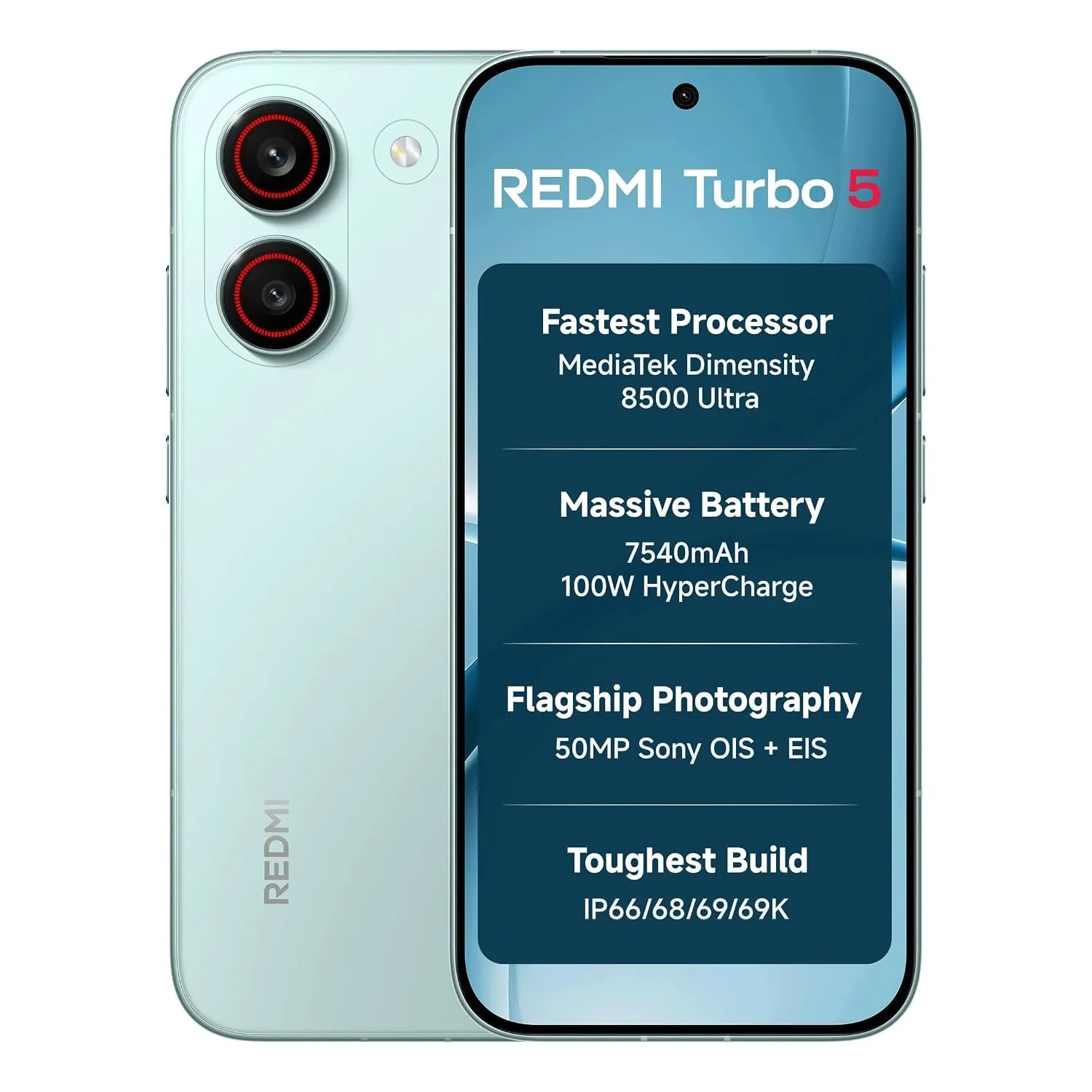
So when Xiaomi launched the Redmi Note 17 Pro Max at ₹49,999, it entered a segment that's genuinely hard to shop in right now. Phones that used to sit under ₹30,000 have quietly crept up into this territory and the options you can confidently recommend - the OnePlus Nord 6, the Motorola Edge 70 Pro Plus and the Redmi Turbo 5, are few. The Note 17 Pro Max brings a 10,000mAh battery, a 6.83-inch 1.5K AMOLED display, and a Snapdragon 6 Gen 5 chip to compete. I've spent more than 20 days with it. Here's whether it earns a place on that short list.

Redmi Note 17 Pro Max: Key Specifications
| Specification | Details |
| Display | 6.83-inch 1.5K AMOLED, 120Hz, 3,500 nits peak brightness |
| Processor | Qualcomm Snapdragon 6 Gen 5 (4nm), octa-core up to 2.6GHz |
| RAM and storage | 8GB / 12GB LPDDR5X RAM + 256GB UFS 4.1 storage |
| Rear camera | 50MP main (OIS, f/1.5) + 8MP ultrawide |
| Front camera | 32MP |
| Battery | 10,000mAh with 100W HyperCharge |
| Operating system | Xiaomi HyperOS 3 based on Android 16 |
| Connectivity | Wi-Fi 802.11 a/b/g/n/ac, Bluetooth 6.0, IR Blaster |
| Dimensions and weight | 163.44 x 78.27 x 8.57mm, 229g |
| Durability | IP66 / IP68 / IP69 / IP69K, Gorilla Glass Victus 2 |
Design and Display
My review unit came in Secret Sunrise and I have to say, this is a beautiful colour. It draws eyes, catches light at the right angles and feels like Xiaomi actually put thought into the aesthetics rather than defaulting to the usual safe options. The other available shades are Stealth Black and Matcha Green, but the Secret Sunrise is the one I'd pick without hesitation.
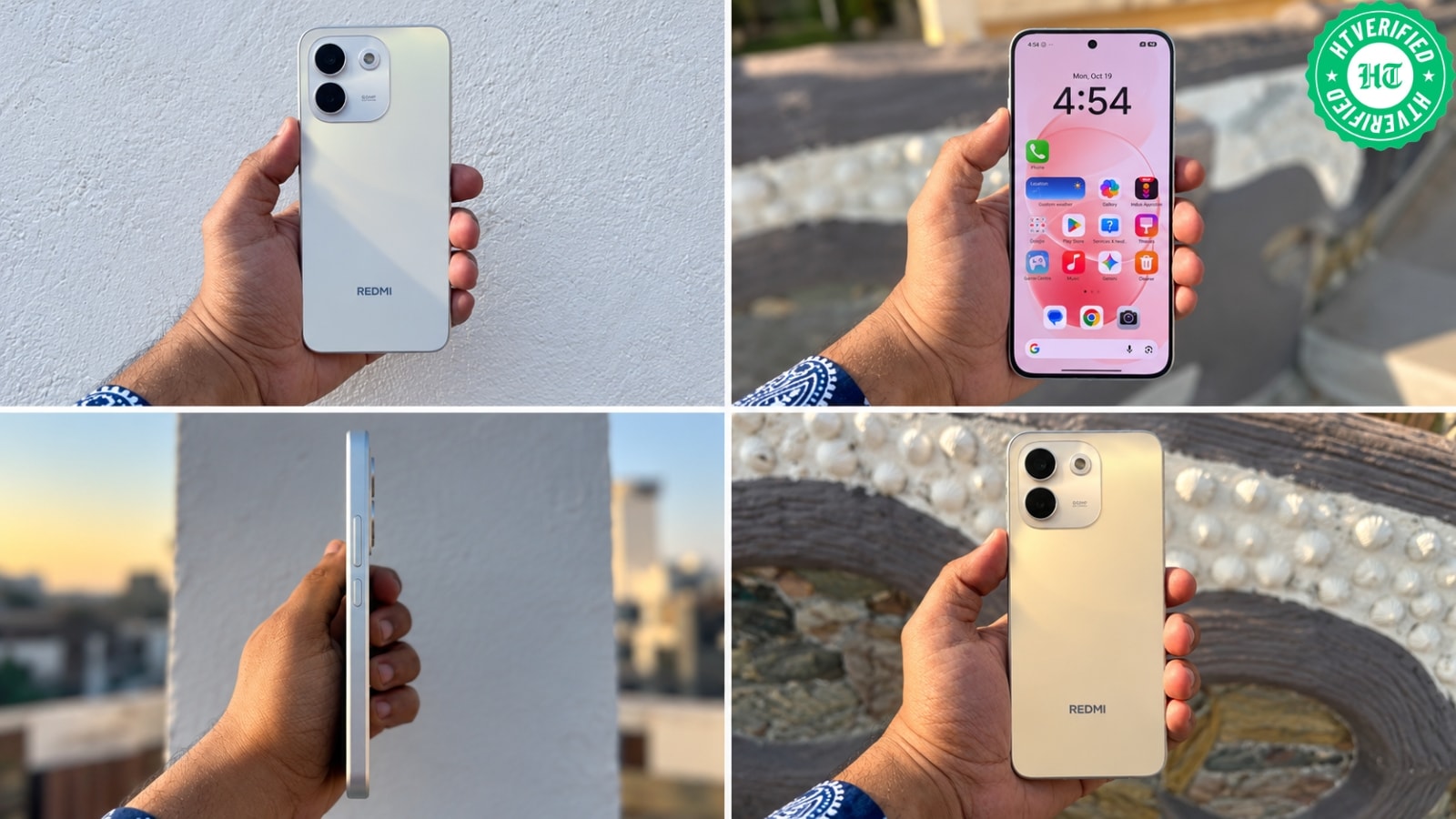
The in-hand feel is generally good, though the plastic back panel is something you’ll definitely notice at this price point. It does the structural job fine, but doesn't quite match the premium expectations ₹49,999 tends to carry. You'll want to use the bundled protective case, not just to protect it, but because the back can get slippery during extended use. The form factor is a tall 163.44mm and 229g, which means one-handed operation has its limits. The squarish camera module on the rear adds a distinctive character to the design, so that's a net positive.

What genuinely impresses is the durability package. IP66, IP68, IP69, and IP69K ratings together make this one of the most water- and dust-resistant phones in this segment. The display is covered by Corning Gorilla Glass Victus 2, which adds meaningful peace of mind for daily use. There's also an in-display optical fingerprint sensor, an IR Blaster and stereo dual speakers. Everything you'd want from a daily driver is here.

The 6.83-inch flat AMOLED display runs at 120Hz with a touch sampling rate that goes up to 3200Hz in Game Turbo Mode. The claimed 3,500 nits peak brightness is ambitious, but even in real-world sunny conditions, visibility was never an issue for me. I watched all the West Indies tour of India matches on this phone, caught a couple of Latent episodes, and the experience was consistently good: rich colours, solid contrast, and smooth scrolling. Dolby Vision and HDR10+ support means streaming content on Netflix and YouTube looks sharp. The display is one of the clearest strengths of this device.
Performance
Here is where the conversation gets honest. The Snapdragon 6 Gen 5 is capable; let me be clear about that. Day-to-day use, multitasking, streaming, and social media all run without friction. I played BGMI for a couple of hours and averaged around 88 FPS, which is perfectly fine for a casual gaming session. Thermals stayed reasonable through extended play.

Benchmark Comparison
| Benchmark test | Redmi Note 17 Pro Max ( ₹49,999) | Motorola Edge 70 Pro+ ( ₹47,999) | Redmi Turbo 5 ( ₹40,999) |
| AnTuTu | 1,072,351 | 2,220,051 | 2,107,191 |
| Geekbench 7 single-core | 963 | 1,696 | 1,720 |
| Geekbench 7 multi-core | 3,026 | 6,708 | 6,578 |
| 3DMark Wild Life Extreme | 1,196 | 4,454 | 4,291 |
| 3DMark stress-test stability | 99.5% | 44.40% | 76.20% |
| CPU throttling | 246,896 GIPS; 87% of max | 320,279 GIPS; 80% of max | 271,149 GIPS; 85% of max |
| AnTuTu storage score | 72,398 | 206,988 | 165,731 |
What I feel is that Xiaomi has made a deliberate call here: stability over raw power. The 99.5% stress-test stability means performance doesn't nosedive under load, which matters for sustained gaming or heavy app usage. But the raw performance gap versus the Edge 70 Pro Plus and even Xiaomi's own Turbo 5 is significant on paper. If you're the kind of buyer who lives in benchmarks, this is a tough pill to swallow at ₹49,999. For most people who use their phones for streaming, social media, and casual gaming, the Snapdragon 6 Gen 5 is more than sufficient, but power users have reason to look elsewhere.
Camera
The camera setup here is a 50-megapixel primary sensor with OIS and an f/1.5 aperture, paired with an 8-megapixel ultrawide and a 32-megapixel selfie camera up front. The handset supports 4K video recording at 30fps on both front and rear cameras, plus 1080p recording at up to 60fps. There is no telephoto camera.
I took the phone to the Ramleela mela for low-light testing, shot some close-up macro-style shots on my terrace, including an ant on a flower that turned out surprisingly detailed, and captured colleagues in bright office lighting on a sunny evening. The results were pretty decent across the board. Daylight shots look sharp and well-exposed, colours feel natural without being oversaturated, and the wide f/1.5 aperture does a solid job of natural background separation even outside Portrait mode.

Low light is where you'll notice the noise creeping in, particularly in challenging environments like the Ramleela mela. It's manageable but visible. The 8-megapixel ultrawide gets the job done for group and landscape shots, though fine detail isn't its strong suit. The 32-megapixel selfie camera is reliable for everyday use. Video calls and social media posts come out well, and portrait selfies are generally clean.

What I honestly miss here is a telephoto lens. At nearly ₹50,000, the absence of even a basic zoom camera feels like a gap. And coming from the Redmi Note 15 Pro Plus, which had a 200-megapixel primary sensor, the 50-megapixel feels like a step back on paper, even if the camera is competent in practice. Overall, the camera gets the job done in most scenarios. It's pretty capable, not exceptional.
Software and Battery
HyperOS 3 running on Android 16 is Xiaomi's most polished software experience to date on a mid-ranger. The lock-screen customisation is genuinely fun to play with. There are plenty of options and it's easy to make the phone feel personal and visually distinct. The interface is familiar if you've used any recent Xiaomi device, with a visual approach that recalls some of the layered, translucent design language seen in iOS 26.

There are AI features built in, including writing assistance and smart tools that help with daily productivity tasks. The lock-screen AI-driven personalisation is particularly well done. Bloatware is present, but most of it can be uninstalled. Xiaomi's promise of four years of OS updates and six years of security patches is a strong commitment at this price.

Now, the main event: that 10,000mAh battery. This is the clearest, most unambiguous reason to buy the Redmi Note 17 Pro Max. The capacity is closer to a power bank than a traditional smartphone, and it shows. After heavy days of streaming the West Indies series, using maps, scrolling social media, and taking photos, I consistently had battery to spare. On moderate usage, three days on a single charge is a real outcome from my review, not just a marketing claim.
The 100W HyperCharge adapter is included in the box, a point worth emphasising because plenty of phones make you buy the charger separately. A full charge from zero to 100% took me around 1 hour and 28 minutes, which is genuinely fast for a 10,000mAh cell. The 27W reverse wired charging is a nice bonus, useful for topping up earbuds or a second device in a pinch.
HT Verified Verdict
The Redmi Note 17 Pro Max makes a strong case for itself with its 10,000mAh battery, vibrant AMOLED display and extensive water and dust resistance. After more than 20 days of use, I found it dependable for everyday tasks, streaming and casual gaming. The battery is the standout feature, comfortably lasting up to three days with moderate use, while 100W charging makes refuelling its enormous cell less of a chore.
However, the ₹49,999 price makes its compromises harder to overlook. The Snapdragon 6 Gen 5 handles routine tasks well, but benchmark results put it behind the Motorola Edge 70 Pro Plus and Redmi Turbo 5. The camera is reliable in good lighting, although low-light noise and the lack of a telephoto lens limit its appeal. The plastic back and 229g weight also take some shine off the experience.
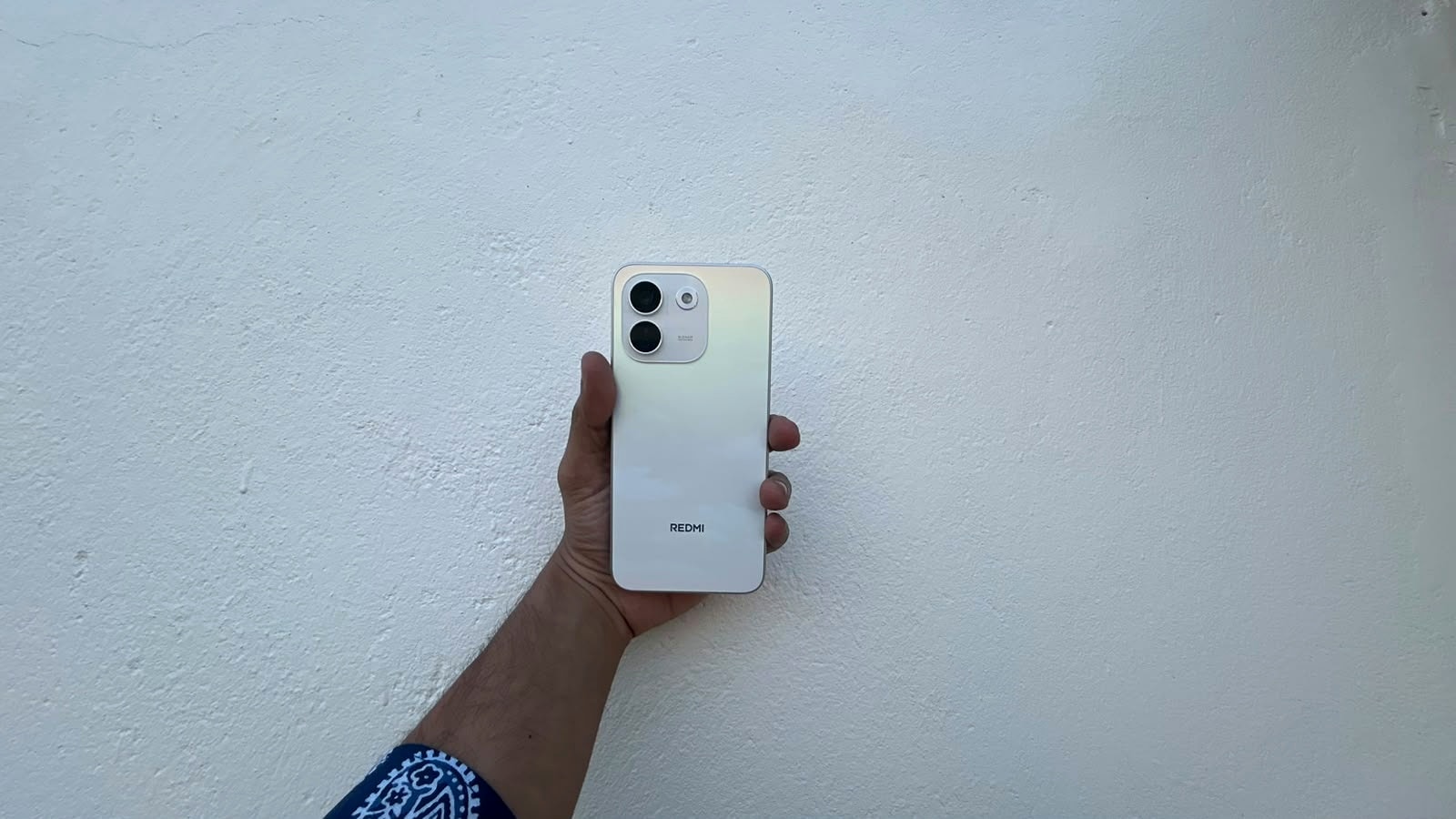
My verdict: Buy the Redmi Note 17 Pro Max if battery endurance, display quality and durability matter more to you than raw performance or camera versatility. If you want the most powerful phone for your money, I would look at the competition before committing.
HT Verified: Findings
| Category | Positive findings | Areas for improvement |
| Design and build | Distinctive Secret Sunrise finish, comfortable in-hand feel and a characterful rear camera module | Plastic back feels less premium at this price; slippery without a case |
| Display | 6.83-inch 1.5K AMOLED, 120Hz, vibrant colours, strong contrast and good outdoor visibility | Large size makes one-handed use difficult |
| Durability | IP66, IP68, IP69 and IP69K ratings, plus Gorilla Glass Victus 2 | Heavy at 229g |
| Everyday performance | Smooth multitasking, streaming, browsing and social media use | Raw processing performance trails key rivals in supplied benchmarks |
| Gaming | BGMI averaged around 88 FPS during testing; 99.5% 3DMark stress-test stability | Not the strongest option for performance-focused gamers |
| Rear camera | Sharp daylight images, natural-looking colours and detailed close-up shots | Low-light noise is visible; no dedicated telephoto camera |
| Selfie camera | 32MP front camera suitable for video calls and everyday social media | No specific selfie performance advantage established in testing |
| Battery | 10,000mAh capacity delivered up to three days of moderate use | Large battery contributes to the phone's weight |
| Charging | Included 100W charger; full charge took 1 hour and 28 minutes; 27W reverse wired charging | Charging still takes over 100 minutes despite high wattage |
| Software | HyperOS 3 based on Android 16, flexible lock-screen customisation and stated four years of OS updates | Pre-installed bloatware remains, although most can be uninstalled |
| Audio and connectivity | Stereo speakers, Dolby Atmos, IR Blaster and Bluetooth 6.0 | No specific audio or connectivity shortcomings established during testing |
| Value for money | Strong endurance, high-quality display and extensive durability ratings | ₹49,999 is difficult to justify if performance and camera versatility are priorities |
HT Verified: Evaluation Table
Scores below are editorial assessments based on the supplied review observations and benchmark results, not laboratory-certified ratings.
| Test area | Simple measurement | What happened | Score (/10) |
| Design and build | More than 20 days of use | Distinctive finish and good handling, but the plastic back and slippery surface feel less premium | 8.5 |
| Display | 6.83-inch, 1.5K AMOLED, 120Hz | Bright, vibrant and smooth, with good outdoor visibility | 9.0 |
| Everyday performance | AnTuTu: 1,072,351 | Routine tasks ran smoothly, but benchmark performance lagged behind rivals | 7.5 |
| Gaming | BGMI, couple of hours | Averaged around 88 FPS, making it suitable for casual gaming | 7.5 |
| Sustained performance | 3DMark stress-test stability: 99.5% | Maintained performance consistently under the tested workload | 9.0 |
| Rear camera | Daylight, close-ups and low-light mela shots | Good detail in favourable conditions, with visible noise in low light | 8.0 |
| Battery life | 10,000mAh; up to three days of moderate use | Exceptional endurance across streaming, navigation, social media and photography | 9.5 |
| Charging | 100W; zero to 100% in 1 hour 28 minutes | Impressive charging speed for such a large battery | 8.0 |
| Software | HyperOS 3, Android 16 | Customisation is a highlight; bloatware detracts slightly | 8.0 |
| Durability | IP66/IP68/IP69/IP69K; Gorilla Glass Victus 2 | Strong protection credentials for everyday use | 9.0 |
| Value for money | ₹49,999 | Battery and display stand out, but performance gap and camera limitations are significant | 8.0 |
Final Verdict: HT Verified Recommended (Scores Above 7.5 Qualify)
Overall score: 8.2/10
Best for: Buyers who prioritise battery life, display quality and durability. Consider alternatives if gaming performance or camera versatility is your priority.
Quick specification table
| Specification | Details |
| Price reviewed | ₹49,999 |
| Display | 6.83-inch 1.5K AMOLED, 120Hz |
| Processor | Qualcomm Snapdragon 6 Gen 5 |
| RAM and storage | 8GB/12GB RAM, 256GB storage |
| Rear cameras | 50MP main with OIS + 8MP ultrawide |
| Front camera | 32MP |
| Battery | 10,000mAh |
| Charging | 100W wired, 27W reverse wired |
| Software | HyperOS 3 based on Android 16 |
| Durability | IP66/IP68/IP69/IP69K, Gorilla Glass Victus 2 |
Why it gets 8.2/10: The Redmi Note 17 Pro Max excels at the fundamentals that matter to endurance-focused users. Its battery, display and durability make it a dependable daily driver. The rating stops short of the higher end because its chipset does not match the performance available from competing phones at a similar price, while the camera setup lacks a dedicated zoom lens. It is a compelling battery-first phone, but not an all-round performance leader.
Disclaimer: At Hindustan Times, we help you stay up-to-date with the latest trends and products. The review unit was provided by Xiaomi for a period of one month for the purpose of this review and will be returned to the brand after the review period. Our review and opinions are based on our experience with the product during this testing period.


