
 E-Paper



RBI Monetary Policy: Repo rate unchanged, and other key takeaways
The policy repo rate remains at 6.5%, making it four consecutive policy meets where the central bank decided to keep it unchanged.

 Prefer HTon Google


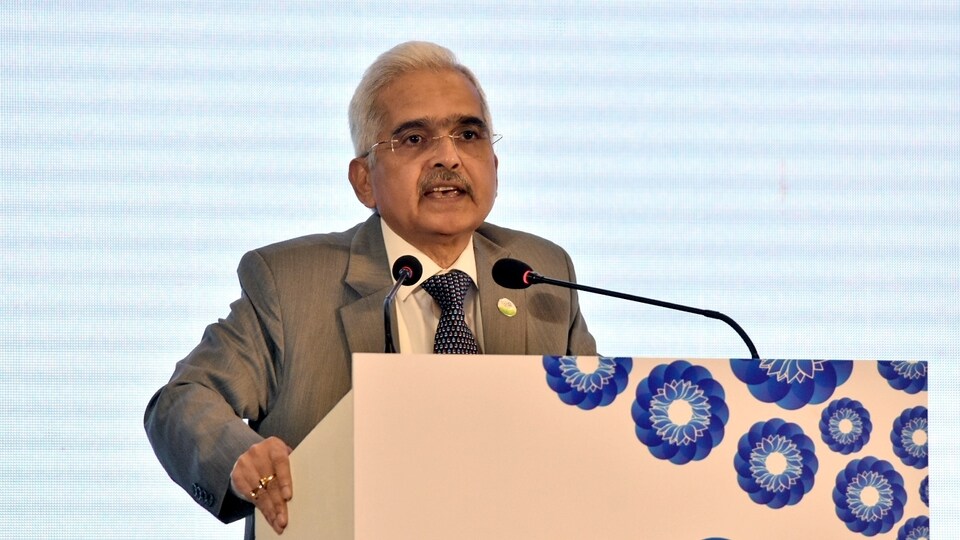
The Reserve Bank of India (RBI) on Friday announced decisions taken at its fifth monetary policy meet of the year, held from October 4-6. Making the announcements, RBI governor Shaktikanta Das said that the policy repo rate is unchanged at 6.5%, adding that this was a ‘unanimous’ decision of the 6-member Monetary Policy Committee (MPC), headed by Das himself.
Also Read | RBI forecasts retail inflation at 5.4% for 2023-24
He also listed other decisions taken by the MPC. Here are the key takeaways:
(1.) Status quo on rates: The was the fourth consecutive policy meet where members decided to maintain status quo on the repo rate, following on from the meetings in April, June and August.
As a result, other interest rates also remain unchanged: Standing Deposit Facility (6.25%), Marginal Standing Facility (6.75%) and Bank Rate (6.75%).
(2.) Inflation projections: Das emphasised that ‘the fight against inflation is not over yet,’ and stated that the RBI wants to keep inflation at 4%, and not between 2-6%.
Meanwhile, the latest CPI inflation projections for the ongoing fiscal (2023-24) were given as 5.4% (Q1), 6.4% (Q2), 5.6% (Q3), 5.2% (Q4) and 5.2% (Q1 FY 2024-25).
(3.) No change in growth forecasts: The gross domestic product (GDP) growth forecast remains at 6.5% for each of Q1 and Q2 2024, 6% for Q3, 5.7% for Q4, and 6.6% for Q1 FY25.
(4.) Sales of government securities: The RBI governor noted that the central bank may consider OMO (open market operation) sales of government securities.
“We may have to consider OMO sales to manage liquidity, consistent with the stance of monetary policy. The timing and quantum of such operations will depend on the evolving liquidity conditions,” he said.
(5.) Card-on-File tokenisations: Das also proposed card card-on-file tokenisations (CoFT) directly at the issuer bank level.T
Such a measure, he noted, 'will enhance convenience for cardholders to get tokens created and linked to their existing accounts with various e-commerce applications.'


