
 E-Paper



Will digital currency pave way for paperless money in India?
At least 109 countries are either carrying out a pilot project or are set to implement the digital currencies in their respective countries. In October 202, the Central Bank of the Bahamas became the first central bank to launch a central bank digital currency.

 Prefer HTon Google


The Reserve Bank of India on Tuesday kickstarted the pilot project for its upcoming digital currency. The pilot project comes months after Union finance minister Nirmala Sitharaman had made the announcement in her budget speech, stating that the move will give a major boost to the economy.
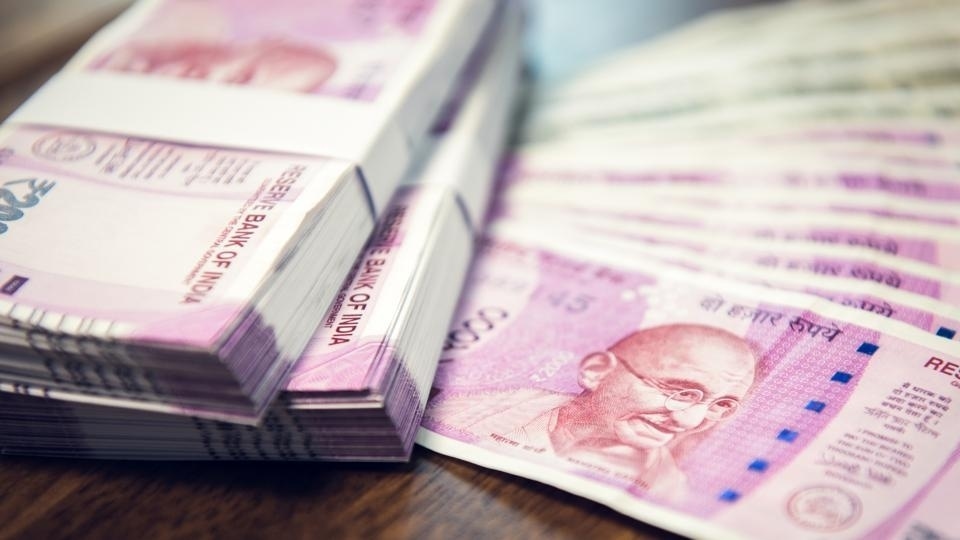
A US-based think tank named Atlantic Council says the central banks of ten countries have started using digital currencies. Bahamas, Nigeria, Antigua, Dominica, Grenada, Montserrat, St Kitts, St Lucia, St Vincent and Grenadines are the Caribbean countries which are using digital currencies, Hindustan Times sister website Live Hindustan reported.
At least 109 countries are either carrying out a pilot project or are set to implement the digital currencies in their respective countries. In October 202, the Central Bank of the Bahamas became the first central bank to launch a central bank digital currency.
Cost cuts on printing paper notes
According to the RBI, it costs ₹15-17 to print a ₹100 note in India. A currency note lasts for a maximum four years. The central bank has to print fresh notes which costs thousands of crore rupees. In the financial year 2021-22, the RBI had printed 4.19 lakh additional notes which had cost thousands of crore rupees. With the popularity of digital currency, the cost will almost be nil.
According to the Atlantic Council, 19 out of 20 G--20 countries are headed towards adopting digital currencies. In the past six months, countries like India, Japan, South Korea and Russia have made major progress in this direction.
On the other hand United States, UK and Mexico are also carrying out research. According to report, 105 countries have a massive 95 per cent share in the global GDP. In May 2020, the number of countries mulling digital currencies has risen from 35 to 100.
How will e-rupee work
E-rupee is a voucher which cannot be transferred. It will be used only by that person or entity for which it has been issued. The e-rupee can only be used once. It is both cashless and contactless. The e-rupee will be sent to the beneficiary's mobile number in the form of QR or SMS code which will be scanned. A code will be sent to the beneficiary's mobile number for verification.
Is different from digital payment?
After payment, there will be no need for an interbank settlement. It will be carried out in a more real time situation and less cost. It will ensure payment on time without the need for a mediator.


