
 E-Paper



In locked down Chandigarh drug users turn to therapy centres for ‘safe’ doses to fight withdrawal symptoms
More than a 100 injecting drug users have reached out for help to opioid substitution therapy centres run by the State AIDS Control Society, Chandigarh


With illegal drug supply restricted due to curfew in the wake of Covid-19, drug users in Chandigarh are willingly choosing safer opioid substitutes to cope with withdrawal symptoms, doctors say.
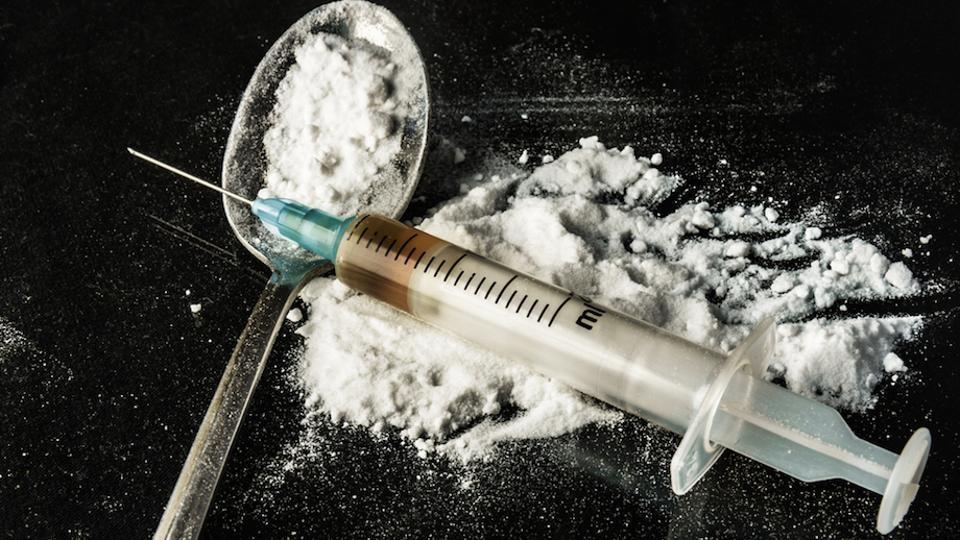
More than a 100 injecting drug users (IDUs) have reached out for help to opioid substitution therapy (OST) centres run by the State AIDS Control Society (SACS), Chandigarh. Used medically to treat moderate to severe pain opioids are like opiates such as morphine and codeine, but are not made from opium.
Doctors say IDUs are being administered Buprenorphine, an opioid used to treat opioid use disorder, acute pain, and chronic pain. “It’s a medically approved, safer and long acting drug and is given daily to those who are registered with the centres,” says Sandeep Mittal, deputy director, SACS.
1,400 IDUs registered
About 1,400 IDUs are registered with NGOs for the programme, out of which about 600 are taking Buprenorphine based OST under SACS. Buprenorphine tablets are given daily to users to counter withdrawal symptoms and allow them to perform routine activities. “Slowly, the dosage is reduced,” adds Mittal. The project is being run with the help of NGOs Sehat and Society for Service to Voluntary Agencies (SOSVA) at four such centres in the city.
Pirity, project manager, SOSVA, who only uses one name, looks after drug users at two OST centres in sectors 38 and 56. “We have 668 users who inject drugs of which 18 are women, but only 230 are taking medications regularly. After the lockdown, however, 21 new cases have come to us,” she says.
Many patients who had quit the centres prematurely earlier are returning willingly, she adds. A 23-year-old who had sought therapy in October last year did not return after he was tested positive for AIDS. “Today, he came to the centre willingly and enrolled for therapy,” Pirity adds.
Act sensitively, NGOs told
NGOs have been advised to act sensitively and not ask users too many questions, says Sanjeev Kumar, project manager with Sehat. “Yesterday, I got a call from an 18-year-old youth wanting to restart therapy. They are in need, and we are going to help them,” he says.
Sehat manages two centres in Manimajra and Ram Darbar “We have 1,026 IDUs registered with us (485 in Manimajra and 541 in Ram Darbar). A majority of them are in the 18 to 19 age bracket and the average age is 32 years,” adds Kumar. “Currently 290 IDUs are taking regular medication from the two centres, but since the lockdown, the number has increased. At least 80 people who had earlier left us midway during therapy have enrolled with us again,” he says.


