
 E-Paper



BJP, CM Raman Singh bank on SC seats to retain Chhattisgarh assembly
Chhattisgarh has 10 seats – in the 90-member assembly -- reserved for SC candidates, and the BJP won nine of them in 2013 assembly elections, recovering losses it suffered in the 29 segments reserved for scheduled tribes (STs), of which it won just 11.


A stunning performance in seats with a high scheduled caste (SC) population brought Raman Singh to power for the third time in 2013. Doing well in these constituencies remains crucial for the Bharatiya Janata Party (BJP) leader in his bid for a fourth term as Chhattisgarh chief minister.
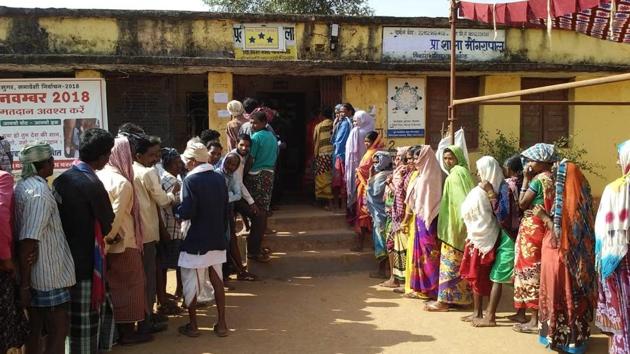
Chhattisgarh has 10 seats – in the 90-member assembly -- reserved for SC candidates, and the BJP won nine of them in 2013, recovering losses it suffered in the 29 segments reserved for scheduled tribes (STs), of which it won just 11.
SCs make up roughly one-seventh (about 14%) of the state’s population. They are largely settled in the plains between the tribal-dominated northern and southern parts of the state. A large majority follow the Satnami sect, a reformist movement founded by Guru Ghasi Das in the 19th century.
“The Satnami community has been traditional supporter of the Congress and remains so,” says Lalit Surjan, editor of Raipur-based Deshbandhu newspaper. “Ajit Jogi -- a former chief minister who rebelled from the Congress to float his own party -- also enjoys their support in a couple of districts.”
In Ahirwara, a reserved seat which the BJP snatched from the Congress in 2013, Kamal Singh Banjare insists he will vote for the Congress. “Raman Singh is a good man,” he says, “but we have always voted for Indira Gandhi’s party.”
A few metres away from Banjare’s house, a group of young men is playing cards. Some run away at the sight of an outsider approaching them, but one stops to talk. “Our forefathers have been voting for the Congress. We will also vote for it,” says Pawan, who will vote for the first time in the 2018 assembly elections. This sentiment is overwhelming among the Satnami community.
BJP strategy in 2013
So how did the BJP make inroads among the SCs? Leaders from the party attribute its 2013 performance in reserved seats to a consolidation of “other votes” in their favour. “A reserved seat has about 25-32% SC population. We worked on the rest, and it clicked,” a confidante of the chief minister said, asking not to be named.
Keeping this in mind, Raman Singh deployed a twofold strategy in 2013. First, he propped up Baba Baldas, a religious leader of the Satnami sect, to pick nearly 20 candidates in seats with a strong SC presence. Baldas was given a helicopter for campaigning, and provided resources to fund his candidates. He could not win a single seat, but did inflict damage on the Congress.
Second, the BJP aggressively wooed the non-SCs in these areas. Singh kept saying that his loss would mean return of Jogi, who had support of the Satnami community, and would create problem for others. Jogi had been speaking about “outsiders” in Chhattisgarh, and highlighting this helped Singh strike a chord with the people.
“We realised in the last election that tribal areas might not vote for us and there was a sense that we might lose,” the confidante of the chief minister quoted above said. “We reworked our strategy and shifted focus on the SC seats.”
Different challenge in 2018
But 2018 has thrown up a different challenge for the BJP and the CM. Baldas joined the Congress ahead of the elections. “His return will benefit the Congress. We are drawing support from other castes too,” Chhattisgarh Congress chief Bhupesh Baghel said.
Rudra Guru, another descendent of Guru Ghasi Das, is the Congress’ candidate from Ahirwara, where BJP won with a margin of 31,676 votes in 2013.
With the Baldas advantage gone, Singh is working on another strategy. The BJP has fielded 14 candidates from the Sahu community, a caste that dominates the 46% OBC (other backward classes) population in Chhattisgarh. The Congress, in comparison, has field eight Sahu candidates and the Jogi’s Janta Congress Chhattisgarh six.
Chhattisgarh-based psephologist Sudip Shrivastava says Raman Singh did not need Baldas in this election because he is hoping that Jogi will divide SC votes.
“Jogi’s alliance with the BSP [Bahujan Samaj Party] has pockets of influence among SC-dominated areas in Bilaspur and Janjgir-Champa districts. He has over half-a-dozen good candidates,” Shrivastava said. “But, Jogi is hurting both the Congress and the BJP. Singh’s calculation may go wrong if Jogi eats into his votes too.”
While Raman Singh says Jogi will hurt the Congress more, the former CM insists the SCs will repose faith in him.
“Godmen have lost relevance. People can see through such somersaults,” former chief minister Jogi said about Baldas joining the Congress, underscoring that the battle for these crucial seats is more pitched than ever before.


