
 E-Paper



6 months on, Punjab EWS housing project stuck in bureaucratic maze
The department is yet to finalise key aspects of the project, including the identification of beneficiaries. By the time a transaction adviser is selected, the agency will have 90 days to complete the assignment before the electoral code of conduct potentially comes into force.

 Prefer HTon Google


Punjab’s long-delayed economically weaker sections (EWS) housing project remains stuck in a bureaucratic maze, with the housing and urban development department yet to appoint a transaction adviser six months after it floated a request for proposal (RFP) for planning and structuring the ambitious affordable-housing initiative.
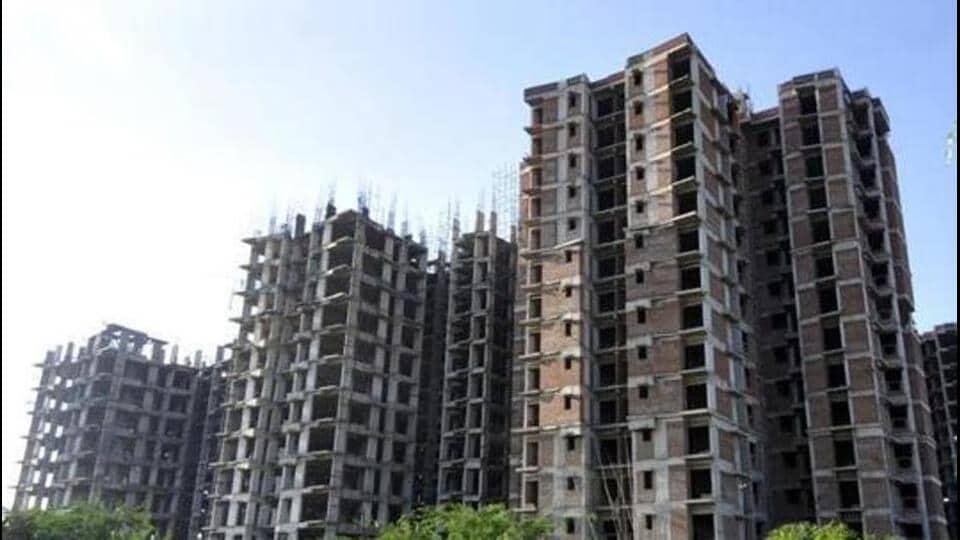
The department has now issued another corrigendum to the RFP, with bids scheduled to be opened within a week. The delay means the process will effectively have to start afresh, raising questions over whether the project can move beyond the planning stage before the model code of conduct for the upcoming assembly elections comes into force early next year.
The department is yet to finalise key aspects of the project, including the identification of beneficiaries. By the time a transaction adviser is selected, the agency will have 90 days to complete the assignment before the electoral code of conduct potentially comes into force.
The transaction adviser is expected to play a crucial role in taking the project forward. The agency will be responsible for planning and structuring the EWS housing projects, determining the number of housing units to be developed, assessing the available land and preparing the overall implementation strategy.
The latest delay comes despite the government having earmarked 75 acres for the first phase of the project.
In April, the department floated the RFP, with bids originally scheduled to open on May 11. As many as 11 agencies had reportedly shown interest. However, queries raised by prospective bidders at the pre-bid meeting could not be resolved, forcing the department to issue another corrigendum and defer the bid opening to October 9.
A senior department official attributed the delay to the queries raised by bidders. “The queries could not be resolved and, therefore, a corrigendum has been issued. The bids will now be opened on October 9,” the official said.
Punjab Urban Planning and Development Authority (PUDA) chief administrator Neeru Katyal Gupta said, “I am not aware of the current status, but I will check.”
The project’s prolonged delay is particularly significant as the EWS housing policy was first introduced in 2008. Despite multiple revisions—in 2016 and 2021—the policy has struggled to translate its stated objectives into actual housing for economically weaker families.
Under the policy, private developers are required to reserve 5% of the gross project area for EWS housing, while group housing projects have to earmark 10% of their flats for the category. However, compliance by developers has remained poor, contributing to the gap between policy commitments and actual housing delivery.
The government has access to nearly 519 acres that could potentially be utilised for EWS housing, including land held by various development authorities and private developers. Yet, only 75 acres have been identified for planning and development in the first phase.
The government had also sought to expand the land bank for the scheme. In February last year, the Punjab cabinet approved a proposal to acquire 1,500 acres across six cities, including Mohali and Ludhiana, for EWS housing.
At the same time, the government allowed the auction of nearly 700 acres, valued at around ₹2,000 crore, which had originally been reserved for EWS housing in 40 mega projects. The move followed poor response from private developers to the mandatory affordable-housing component of premium residential projects.
The 2021 policy revision envisaged integrated EWS housing clusters equipped with schools, healthcare facilities and community infrastructure. It also fixed the annual family income eligibility at ₹3 lakh.


