
 E-Paper



Moose Wala documentary: Mansa court allows compromise scope
The development followed a previous hearing on October 30, when the Mansa court barred Moose Wala’s father Balkaur Singh, a complainant in the case, from filing a reply to objections raised by the BBC and two others


A Mansa court on Friday allowed the plaintiff to explore the scope of compromise in a civil suit filed against the BBC documentary, ‘The Killing Call’, based on the life and murder of Punjabi singer Shubhdeep Singh alias Sidhu Moose Wala.
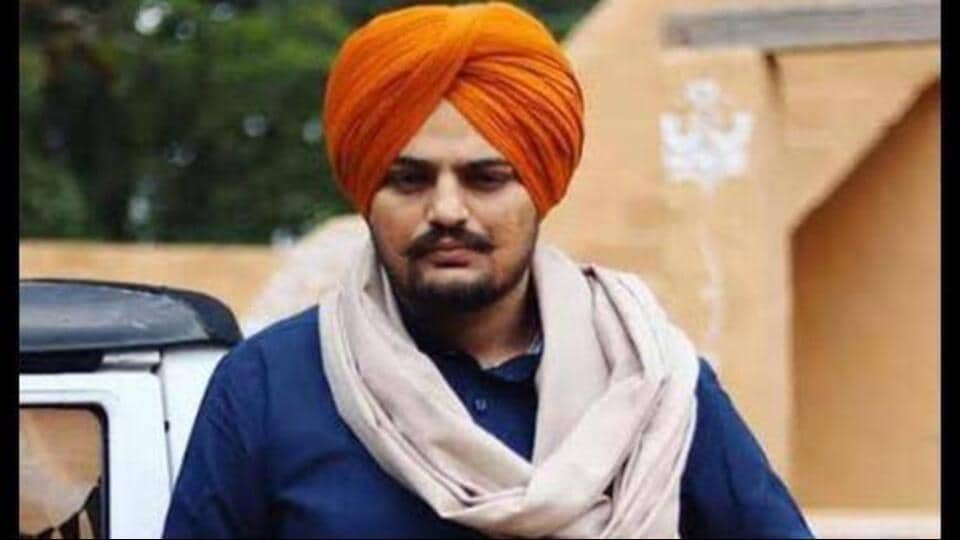
In his order passed on Friday, additional civil judge Ankit Airi stated that counsel for the parties said there are chances of compromise in the matter.
“In view of their oral request, the file will be put up on December 12 before the National Lok Adalat for exploring the chances of compromise,” reads the order.
The development followed a previous hearing on October 30, when the Mansa court barred Moose Wala’s father Balkaur Singh, a complainant in the case, from filing a reply to objections raised by the BBC and two others.
In its October order, the court cited an inordinate delay by Balkaur, who failed to file replies despite 10 hearings over the last 16 months.
“I find no reason to adjourn the matter all over again for the same purpose. I accordingly order that the right of the plaintiff to file a reply to the application stands barred by the court,” reads the court order passed on October 30.
Balkaur had filed the suit on June 10 last year against the BBC, investigative journalist Ishleen Kaur and programme producer Ankur Jain.
The suit challenged the BBC’s screening and release of the documentary.
The BBC had submitted before the court that the civil writ was filed against the Delhi-based BBC, which is a subsidiary of the UK-based broadcasting organisation, whereas the Indian team of the BBC had no role in making the documentary.
“The UK-based BBC World Service made the documentary, but the BBC in India was made a party in the petition. The Indian arm of the BBC was not involved in its creation; they only had a role in planning a screening. The documentary was released by the BBC World Service on YouTube, and it has already been watched worldwide on social media,” BBC counsel Balwant Bhatia said.


