
 E-Paper



Delhi government to double beds in state-run hospitals by July 15
The Delhi government has been working on scaling-up health infrastructure at a rapid pace owing to the steady increase in the number of coronavirus disease (Covid-19) cases in the city.


While an expert committee had said Delhi would need over 40,000 beds by the end of July to treat Covid-19 patients, the Delhi government has said it envisions requiring 150,000 beds, after factoring in outstation patients who arrive in the city.
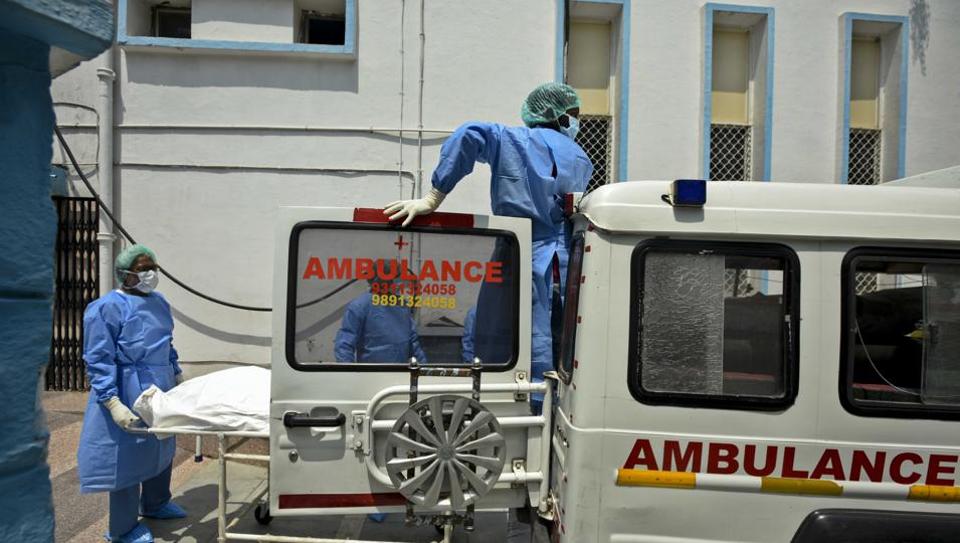
The Delhi government has been working on scaling-up health infrastructure at a rapid pace owing to the steady increase in the number of coronavirus disease (Covid-19) cases in the city. So far, there have been 31,309 cases of the contagious infection, which has also claimed 984 lives in the national capital.
“Data shows Covid-19 cases will significantly increase in Delhi in the coming days; we have a big challenge ahead. Now, we will need a total of 1.5 lakh beds after factoring in those coming from other states. I will get started on this and go to stadiums, banquet halls and hotels to make arrangements. We will try everything, do whatever we can to ensure enough hospital beds in Delhi,” chief minister Arvind Kejriwal said on Wednesday.
Not only is the government working on getting more private hospitals on-board, but it is also planning on expanding its own healthcare infrastructure to match the need.
The government is in the process of procuring 30,000 additional beds, according to a senior official from Delhi’s health department. Of these, around 1,200 hospital beds will be in the three newly constructed hospitals in Burari, Ambedkar Nagar, and Dwarka, which are still to open.
“The construction of the hospitals in Ambedkar Nagar and Burari are finished and the out-patient department of the Dwarka hospital is also ready to be opened up. So, around 1,200 of these beds will be placed in these three hospitals, with the rest being utilised for the make-shift hospitals the government plans to set up in stadiums, banquet halls, and AC halls,” the official said, asking to stay anonymous.
A committee, headed by divisional commission Sanjeev Khirwar has so far suggested the possibility of adding the beds in Pragati Maidan, Talkatora Indoor stadium, Thyagaraj Indoor stadium, Indira Gandhi Indoor stadium, Jawahar Lal Nehru Stadium, Dhyanchand National Stadium. The government plans to do this by mid-July, another official said.
The move is expected to boost Delhi’s health infrastructure in a matter of.
The five-member panel set up suggest measures to augment the city’s health infrastructure headed by Dr Mahesh Verma had said most beds should be equipped with oxygen or ventilators, necessary to treat patients with severe Covid-19 symptoms. The government’s plan is to add 500 ventilators by mid-July. Of these, 200 are expected to come from the Centre.
“The Centre has already provided 75 ventilators that are to be installed in Lok Nayak hospital. Another 75 of the 200 promised ventilators are soon to arrive. In addition, the Delhi government will procure 300 more ventilators. The ventilators will be placed in the hospitals, with oxygen concentrators and high-flow nasal canula attached to oxygen cylinders providing support in the make-shift hospital,” the first official said.
Currently, there are about 306 ventilators in government hospitals, according to the first doctors’ panel set-up in March headed by Dr SK Sarin, director of the Institute of Liver and Biliary Sciences.
All such make-shift hospitals will be linked to existing hospitals for quick transfer of patients in case someone’s condition deteriorates. To provide oxygen in the make-shift hospitals, the government has already ordered 2,000 oxygen concentrators – a device which selectively removes nitrogen from the ambient air to concentrate it to 93% oxygen and provide a flow of about 5lts/min. “The government is also in talks with manufacturers of oxygen cylinders to ensure adequate supply,” the official said.
The government has also ordered 15,000 pulse-oxymetres that will help the doctors in monitoring the oxygen concentration of patients not only in hospitals, make-shift hospitals, but also those under home isolation
.


Stay updated with all top Cities including, Bengaluru, Delhi, Mumbai and more across India. Stay informed on the latest happenings in World News along with Delhi Election 2025 and Delhi Election Result 2025 Live, New Delhi Election Result Live, Kalkaji Election Result Live at Hindustan Times.


