
 E-Paper



Amid Covid crisis, free counselling helps healthcare workers cope
While there were helplines for healthcare workers, there is a lack of awareness about mental health. Mental health helplines play an important role to help frontline workers in need

 Prefer HTon Google


Concerned over the mental well-being of healthcare workers during the ongoing Covid crisis, a number of free counselling services -- both individually or as helplines -- have cropped up in Delhi.
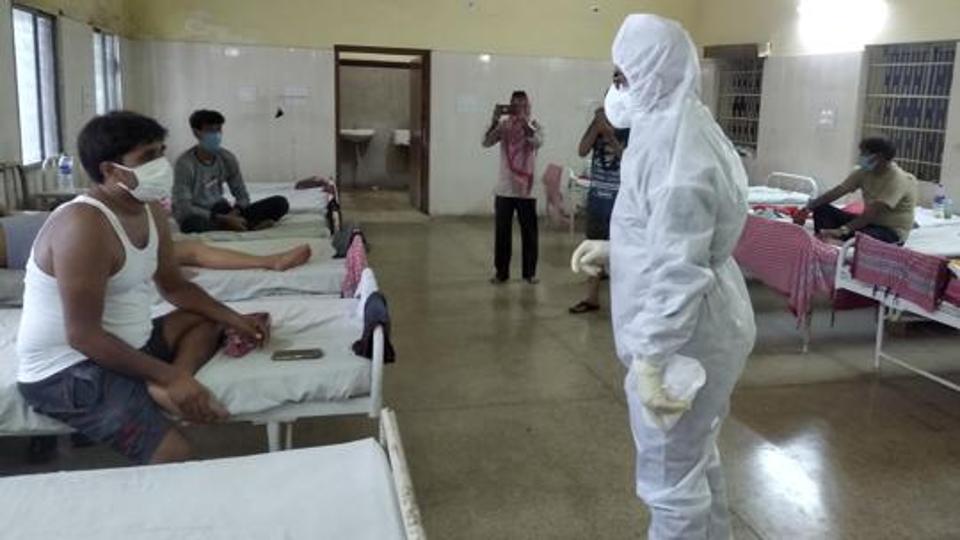
Pooja Priyamvada, a mental health first-aider and researcher, who also volunteers for one of the helplines, said mental health helplines play an important role to help frontline workers in need.
“Healthcare workers feel miserable when they are unable to help a patient with beds or special interventions that are not readily available. Their workload has increased exponentially and since it is crucial work, they can’t take a break,” said Priyamvada, who volunteers for the Co-Hope helpline, launched by Human Solidarity Foundation, a city-based NGO, last week.
A volunteer network, which includes psychiatrists, psychologists, life coaches, counsellors, and social workers, is working at the helpline that caters to the needs of healthcare and frontline workers. In the past week, organisers said at least 35 healthcare workers have approached them seeking mental health support.
According to Priyamvada, the fear of infecting loves ones also adds to the mental burden and despite constantly feeling overwhelmed, many cannot avail help due to poor support systems within institutes. “Doctors also have families back home. Even if they are not directly involved in Covid duties, they are visiting hospitals. They fear that they will carry the virus home to their family members. This fear leads to additional stress besides the general feeling of overwhelm,” said Priyamvada.
Also Read | Covid-19: MHA details steps taken to enhance oxygen supply
Medhavi Sood, a clinical psychologist, too has been offering free counselling service to healthcare workers, initially by herself through social media and now with a network of professional counsellors. Coming from a family of doctors, Sood said that she had closely seen family members and friends struggle due to the increasing death rate of Covid-19, adding that she started the service as she realised it was important for doctors to share their experiences and emotions.
“Due to the system failure and lack of basic requirements from oxygen to medicines, doctors are feeling helpless and tired. I’m afraid that compassion fatigue might set in with so much unfolding before healthcare workers. They hardly get the time to process these tragedies,” she said.
A 26-year-old junior resident at a city-based government hospital shared that while both physical and mental exhaustion at work were leaving doctors traumatised, most of them did not have the time to seek help. “It’s difficult to encapsulate what we face on a daily basis. There is a lot of helplessness. While we strive to save all patients, sometimes things don’t work in the patients’ favour. People hold us responsible if there is an oxygen crisis. Sometimes, critical patients die before treatment. It becomes difficult for us to break the news of death to the family which holds us accountable for things that are not in our control,” said the doctor, who declined to give her name.
Dr Rajesh Sagar, professor of psychiatry at the All India Institute of Medical Sciences, New Delhi, said while doctors take care of everyone else, their own mental health is often neglected. Sagar said that it is crucial for healthcare workers to take care of their mental health. “Many deaths are happening around us. Family members of doctors are also infected. Amid all this, they are delivering in a high-pressure environment. Social events and other avenues that allowed them to relax earlier are not happening. All these factors overwhelm doctors,” said Sagar.
He said that healthcare workers need to take care of their mental health and take steps to unwind and share their emotions. “Healthcare workers should not neglect their mental health. If your mental health is poor, your productivity is bound to be affected. Doctors should relax, exercise, and reach out for help, if needed,” said Sagar.
He said while there were helplines for healthcare workers, there is a lack of awareness about mental health. “When it comes to self, doctors don’t take help. It’s important to build awareness about mental health and available helpline so that people are motivated to use them,” said Sagar.


