
 E-Paper



Delhi Gate drain desilted after 40 yrs, to prevent central Delhi waterlogging
The drain will help reduce waterlogging in areas including ITO, Rajghat, Supreme Court periphery, Daryaganj, Chandni Chowk and Mathura Road, among others.

 Prefer HTon Google


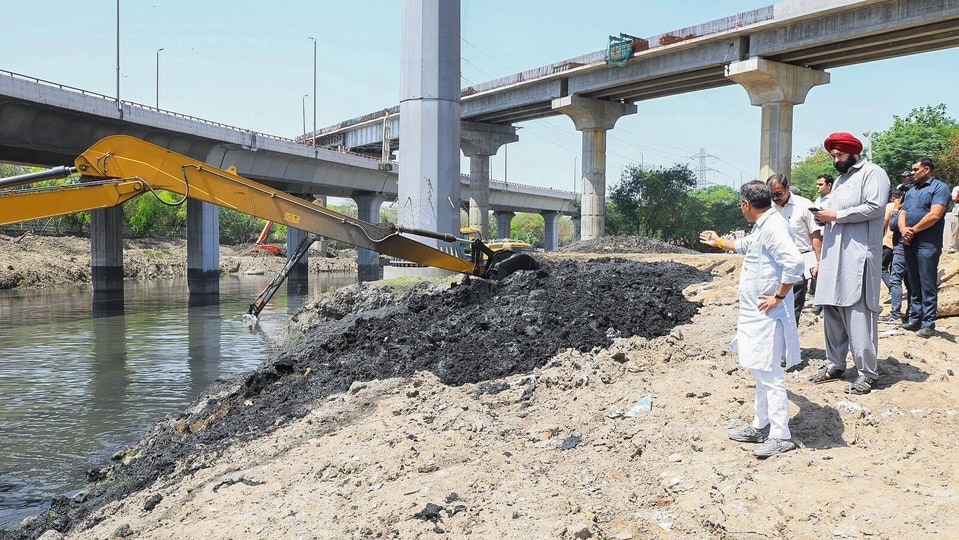
Nearly after 40 years, the Delhi Gate drain has been reopened post-desilting, and is expected to significantly reduce waterlogging in key central Delhi areas that face annual flooding, irrigation and flood control (I&FC) minister Parvesh Verma said on Friday.
According to officials, the drain will help reduce waterlogging in areas including ITO, Rajghat, Supreme Court periphery, Daryaganj, Chandni Chowk, Mathura Road, Jama Masjid, Feroz Shah Road, South Extension and Okhla.
“This is not just about cleaning drains; it is about correcting years of neglect and ensuring that Delhi is prepared before the rains arrive. The Delhi Gate drain, which remained covered for nearly 40 years, is now finally being reopened and cleaned properly. This will make a real difference on the ground,” said Verma.
Delhi witnesses waterlogging at several stretches every year during the monsoon.

The minister said the department has adopted a time-bound approach, with work starting early and being monitored regularly.
“Our focus is to start early, work with urgency, and complete desilting on time. The progress at Barapullah and Delhi Gate shows that work is happening seriously, not just on paper,” he said.
Verma, along with Delhi Gate, inspected the Barapullah drain. He said the desilting at Barapullah is nearing completion.
At Delhi Gate, more than 21,000 metric tonnes of silt have been removed, with 70% of the work completed after concrete slabs that had covered parts of the drain for decades were removed, the minister said.
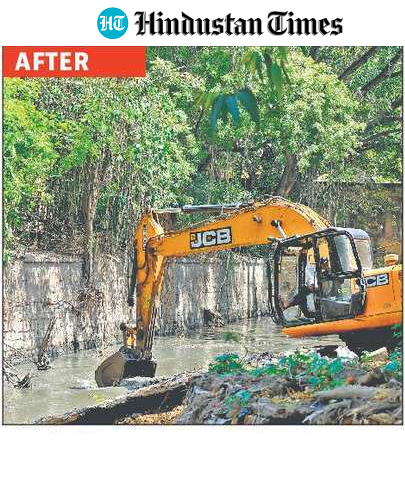
Across the city, Verma said, desilting of 77 drains is underway, with nearly half the work completed and over 14 lakh metric tonnes of silt cleared ahead of the monsoon.
Officials said the Delhi Gate and Barapullah drains are critical for carrying stormwater during peak rainfall and have historically contributed to flooding when not adequately maintained.
Around 400 metres of the Delhi Gate drain, passing through Samta Sthal park, had remained covered with concrete slabs supported by beams and columns, severely restricting access for maintenance and desilting, resulting in the accumulation of legacy silt and reduced carrying capacity, the minister said.
The drain originates in Daryaganj and flows for around 2.5 kilometres before outfalling into the Yamuna, serving as a key drainage lifeline for the surrounding areas.
“In addition to the Samta Sthal stretch, desilting has been carried out along segments adjoining Gandhi Darshan and at the outfall point. Work is also underway on the portion of the drain passing beneath a flyover downstream of Gandhi Darshan,” an official added.
At the Barapulla drain, a major channel serving several parts of south and central Delhi, more than 31,000 metric tonnes of silt have been removed to make the drain silt-free before the monsoon, the official said.


Stay updated with all top Cities including, Bengaluru, Delhi, Mumbai and more across India. Stay informed on the latest happenings in World News along with Delhi Election 2025 and Delhi Election Result 2025 Live, New Delhi Election Result Live, Kalkaji Election Result Live at Hindustan Times.


