
 E-Paper



Delhiwale: The way we were
A part of the city architecture becomes history

 Prefer HTon Google


Those white houses are gone. See the photo to know how they looked like. This site is now a levelled ground.
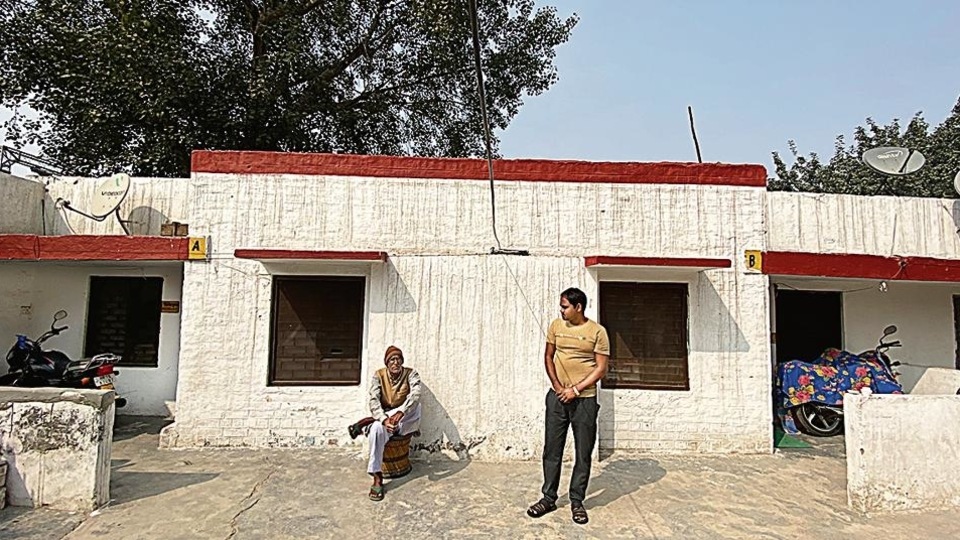
There used to be a straight row of seven homes. Painted in white, they resembled miniature, single-storey bungalows, like a Lutyens’ Delhi doll house. The residences were symmetric. A cement yard ran along the entire length. Railway tracks ran behind it. The tracks are still there.
The houses were part of the so-called railway colony in Gurugram, and were allotted to railway employees. The station is nearby. This afternoon, a group of railway employees are huddled around a table in the station’s backyard. One of them says the houses were razed “around 5-6 months ago”.
The housing gave this part of the world a sense of orderliness and also a feel of fine aesthetics. It was as if it were designed to permeate the daily existence of its inhabitants. The soothing simplicity was in dissonance with the chaotic architecture generally encountered in the Delhi region.
The island of subdued architectural elegance is now history.
During a visit to the area just before the pandemic started in early 2020, this reporter was able to see the houses. It was a sunny winter morning. Many residents were sitting outside on their respective porch.
One of them, Vinod Kumar — a “senior technician blacksmith” — had compared the colony to “swarg” (paradise). Each house, he explained, had two rooms, with a porch in the front and a courtyard in the back. Revealing that most dwellers preferred to lounge on the front porch than in the much more private courtyard, Mr Kumar reasoned that “out here, you feel the openness, and time passes quickly as you see people coming and going”.
The disappeared houses faced a row of newer (still existing) mustard-green, multi-storey apartment blocks. Gazing towards the flats that morning, Mr Kumar had said that the same kind of white houses had once stood there, too. “Our side also will be demolished to make way for such flats,” he had observed. A part of that prophecy has come true.
If you think of it, these multi-storey buildings are able to accommodate more households on the same acres. This afternoon, a woman is standing in one of the lower balconies. She looks surprised at the mention of white houses. “We moved in two months ago… no idea about them.”
All isn’t lost, though. One of those seven houses — the first one — is still standing. It’s vacant but intact.


