
 E-Paper



DJB 2026 rules ease tariff, metering norms, documents; individual water connections faster
DJB’s 2026 tariff and metering regulations ease documentation and connection norms, allowing individual water connections to dwelling units irrespective of building height.

 Prefer HTon Google


The Delhi Jal Board (DJB) has approved new water and sewer regulations aimed at simplifying the process of obtaining and regularising connections, easing documentation requirements and allowing individual water connections to dwelling units irrespective of a building’s height, senior government officials said.
The Delhi Water & Sewer (Tariff and Metering) Regulations, 2026, will replace the 2012 regulations and are also expected to speed up the process of issuing new connections, while introducing clearer provisions for billing, tariffs, infrastructure and security deposits.
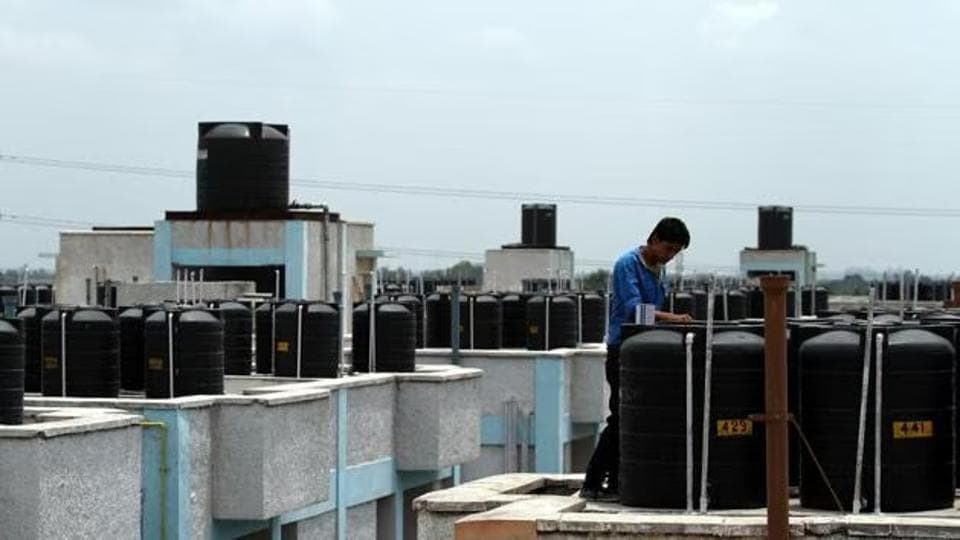
A senior government official said one key change is the provision for individual water connections to dwelling or non-domestic units irrespective of the height of the building, where technically feasible and prescribed conditions are met. Consumers will, however, be required to provide adequate water storage below 17.5 metres.
Under the 2012 rules, a maximum of six connections could be sanctioned in a residential building. “The new regulations allow individual connections to flats beyond this limit, provided the prescribed conditions are met, including the availability of a kitchen in each dwelling unit,” the official explained.
The 2026 regulations also seek to speed up the process of issuing new water connections and regularising unauthorised ones. “At present, applicants can take around 40-50 days to obtain a new water connection, with the process involving site inspection, issuance of a demand note and subsequent activation of the connection. Under the new system, the approval will be issued first, followed by site inspection,” an official explained.
“Under the existing process, the first step is submitting the application and the required fee. Within 7–15 days of application, a Junior Engineer inspects the site. If the site is found suitable, a demand note for payment is issued to the applicant within 3–5 days. The connection is activated within 15–30 days of the demand note payment. However, under the new regulations, a system is being devised to provide connections and undertake inspections later,” the official added.
The DJB has also sought to simplify documentation for new connections. The new metering rules aim at reducing the number of documents required from applicants, with Aadhaar or PAN among the key identity documents proposed to be accepted, officials said, adding that three documents would be sufficient for an application. The official quoted above said the new regulations do not propose any change in existing water tariff, connection or application charges.
The regulations also introduce clearer billing provisions for cases where meters are non-functional, locked or inaccessible. They streamline provisions governing tanker water supply and the use of treated or reclaimed wastewater.
“Households adopting rainwater harvesting and wastewater recycling will be eligible for rebates under the new framework, while consumers will have greater access to digital services through the DJB portal and app-based service requests,” an official added.


Stay updated with all top Cities including, Bengaluru, Delhi, Mumbai and more across India. Stay informed on the latest happenings in World News along with Delhi Election 2025 and Delhi Election Result 2025 Live, New Delhi Election Result Live, Kalkaji Election Result Live at Hindustan Times.


