
 E-Paper



Faecal coliform in Dwarka RWH pits due to poor upkeep, DJB tells NGT
Affidavit says contamination blocks adequacy certificates and water bill rebates until societies fix sewage ingress and comply with safety norms.


After faecal coliform was detected in rainwater harvesting (RWH) pits at 124 of the 144 group housing societies tested in Dwarka in September 2025, the Delhi Jal Board told the National Green Tribunal that the contamination is not due to any design flaw in its RWH systems but because of poor upkeep by housing societies that allowed sewage and other contaminants to enter the pits and pollute groundwater.
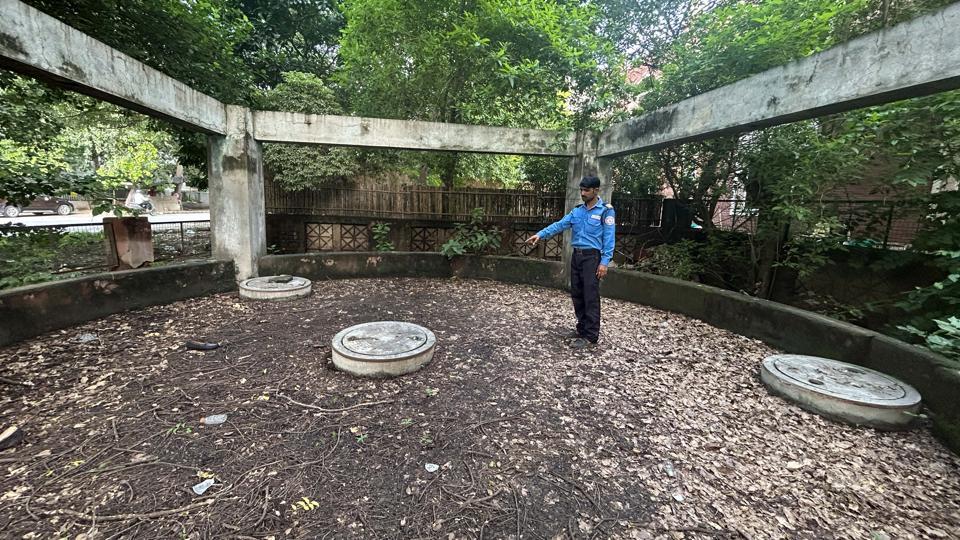
In an affidavit dated January 5, 2026, and uploaded on Tuesday, DJB stated that the presence of faecal coliform establishes a contamination risk that legally bars the issuance of adequacy certificates, which are mandatory for residential societies to avail a 10% rebate on water bills. The utility said such certificates will not be issued until corrective action is taken by societies.
The affidavit said inspections and sampling were conducted during the monsoon season, which DJB described as the most appropriate period to assess RWH system performance. “Any decision regarding issuance of an adequacy certificate will be taken only after due verification and thorough technical examination of the RWH system installed at the site,” the submission mentioned.
DJB further said that mandatory safety components such as overflow pipes and first-flush separators are non-negotiable elements of RWH systems as prescribed under binding NGT directions and national guidelines. Any relaxation or omission of these provisions would violate regulatory norms, it added. “Uniform application of technical norms is essential to avoid groundwater contamination and regulatory chaos,” the submission said.
The utility also denied any deliberate non-compliance or negligence, stating that it continues to act in conformity with NGT directions and guidelines of the Ministry of Jal Shakti, subject to site-specific feasibility and inter-departmental coordination.
The NGT has been hearing the matter since February 2023, following a complaint by a Dwarka resident alleging groundwater contamination due to RWH pits. A joint inspection by an NGT-appointed expert committee in May 2023, including officials from the Delhi Pollution Control Committee and DJB, had found RWH pits at 235 societies, with high ammoniacal nitrogen and total dissolved solids in 180 of them.
Last month, DJB told the tribunal that fresh samples from 144 CGHS societies found faecal coliform in 124 pits. Eight pits were dry, repairs were underway in seven societies, two systems were non-functional, and three societies refused sampling, the board added.


Stay updated with all top Cities including, Bengaluru, Delhi, Mumbai and more across India. Stay informed on the latest happenings in World News along with Delhi Election 2025 and Delhi Election Result 2025 Live, New Delhi Election Result Live, Kalkaji Election Result Live at Hindustan Times.


