
 E-Paper



Panic among thalassemia patients as Lok Nayak Hospital may halt treatment
The news of Dr Sudha’s retirement, which began circulating through informal channels in recent weeks, has led families to submit a formal representation to hospital authorities and seek immediate intervention.

 Prefer HTon Google


Dozens of families dependent on Lok Nayak Hospital for free thalassemia care have been left anxious after learning that the facility may soon discontinue treatment for patients above 12 years of age, citing the upcoming retirement of its only dedicated doctor.
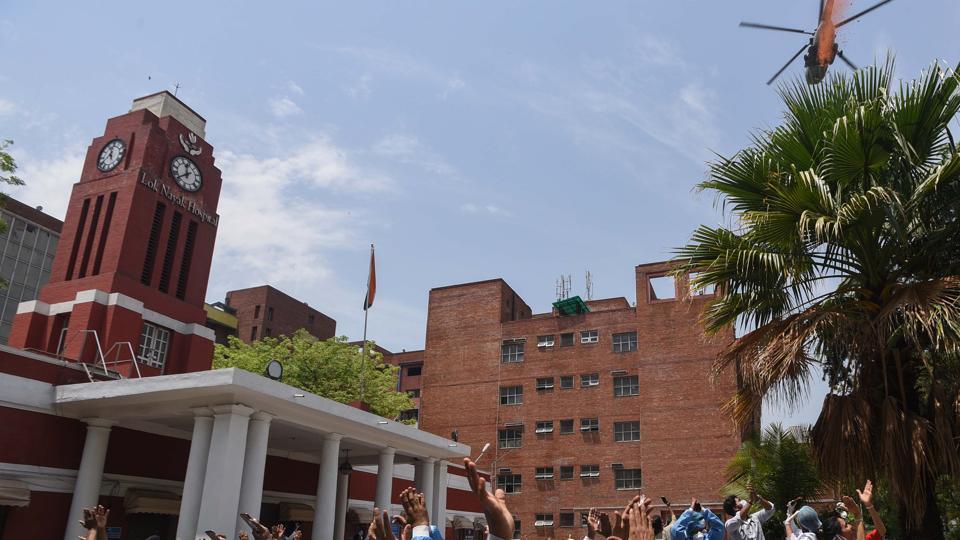
The development affects 63 adolescent and adult patients who have been receiving lifelong blood transfusions and medication at the Delhi government-run hospital. The news of Dr Sudha’s retirement, which began circulating through informal channels in recent weeks, has led families to submit a formal representation to hospital authorities and seek immediate intervention.
Charu, 24, who goes by her first name, has been receiving care at Lok Nayak Hospital since infancy. “Soon after her birth, my daughter was diagnosed with thalassaemia, and since then we have been taking her to Lok Nayak Hospital, which is close to our house, for treatment. This includes getting blood transfusions done twice a month and collecting her medications,” said her mother, Kiran.
The exact date of Dr Sudha’s retirement remains unclear.
Kiran said she first heard about the disruption in services from other parents. “Later, we were told by the staff that the only doctor from the thalassaemia ward, who treats patients above 12 years of age at Lok Nayak, is set to retire and that we should look for an alternative place for treatment,” she added.
Her husband, Narendra, 50, highlighted the financial strain such a move would cause. “At a private hospital, a one-time blood transfusion costs around ₹12,000, and many adults require transfusions at least twice a month. Most families cannot afford such expensive treatment, so an alternative is not accessible for many.”
Another patient, Md Kashif, 28, said, “How can a government hospital deny treatment to people on the pretext of their doctor retiring? Should they not think of getting a replacement instead of asking people to look for alternative treatments?”
When asked about space for additional specialists in the hospital, the director did not respond.
On August 1, families of affected patients submitted a written appeal to the hospital administration, requesting the appointment of a permanent doctor from the General Medicine department to ensure continuity of care. “We have recently received the information that Dr is going to retire in the next few months. Hence, we humbly request you… to make a permanent arrangement,” the letter read. HT has seen the representation.
Kashif said the families also met the medical director of the hospital and were assured a solution would be explored. “However, we have not been given any update. On Thursday, the families are planning to reach out to hospital officials again,” he added.
As of Tuesday, Lok Nayak Hospital has not issued any official response to the representation or the status of services for these patients.
Officials from the Delhi health department did not respond to HT’s request for a comment on the matter.

Stay updated with all top Cities including, Bengaluru, Delhi, Mumbai and more across India. Stay informed on the latest happenings in World News along with Delhi Election 2025 and Delhi Election Result 2025 Live, New Delhi Election Result Live, Kalkaji Election Result Live at Hindustan Times.


