
 E-Paper



From farmland to fast lanes, Gurugram’s journey through the eyes of a longtime resident
For Kishore, Gurugram’s growth mirrors the aspirations of India’s urban middle class, driven by new housing and the Dwarka Expressway

 Prefer HTon Google


In 2007, when Rohit Kishore first moved to Kendriya Vihar in Gurugram, the city looked nothing like the buzzing metropolis it is today. Wide stretches of agricultural land dominated the skyline, roads were dimly lit, and modern infrastructure was just beginning to emerge. Nearly two decades later, he has seen the Millennium City transform into a landscape of posh residential societies, commercial hubs, luxury hotels, sprawling parks and some of the finest restaurants in the country.
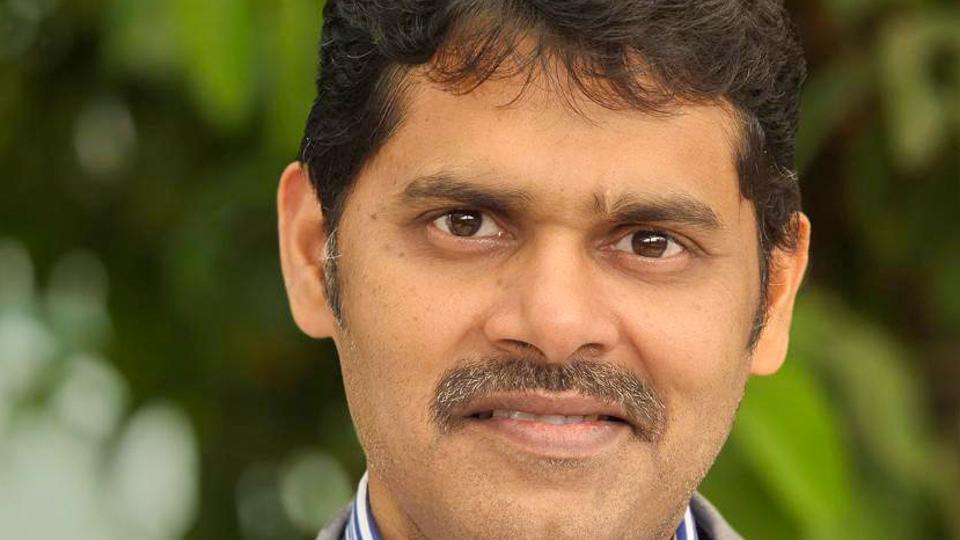
“What once felt impossible has now become possible,” he said, recalling his early years in the city. “The stretch from Iffco Chowk to Sector 56, for example, was once isolated and even scary to travel at night. Today, it has turned into one of the most vibrant and posh roads in the city, lined with offices, apartments and well-lit avenues.”
For Kishore, Gurugram’s transformation represents the aspirations of India’s urban middle class. The rise of residential projects and the expansion of the much-awaited Dwarka Expressway have made the city a magnet for professionals and entrepreneurs.
Buying a home here, he believes, has become a dream for thousands of people who work in the city. “Owning a house in Gurugram has become a dream for every working professional,” he said. “The infrastructure, the opportunities and the lifestyle are all part of the promise the city makes to its residents.”
But even as Gurugram dazzles with glass towers and high-rises, some gaps remain. Kishore pointed out that while major roads and real estate corridors showcase world-class development, the internal road network and basic services such as drainage and sewers are still catching up.
“There are areas where infrastructure improvements need to match the aspirations of the people. These issues tend to resurface during the monsoon, and residents hope for more long-term solutions,” he said.
Despite these hurdles, he said the pace of life in Gurugram keeps its citizens motivated. The city has a rhythm similar to other global metropolitan hubs, with an energy that draws people to work harder and chase their ambitions. “It’s a fast-moving city, and the speed of life here is something I really like,” Kishore said. “The energy is contagious. People come here with a dream, and they find opportunities to make those dreams real.”
For him, Gurugram’s strongest quality is its sense of community. From Durga Puja celebrations and Dussehra melas to local fairs and cultural festivals, he said, the city thrives on togetherness.
“There are good Samaritans everywhere,” Kishore said. “I have seen people come onto the streets to clean, I have seen expats joining local initiatives, and I have seen communities rally together to solve problems. That’s the true spirit of Gurugram.”
Even amid its concrete growth, Kishore treasures the city’s natural beauty. His favourite spots include the Aravallis, the Leopard Trail and the green open spaces that still exist around the city. “The Aravallis are the lungs of Gurugram. Spending time there connects us to nature and reminds us that this city is not only about skyscrapers but also about its heritage and natural spaces,” he said.
For him, Gurugram represents a rare mix of opportunity and culture. Its luxury hotels, fine dining restaurants, community-driven societies and sprawling housing complexes stand as a symbol of ambition and modernity. “Every few years, something new emerges — a road, a project, or a landmark — and the city reinvents itself,” Kishore said.
Having lived here for 17 years, Kishore believes Gurugram embodies India’s broader journey — ambitious, chaotic, resilient and constantly evolving. “This city has grown with me, and I’ve grown with it. Gurugram is where impossible things have become possible.”
(Rohit Kishore is a resident of Sector 76 and CEO of Hero Realty )


Stay updated with all the Breaking News and Latest News from Mumbai. Click here for comprehensive coverage of top Cities including Bengaluru, Delhi, Hyderabad, and more across India along with Stay informed on the latest happenings in World News.


