
 E-Paper



Gurugram’s growth story has its pains
For Deepak Sangwan, Gurugram’s journey reflects the larger story of modern urban India — fast-moving, ambitious, and constantly evolving.

 Prefer HTon Google


Gurugram: Gurugram stands as one of India’s most aspirational cities — a place that has attracted people from every corner of the country and even across the world. Some came here to build businesses, some arrived searching for careers, and many invested their life’s savings to buy a home and create a future for their families. Over the years, the city has embraced everyone who carried ambition in their hearts and dreams in their eyes.
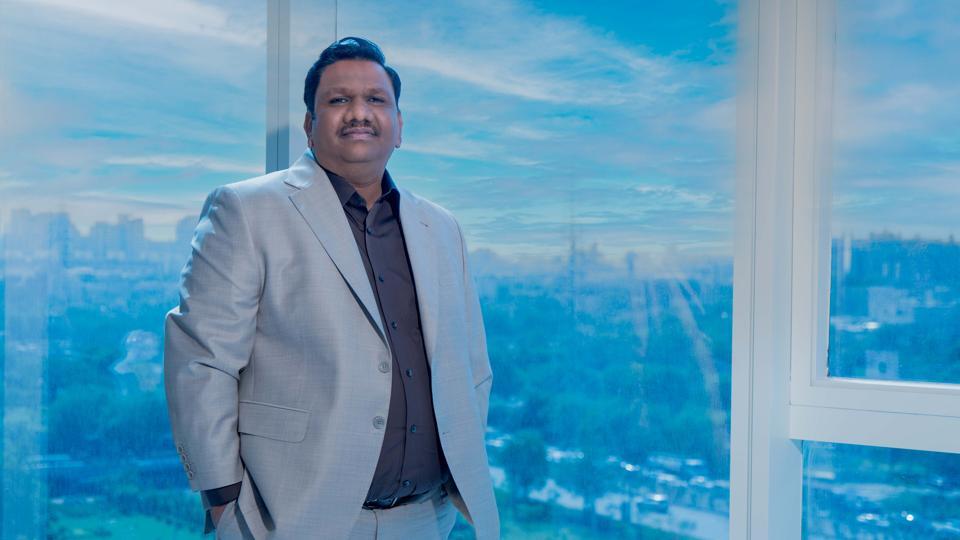
For Deepak Sangwan, a resident of DLF Phase-1, Gurugram’s journey reflects the larger story of modern urban India — fast-moving, ambitious, and constantly evolving. Having moved to the city nearly two decades ago, Sangwan has seen Gurugram transform from a developing satellite town into a major global business and residential hub.
He says, “When I first came here, the skyline itself looked like a promise of the future. Every year brought new roads, residential complexes, office towers, and infrastructure. It felt like the city was reinventing itself every single day.”
That transformation, according to him, made Gurugram unique. From luxury condominiums and gated communities to affordable housing pockets and bustling markets, the city evolved into a destination for people across all age groups and economic backgrounds.
“It is a city for aspirational people. Whether someone wants to build a startup, pursue a corporate career, raise a family, or invest in a better lifestyle, Gurugram offers something for everyone,” Sangwan says.
Today, the city is home to global corporations, thriving business districts, entertainment hubs, shopping malls, restaurants, sports infrastructure, luxury hotels, and rapidly growing residential communities. Over time, Gurugram has become more than just a real estate success story; it has become a symbol of ambition and upward mobility.
But beneath the gleaming skyline and modern infrastructure lies another reality — the growing pains of rapid urbanisation.
Sangwan says one of the most painful aspects of Gurugram’s growth story has been the crisis of stalled housing projects. Thousands of families who invested in homes years ago were forced into long periods of uncertainty as projects remained delayed or incomplete.
“It is heartbreaking to see families wait endlessly for homes they dreamed about for years. For many people, buying a house is the biggest financial and emotional investment of their lives. Some are still waiting for possession despite years passing,” he says.
According to him, the real estate sector must evolve beyond construction and focus more on responsibility, transparency, and timely delivery. “A home is not just a building. It carries emotions, security, and future aspirations for families.”
At the same time, Gurugram’s civic infrastructure continues to face mounting pressure. Waterlogging during monsoons, traffic congestion, waste management concerns, and uneven public services remain recurring issues for residents across sectors and colonies.
Sangwan believes the city has reached a stage where planning can no longer be reactive. “Infrastructure and development must grow together. Roads, drainage systems, mobility networks, and public services cannot be treated as secondary priorities.”
Despite the challenges, Sangwan remains optimistic about Gurugram’s future.
“This city still feels like a dream city to me. But Gurugram’s future must now be built with stronger planning, accountability, and a deeper commitment to the people who have made this city their own.”
(Deepak Sangwan is the chairman of Origen Realty and lives in DLF Phase-1)


Stay updated with all the Breaking News and Latest News from Mumbai. Click here for comprehensive coverage of top Cities including Bengaluru, Delhi, Hyderabad, and more across India along with Stay informed on the latest happenings in World News.


