E-Paper



21,000 students, 2,900 beds: LU’s hostel capacity fails to keep pace with student growth
LU, for the moment, is looking to the Uttar Pradesh government to bridge the gap. A proposal for a 350-seater girls’ hostel has been approved and construction is expected to begin soon. The university is also preparing a proposal for another hostel, while plans for two more hostels at the second campus have been sent to the government seeking approval and financial assistance.

 Prefer HTon Google


For every hostel bed at the century-old Lucknow University (LU), there are several students waiting for one. With around 21,000 students enrolled across its two campuses but accommodation for only 2,900, the university’s widening hostel gap has come into sharper focus after the collapse of a five-storey paying guest (PG) building in Delhi’s Satya Niketan on September 6.
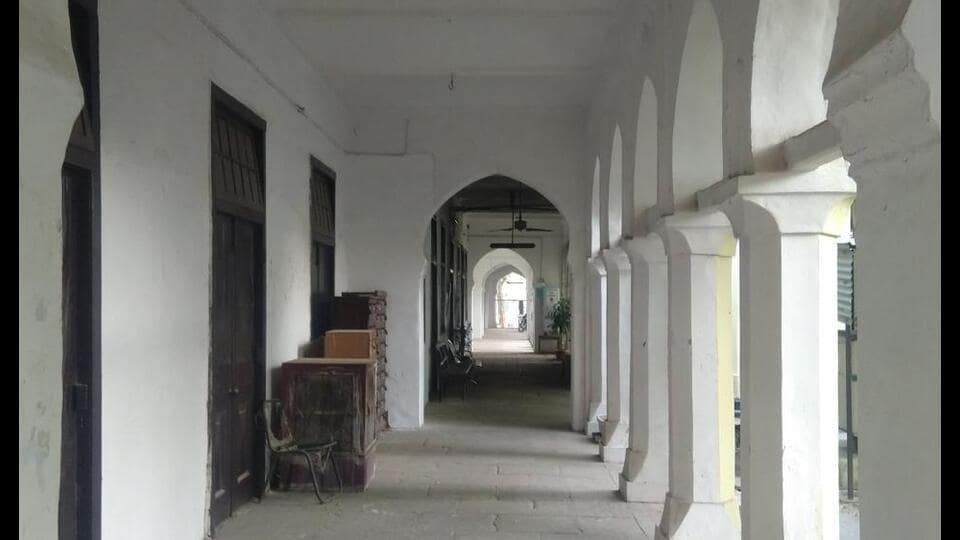
LU, for the moment, is looking to the Uttar Pradesh government to bridge the gap. A proposal for a 350-seater girls’ hostel has been approved and construction is expected to begin soon. The university is also preparing a proposal for another hostel, while plans for two more hostels at the second campus have been sent to the government seeking approval and financial assistance.
LU has 18 hostels, nine each for boys and girls, with 1,700 beds for girls and 1,200 for boys. But around 1,750 of these beds are occupied by students continuing from previous academic years, leaving only about 1,150 beds for nearly 10,000 new undergraduate and postgraduate students seeking admission.
LU registrar Bhavna Mishra said the existing capacity was insufficient to meet the demand. “We have only 18 hostels which is insufficient to meet growing demand for hostels. Last year we sent a proposal for a hostel which has been approved by the state government. The construction work will begin for a 350-seater girl hostel. We will send a proposal for another hostel and we hope that the government will approve it,” she said.
The shortage is particularly difficult for students from Purvanchal and other districts who come to Lucknow for higher studies. Many are forced to depend on private hostels in Narhi, Daliganj and Aminabad, or rent flats in Nirala Nagar and Aliganj.
LU hostel fees range from ₹4,800 to ₹25,000 a year, depending on the hostel and room type. Fees for older hostels are lower, while newer or upgraded facilities cost more.
Private accommodation is often more expensive, while staying farther from campus also adds to daily commuting costs. University hostels remain in demand because their fees are comparatively affordable.
With student numbers rising and existing hostel capacity largely occupied by continuing students, LU’s immediate relief rests on the proposed 350-seater girls’ hostel and the government’s response to its other hostel proposals.