
 E-Paper



60,000-page chargesheet filed in Ram temple donation ‘theft’ case
SIT charges eight accused before anti-corruption court in Ayodhya; probe covers cash pilferage during counting, valuable donations and financial trail

 Prefer HTon Google


The Supreme Court-mandated Special Investigation Team (SIT) on Wednesday filed a more than 60,000-page chargesheet against eight accused in the alleged Ram temple donation theft case before the anti-corruption court in Ayodhya detailing the findings of an extensive three-track investigation into alleged cash pilferage, valuable donations and the financial dealings of the accused, senior police officials privy to the investigation said.
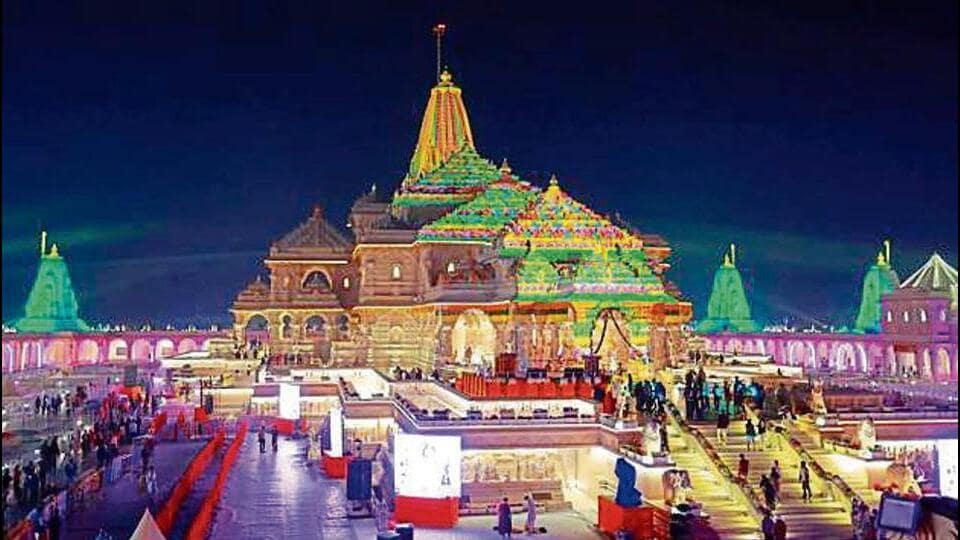
The chargesheet, described by people aware of the development as one of the most voluminous prosecution documents in the case, contains the findings of the investigation into the handling of cash collected at the Ram temple, its subsequent movement to banks and the accounting and verification of valuable donations.
According to a senior police official privy to the investigation, the chargesheet is accompanied by documents relating to bank transactions, properties, assets and other financial dealings of the accused. The prosecution documents also incorporate findings of a separate forensic audit ordered as part of the Supreme Court-mandated probe.
The SIT, headed by Lucknow range inspector general of police Kiran S, found evidence of 105 instances of alleged unauthorised removal or concealment of cash during the counting process inside the temple premises, a senior police official privy to the investigation said. Investigators, however, found no evidence of pilferage while the segregated and counted cash was being transported to banks for deposit, the official added.
The eight accused—Avinash Shukla, Anukalp Mishra, Lavkush Mishra, Manish Kumar Yadav, Karunesh Pandey, Ramashankar Mishra, Subhash Srivastava and Ram Shankar Yadav alias Tinnu–were arrested on June 26.
Three-track investigation
According to senior police officials privy to the investigation, the first track focused on the handling of cash from donation boxes and counters—from counting and segregation to preparation for bank deposits.
Investigators examined CCTV footage, witness statements, donation records and electronic evidence and identified 105 instances in which cash was allegedly removed or concealed without authorisation, the officials said.
The second track examined the movement of counted and segregated cash from the temple to banks. Banking records, deposit documents and the movement of cash were scrutinised, but investigators found no evidence of pilferage at this stage, people aware of the investigation said.
The third track focused on valuable donations. The SIT physically verified 803 valuable articles for which receipts had been generated through the temple trust’s software and found no discrepancy after reconciliation with the records, according to a senior police official privy to the probe.
Another 86 valuable articles for which receipts were not available were separately identified and physically verified to determine whether the absence of receipts indicated any missing or unaccounted-for donations, the official said.
The investigation also covered allegations relating to donated silver, including 200 kg of silver bricks and another consignment weighing 38.288 kg, besides a silver necklace, a pair of Charan Paduka and a copy of the Ramcharitmanas, sources aware of the development said.
Around 944.411 kg of silver sent for melting to the Security Printing and Minting Corporation of India Ltd (SPMCIL) was also verified during the probe, the sources said.
Financial trail of eight accused examined
Alongside the three-track investigation, the SIT carried out a detailed examination of the financial affairs of the eight accused, according to senior police officials privy to the investigation.
Investigators scrutinised their bank accounts, deposits, withdrawals and other transactions, besides examining properties, vehicles, jewellery, construction expenditure and other assets, the officials said.
The material has been included in the chargesheet to document the financial trail and examine whether the assets and expenditure of the accused were commensurate with their known sources of income, a senior police official said. The findings of the financial investigation were supplemented by a separate forensic audit, the official added.
173 witnesses examined
The SIT examined 173 witnesses, including temple trust functionaries, personnel involved in counting donations, bank officials, security personnel, CCTV operators, chartered accountants and vendors, according to sources aware of the investigation.
Investigators also examined CCTV footage, digital records, donation and banking documents, recovery material, property records and forensic evidence to reconstruct the alleged transactions and establish the sequence of events, the sources said.
The 105 alleged unauthorised cash-removal instances identified by the second SIT are higher than the 70 alleged theft instances identified during the initial probe by the first SIT headed by Lucknow divisional commissioner Vijay Vishwas Pant, according to a senior police official privy to the investigation.
Chargesheet filed ahead of deadline
The second SIT was constituted by the Supreme Court in July, with Kiran S as its head and DIG Ayodhya Somen Barma and SSP Ayodhya Gaurav Grover as members. The court also directed the inclusion of a forensic auditor in the investigation, according to sources aware of the development.
The chargesheet was filed before the anti-corruption court in Ayodhya days ahead of the September 25 deadline, when the 90-day period from the arrest of the first accused was due to expire, people aware of the matter said.


