
 E-Paper



72% stray dogs sterilised, but still another decade for efforts to pay off
Surveys carried out by an NGO showed that the dog population density has grown by a meagre 1% in the last three years.


Even with the ongoing stray dog sterilisation programme, which has been in effect since September 2019, experts indicate that it can take another decade before any noticeable impact is seen on the streets of the state capital. Meanwhile, official data suggests that 71.9% or around 73,000 stray dogs had been sterilised by December last year in Lucknow.
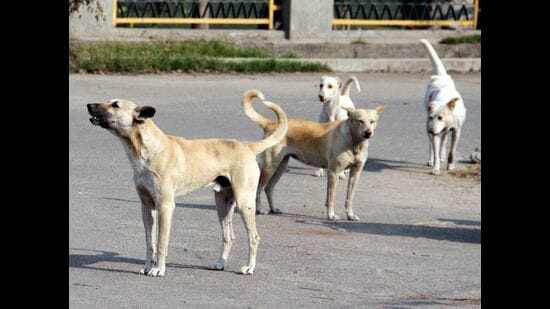
“We have to first aim at reducing the population (of stray dogs), or for it to remain within a very specific range, before hoping to stabilise it,” said Keren Nazareth, senior director at Humane Society of International (HSI), an international animal rights organisation that has partnered with the Lucknow Municipal Corporation for the sterilisation programme.
“One of the tangible indicators of the initiative’s impact is fewer lactating or pregnant dogs, and fewer litters. Beyond that, it’s a waiting game as we continue to sterilise dogs over the age of six months. The impact may be seen in another 7-8 years at the least,” said Dr. Sanjay Ahir, a veterinarian at HSI’s Lucknow unit.
Ahir noted that earlier 100 such surgeries were conducted at the facility every day on average. However, a recent guideline by Animal Welfare Board of India has brought down the number since it asks that dogs be kept at facilities for at least five days for better recovery before they are discharged. “So, we are not able to perform more than 60 surgeries a day,” he added.
The HSI team performed sterilisation of 2,816 dogs in 2019, 10,641 in 2020, 15,598 in 2021, 19,682 in 2022 and 22,774 last year, indicating that the number of surgeries has gone up by over eight times since the drive was launched.
Surveys carried out by the NGO, meanwhile, reflected that the dog population density has grown by a meagre 1% in the last three years.
Amit Chaudhary, the head of surveys carried out by HSI, explained that roads spanning around 265 km across all eight zones of the city were surveyed twice a year.
In 2019, the survey reflected that Lucknow was home to 75,678 dogs (estimated), and a 1% rise in density would mean that in three years, the dog population rose by a meagre 800 (approximate).
“Legally, stray dogs cannot be harmed or relocated. It always takes time for the impact of a sterilisation drive to start showing... If the goal is to stabilise dog population, then the first step is to aim at reducing their population significantly,” Nazareth added.


