E-Paper



Election of MLCs by MLAs: After Rajya Sabha nominations, BJP, SP face another numbers game in UP
Expected in November-December, the elections will see MLAs vote to elect members to the Upper House, bringing party strength and the management of legislators back into focus. The contest comes after the Rajya Sabha nominations brought the possibility of cross-voting and the risks associated with fielding additional candidates into focus.

 Prefer HTon Google


The political manoeuvring witnessed during the Rajya Sabha elections in Uttar Pradesh earlier this month could find an echo in the upcoming polls to 10 Legislative Council seats, with the ruling Bharatiya Janata Party (BJP) and the Samajwadi Party (SP) facing another test of numbers, candidate selection and the possibility of cross-voting ahead of the 2027 Assembly elections.
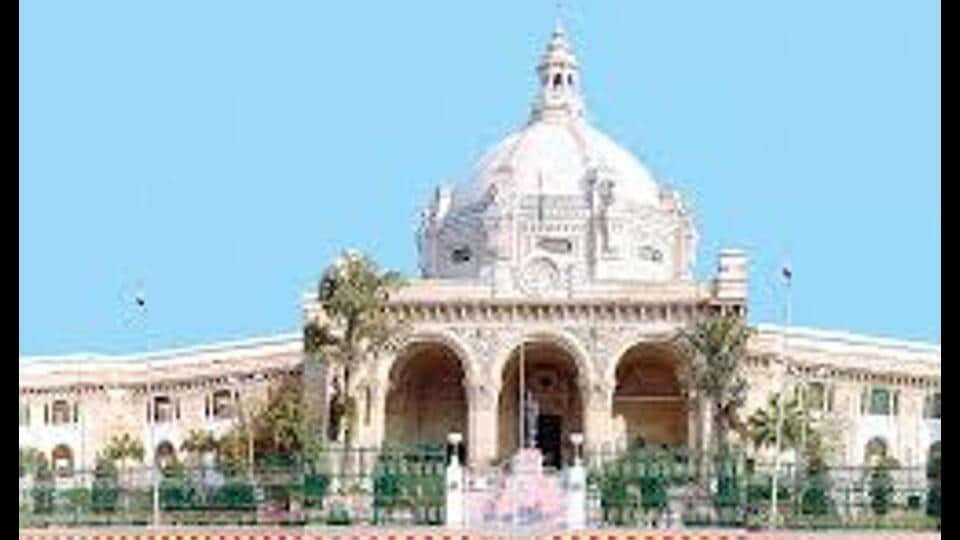
Expected in November-December, the elections will see MLAs vote to elect members to the Upper House, bringing party strength and the management of legislators back into focus. The contest comes after the Rajya Sabha nominations brought the possibility of cross-voting and the risks associated with fielding additional candidates into focus.
The terms of the 10 sitting MLCs in the 100-member Upper House expire on January 30, 2027. The Election Commission of India (ECI) is expected to hold the polls one or two months earlier, with the model code of conduct for the Assembly elections likely to come into force in January.
“The ECI will issue the notification for the elections to the 10 MLC seats under the Assembly areas well in advance and most likely in November, as it has done in case of Rajya Sabha seats and MLC seats under the teachers’ and graduates’ constituencies,” a senior BJP leader said.
Based on the present Assembly strength, the BJP-led National Democratic Alliance (NDA) could win eight of the 10 seats, while the SP could secure two.
The seats were last contested in January 2021, when the BJP had 304 MLAs and the SP 47. With 31 first-preference votes required to win a seat at the time, the BJP won nine seats and the SP one.
The BJP currently has 256 MLAs, while the SP has 101. Including its alliance partners, three unaffiliated MLAs and two legislators of Raja Bhaiya’s Jansatta Dal Loktantrik, the NDA’s effective strength is estimated at 294. The Bahujan Samaj Party (BSP) has no representative in the Assembly following the recent death of its lone MLA.
Nine of the 10 sitting MLCs whose terms are ending belong to the BJP and one to the SP. The BJP members are Legislative Council chairman Kunwar Manvendra Pratap Singh, Dharmendra Singh, Swatantra Dev Singh, Arvind Kumar Sharma, Ashwini Tyagi, Govind Narayan Shukla, Dharmveer Prajapati, Salil Vishnoi and Surendra Chaudhary.
Swatantra Dev Singh is the minister for Jal Shakti, while Arvind Kumar Sharma holds the urban development and energy portfolios. Dharmveer Prajapati is also a minister in the Yogi Adityanath government. Three of the BJP MLCs whose terms are ending are Cabinet ministers.
The SP member is veteran leader Rajendra Chaudhary. All 10 MLCs assumed office on January 21, 2021, after being elected to the Upper House by MLAs. Their six-year terms will expire on January 30, 2027.
The Rajya Sabha polls earlier this month brought cross-voting concerns into focus, with the BJP and SP avoiding additional candidates. Whether they follow the same strategy in the MLC elections remains to be seen.