
 E-Paper



KGMU trauma centre plans new block with 500 beds
King George's Medical University trauma center in India plans to double its patient capacity by adding a new block with 500 beds. The current trauma center has about 400 beds and receives patients not only from Lucknow but also from other districts and even Nepal. The expansion aims to alleviate the pressure on the center and ensure that all patients receive timely treatment.

 Prefer HTon Google


In its first ever mega expansion plan the King George’s Medical University (KGMU) trauma centre, the state’s first trauma centre, is planning to double its patient capacity by adding a new block with 500-beds.
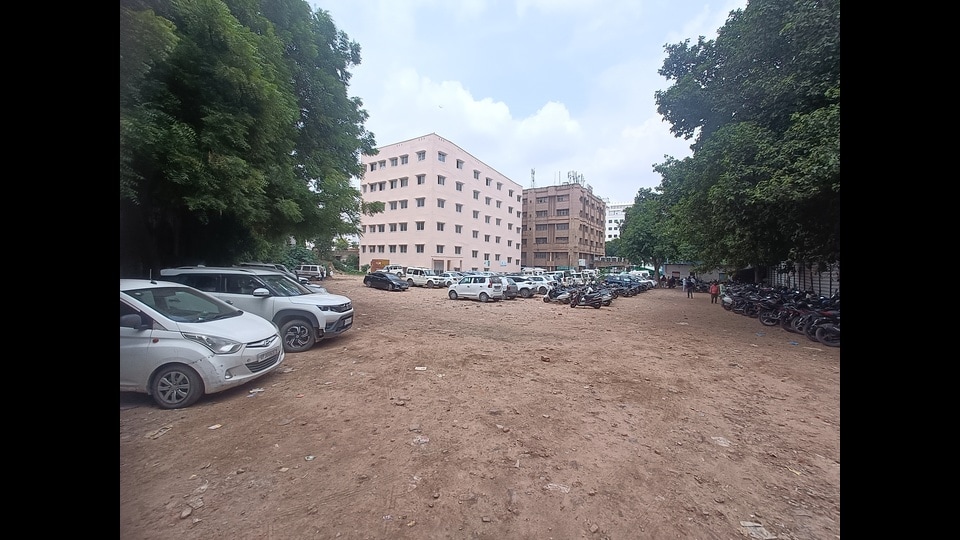
“Proposal for a new block adjacent to the main gate has been prepared and submitted with the state administration,” said prof Sandip Tiwari, chief medical superintendent of the trauma centre.
The new block will come up on the land where the old nursing block existed.
The present trauma centre is built on one lakh sq feet area and has been functional since December 2003. Initially it had 150-beds for admitting patients. Slowly it increased its capacity and now has about 400-beds.
“Being the apex trauma centre, we have pressure of serious patients. We get patients not just from Lucknow but even from Nepal. The number of those referred here from other districts is over 50 on any given day,” said prof Tiwari.
“A serious patient on an average takes around 24-hours to 48-hours to become stable and shifted out of trauma centre to ward in the main hospital. This means if one day all beds are full, patients have to be kept in waiting or admitted on stretcher or referred to another hospital. With more beds this crisis will get over,” said Dr Abhishek Shukla, secretary general association of international doctors.
“The new block has been designed keeping in view the need for quick treatment of serious patients with modular operating theatres along with all necessary equipment,” said prof Tiwari.
Trauma centre is a self-contained unit wherein all the requirements for complete trauma and emergency services are available under one roof including CT scan, ultrasound, x-ray, mobile x-ray and portable ultrasound, pathology and biochemistry labs having autoanalysers. Trauma centre has doctors from department of orthopaedic, surgery, emergency medicine, medicine, paediatric, trauma surgery, neurology, neuro surgery and a ventilator unit.
The new block will be designed in such a manner that the ambulance could reach the nearest point in the triage area. A triage area is a place in a hospital or emergency complex where sorting of patients by priority for treatment, evacuation or transport is done. So, the most serious one gets first attention. Getting ambulance closest to the triage area means patients will get the least shock during shifting from ambulance to bed.
Why the need for the new block:
* KGMUTC has 400 beds for patients
* The daily flow of patients is between 350 and 450
* A patient on average takes between 24-hours and 48-hours to be stable enough to be shifted out of trauma centre to ward in the main hospital


