E-Paper



Time for BJP to introspect after MLC poll setbacks before the bigger test of 2027 UP assembly elections
Despite extensive campaigning and organisational mobilisation, the BJP failed to improve on its 2020 tally, prompting calls to review candidate selection and local-level dissent.

 Prefer HTon Google


The outcome of elections to 11 Uttar Pradesh Legislative Council seats (graduates and teachers’ constituencies) has come as a cause of concern for the ruling BJP ahead of the 2027 assembly polls.
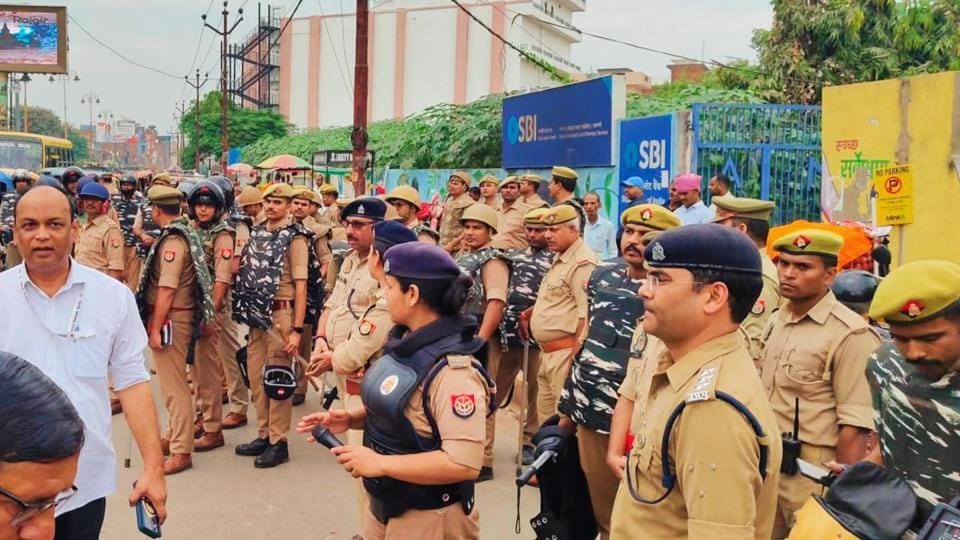
Though the BJP’s final tally matches its previous victories in six seats in 2020, the Samajwadi Party clearly gained by winning an additional seat and leading in another.
“Given the amount of effort the party put in, with senior leaders from the organisation and government campaigning, review meetings being held and the cadre mobilised, the results are disappointing to say the least, “ a senior BJP leader admitted. He said the advantage of being in power and announcing policy initiatives during the campaign also did not translate into the expected outcome. These results, he said, drew a line of worry before 2027.
While these were small elections in terms of the electorate size, their outcome may send a bigger political message when both the BJP and the SP prepare for a fierce fight only a few months later. The fact that these elections involved educated and largely urban voters, mostly seen as the BJP supporters, make the results even more significant for the ruling party.
The BJP’s defeat to the SP in both the Varanasi teachers’ and graduate constituencies, in Prime Minister Narendra Modi’s parliamentary constituency is being seen as a setback for the party.
The SP’s victory in the Agra teachers’ constituency has added to the BJP’s concerns, while the close contest in Gorakhpur-Faizabad has drawn attention because the constituency includes the chief minister’s home turf and Faizabad is the region that has been the hot spot of Hindutva. The BJP’s rebel candidate there gave a neck-and-neck fight to the BJP’s official candidate amid objections over the counting process.
The results come days before the BJP’s state working committee meeting in Lucknow, which Union home minister Amit Shah is expected to attend. The meeting assumes significance in the context of the party’s preparations for the 2027 assembly elections and the need to assess its organisational readiness and electoral strategy. The MLC polls outcome may emerge as an important issue during the high-profile meeting.
The SP wrested the Lucknow graduates’ seat from the BJP. Traditionally the BJP’s stronghold, Lucknow is represented by defence minister Rajnath Singh in the Lok Sabha.
Political scientist Shashi Kant Pandey said the BJP’s advantage of being in power should have worked in its favour, but the results suggested otherwise.
“Though these elections are different from assembly polls, the electorate here also reflects broader public sentiment. The results should serve as an alarm bell for the BJP ahead of the 2027 assembly elections that are just round the corner,” he said.
For the BJP, the immediate task, according to him, should be to examine why its extensive mobilisation did not yield the expected gains in some constituencies.
“Candidate selection, local-level dissent, the appeal of rival candidates and issues affecting teachers and graduates are among the factors that merit closer scrutiny,” Pandey said.
Talking to a section of the media, deputy chief minister Keshav Prasad Maurya said, “We expected to win more seats and would examine the reasons for falling short, including how the SP managed to win in constituencies where the BJP had not expected it to.”
Deputy chief minister Brajesh Pathak said the party would analyse the results and review the constituencies where it had lost, while asserting that the BJP would return to power with a massive majority in 2027.