E-Paper



UPPCL will turn to AI to fix billing issues, track outages
On the cards are 100-seat call centre, GPS tracking of maintenance vans; 15-day deadline set for new grievance helpline

 Prefer HTon Google


LUCKNOW Power consumers in Uttar Pradesh can expect swifter resolution of billing complaints and fewer prolonged outages with the UP Power Corporation Ltd (UPPCL) ordering a technology-driven overhaul of its billing and supply networks.
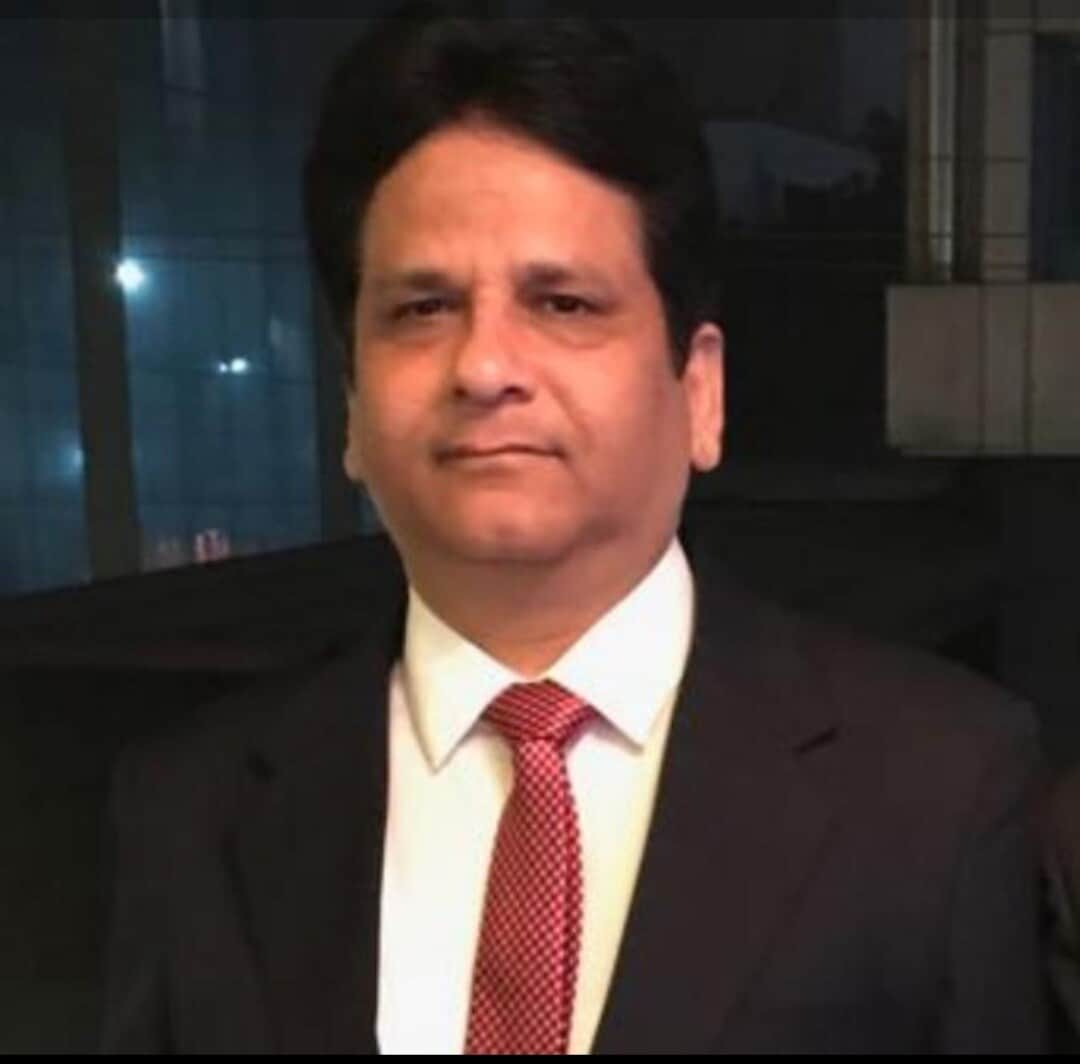
New UPPCL chairman and principal secretary, energy, Ranveer Prasad asked discoms to deploy artificial intelligence (AI) to detect abnormal billing patterns, establish a 100-seat call centre exclusively for billing complaints and introduce real-time monitoring of power supply at the feeder level.
“The measures focus primarily on improving electricity billing and supply with greater use of data analytics, automated alerts and digital tracking,’ said a senior UPPLC official.
As per an official communication made to officials following the meeting, UPPCL will develop a comprehensive billing dashboard to provide daily data on billing, bill generation and collections. The system will flag exceptions, particularly sudden jumps in bills and analyse a consumer’s consumption behaviour over the preceding three months.
Exceptions and automated bill holds will be triggered on the basis of consumption units rather than only the billed amount. Every billing exception will have to be flagged and followed up through call to the consumer concerned.
“The corporation will procure a CPU and deploy AI to analyse billing exceptions, identify possible reasons for sudden bill spikes and detect abnormal load patterns,” the official said.
For grievance redress, UPPCL will establish a 100-seat call centre for billing-related complaints, supported by a 15-member monitoring team comprising IT and commercial billing officials. The call centre and monitoring mechanism have been given a 15-day deadline for becoming operational.
Prasad simultaneously ordered tighter monitoring of power supply quality. Feeder-level meter data is to be made available in real time, with automated checks and hourly recording of the number of interruptions, duration of interruptions and total outage duration on each feeder.
“Doing so will enable UPPCL to identify feeders experiencing frequent or prolonged outages through data rather than relying on periodic reports from field offices,” the official explained.
Another significant measure is GPS tracking of maintenance vehicles. UPPCL will engage a specialised agency to develop a vehicle-tracking dashboard and software. A mandatory Trip ID system will digitally record every maintenance dispatch and track it until the work is completed.
The directions also provide for integration of feeder-level data with transmission systems and Advanced Meeting Infrastructure Service Provider (AMISP) platforms, besides mandatory e-KYC of consumers and capturing their latitude and longitude to improve accuracy of consumer spatial data.
Prasad, meanwhile, inspected the State Load Dispatch Centre (SLDC) on Wednesday and directed officials with regard to managing power supply during next one month that he said was challenging due to anticipated greater demand.